
I’ve been waiting for so long to say that! Our Bahamas dream began 10 years ago when we sold our Hunter 28.5, Hakuna Matata, and flew to Chicago on a cold November day to purchase Meshuggana. We spent the next 9 years learning every inch of this 42-footer, updated virtually every feature and system on her, took her through 4 Great Lakes (we ran out of summer before we could get to Superior) and when the pandemic kept the border closed last year, we sailed her down the St. Lawrence River to the furthest eastern point of North America, St. John’s, Newfoundland.
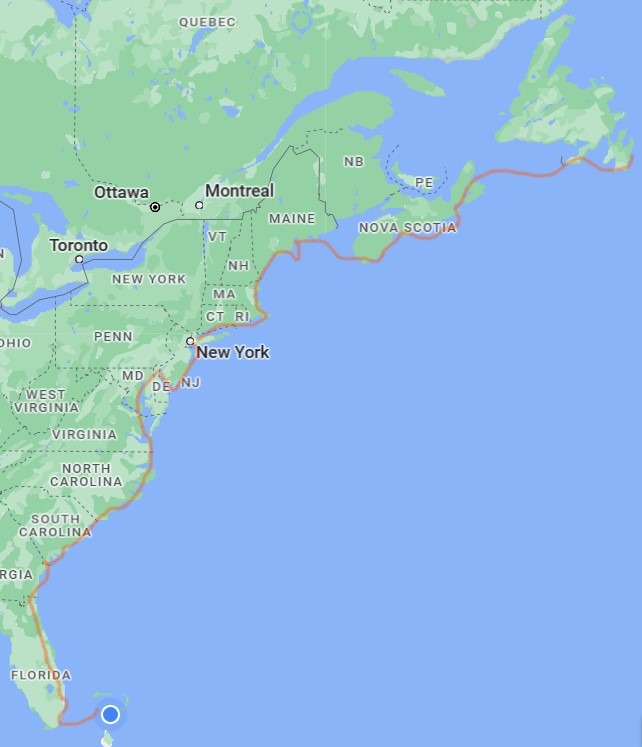
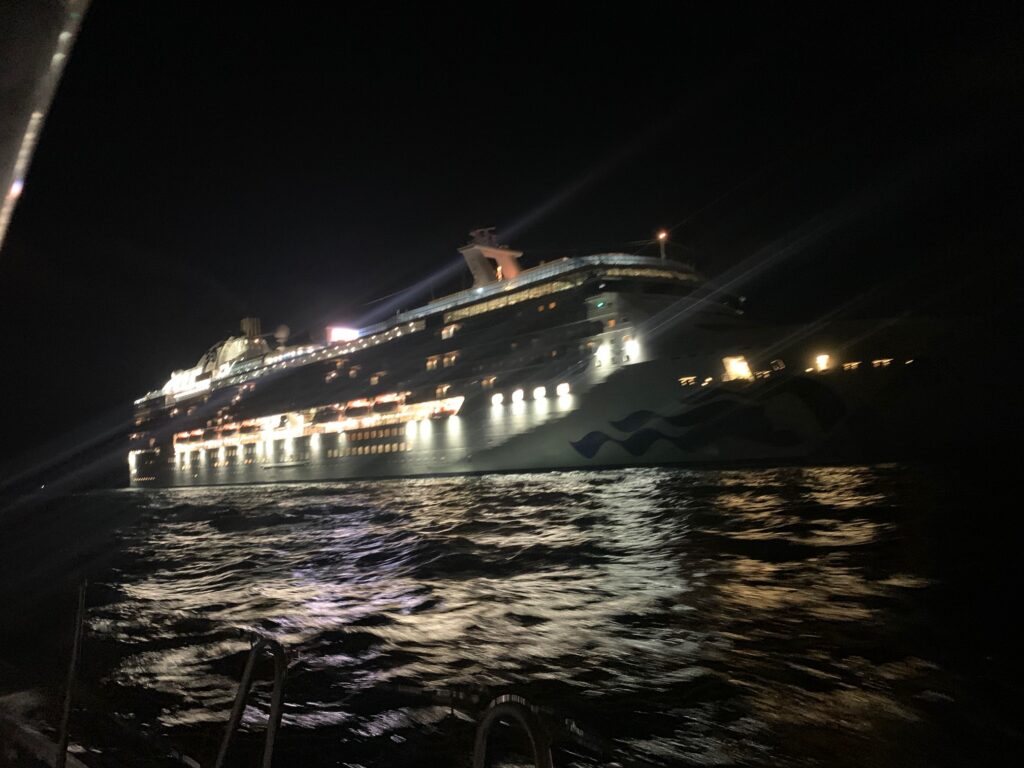
This year on Allen’s birthday, July 29, we resumed our sailing adventure from Conception Bay, Newfoundland, continued through the Canadian Maritime provinces, stopped in France (St. Pierre) for a few days, dodged lobster pots in New England’s waters, experienced Boston and New York like never before and eventually joined hundreds of sun-seeking cruising vessels heading south in the Intercoastal Waterway (ICW). After 5 months and nearly 3000 nautical miles, this chapter of our adventure has ended. On January 5, 4:30 am, the new chapter began as we raised the anchor in Lake Sylvia, Florida, waited for our last draw bridge opening and sailed through Port Everglades inlet into the open Atlantic Ocean with only the light of the stars and incoming cruise ships to show us the way (thank goodness for the chart plotter!).
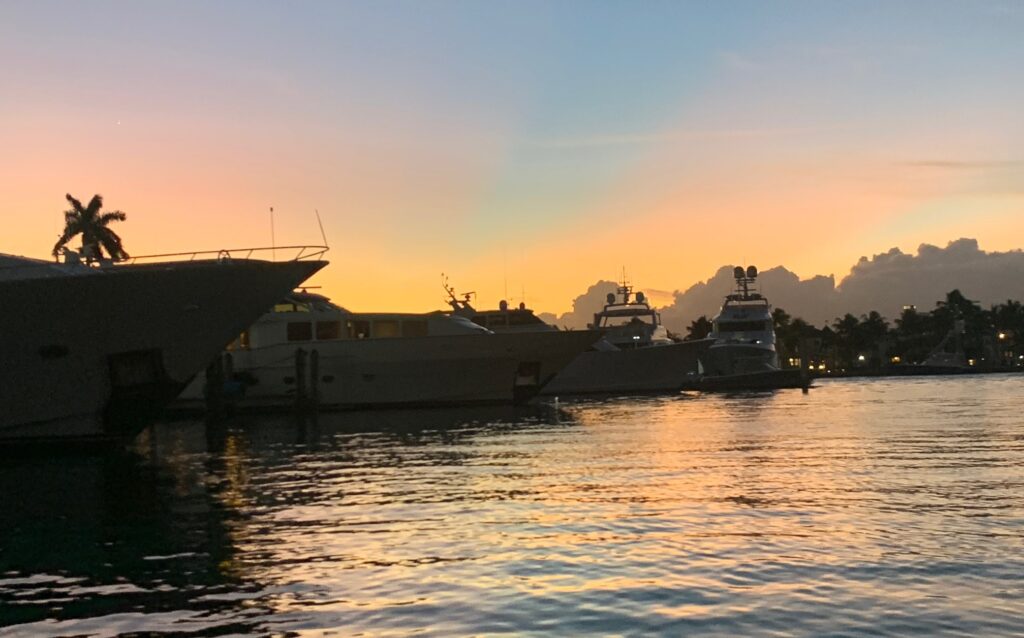
January 5, 4:30 am was not a random date and time, nor were Port Everglades, FL and West End, Grand Bahama Island randomly chosen departure and arrival points. All details of this journey were carefully chosen after days of consulting several wind and weather models. The western most Bahamas islands are only about 50 miles straight across from Ft Lauderdale, but when crossing an ocean and especially the Gulf Stream, you cannot sail straight to your destination.
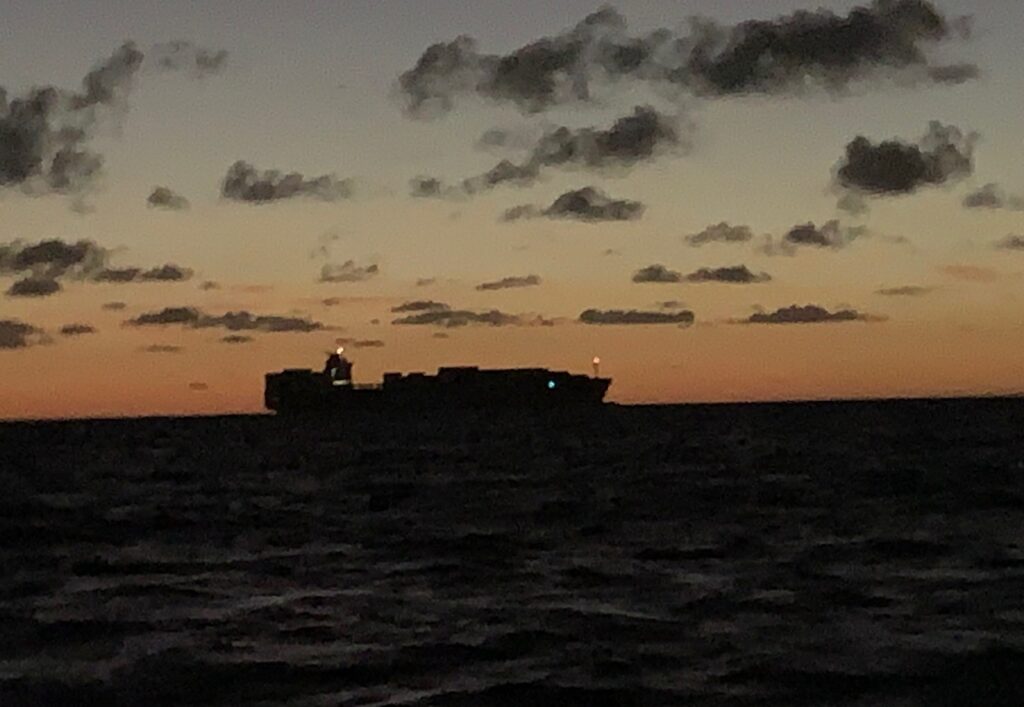
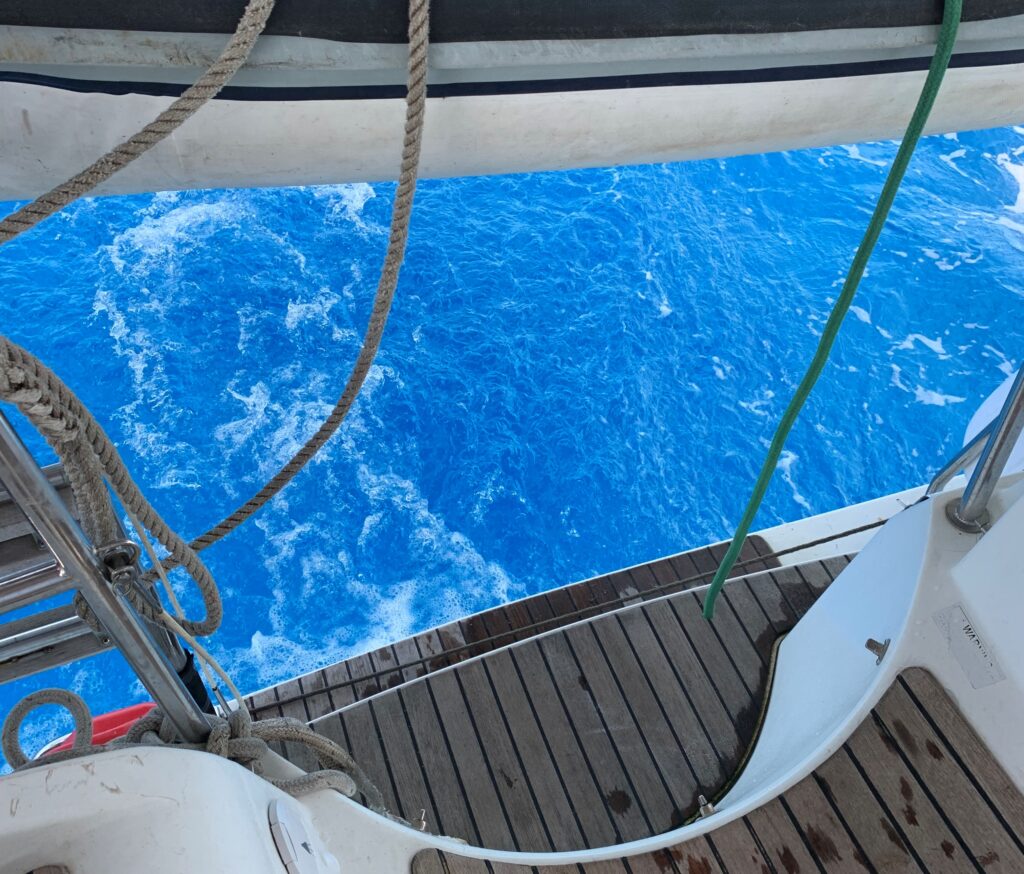
We’ve done several open ocean crossings, but have never crossed the Gulf Stream. The Gulf Stream is an intense, warm current that flows south to north, bringing warm water from the Gulf of Mexico along the US and Canadian coastlines and eventually flows to England. The Gulf Stream’s average speed is 4 miles an hour, but can be much faster, and its this velocity that make navigating so tricky.
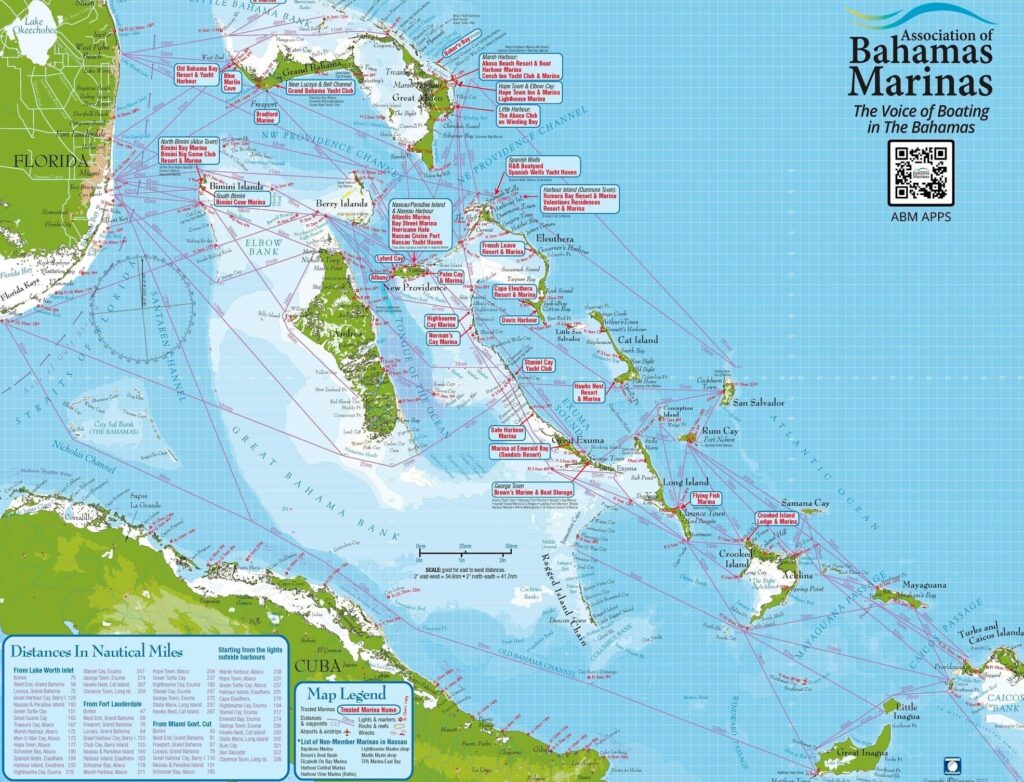
Rule 1: Select the best departure and arrival ports, knowing the current will take you north. We chose Ft Lauderdale as our departure point and West End, Grand Bahama as our landing point. Within a couple hours after leaving Port Everglades and entering the Gulf Stream, the waves picked-up, the air became noticeably warmer, and we were going max hull speed as the Gulf Stream took us north for about 20 miles to Grand Bahama Island. The ride was a bit bumpy, but we’ve had much worse and much colder crossings. We selected West End for another reason as well – access to Bahamian Customs and Immigration. The Bahamas have simplified things with an online Click 2 Clear process and all the “paperwork” can be done ahead of time, but the final step still requires the vessel’s captain to personally go into an office to check-in. West End has an office inside the marina, making check-in efficient and painless and our $300 cruising permit allows us to sail and fish in Bahamian waters for a year (the US could take some pointers from the Bahamas).
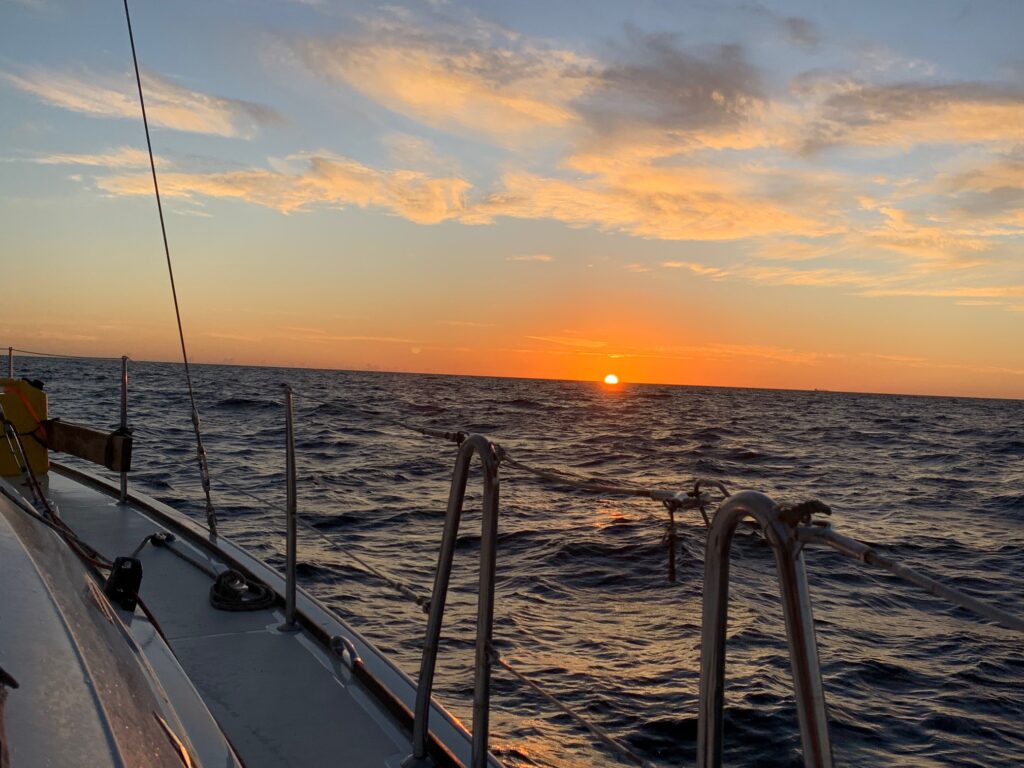
Rule 2: Check wind forecasts frequently, carefully with multiple sources and pick a date and time with NO north wind. If there is even a smidge of northern wind in the forecast, stay put because when cool north winds hit warm southern water moving exceptionally fast, dangerous wave conditions happen. We use several weather apps that use several different models, including Predict Wind, Windy as well as NOAA. These models don’t always agree, so we waited for a window when all models were showing southerly winds at the same time. You also want to avoid thunderstorms and rain, which can make the journey uncomfortable to treacherous.
Rule 3: Time your departure to arrive during daylight hours. I’ve mentioned several times in previous blogs, it’s never a good idea to enter unfamiliar harbours in the dark. This rule is even more important in the Bahamas as the sandy ocean bottom is prone to shift, constantly creating new sand bars. Navigation charts are good only for general guidance, and every experienced Bahamas boater knows they must depend on their eyes to read water’s color as the best indicator of depth and safe passage. We estimated our journey would take 11 hours, so we departed Florida at 4:30 am, putting us in the Bahamas marina mid-afternoon.
Of course, along with all this departure planning are the seemingly endless provisioning runs. Bahamas are notoriously expensive for anything except rum, and Customs is not concerned with provisions brought in for personal use, so the wise cruiser fills every inch of their boat with provisions that would be very difficult or very expensive to procure in the Bahamas. After several trips to Costco, Home Depot, Pet Smart, grocery stores, liquor stores, dollar stores, we managed to fill the boat with pasta, canned goods, coffee, cat food, beer, wine, bug spray, OTC medications, band-aids, laundry detergent…it’s a wonder we’re still floating!
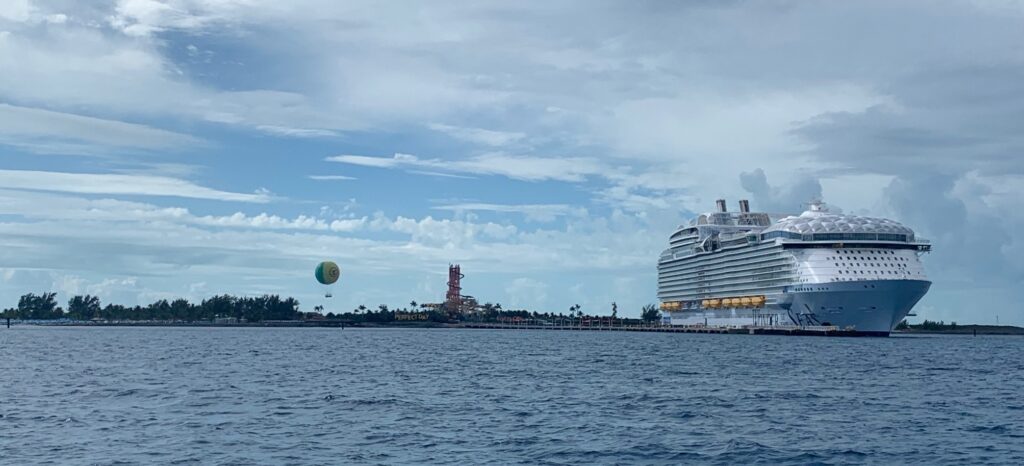
We’ve now been in the Bahamas for a week and have only moved a relatively short distance south. We spent our first night in Old Bahama Bay Marina in West End, a resort that used to cater to the rich & famous, but now is in need of some TLC. However, we were warmly welcomed and thrilled to tie-up to a sturdy dock after a long journey, and finally popped the bottle of French champagne that we’ve been carrying since St. Pierre.
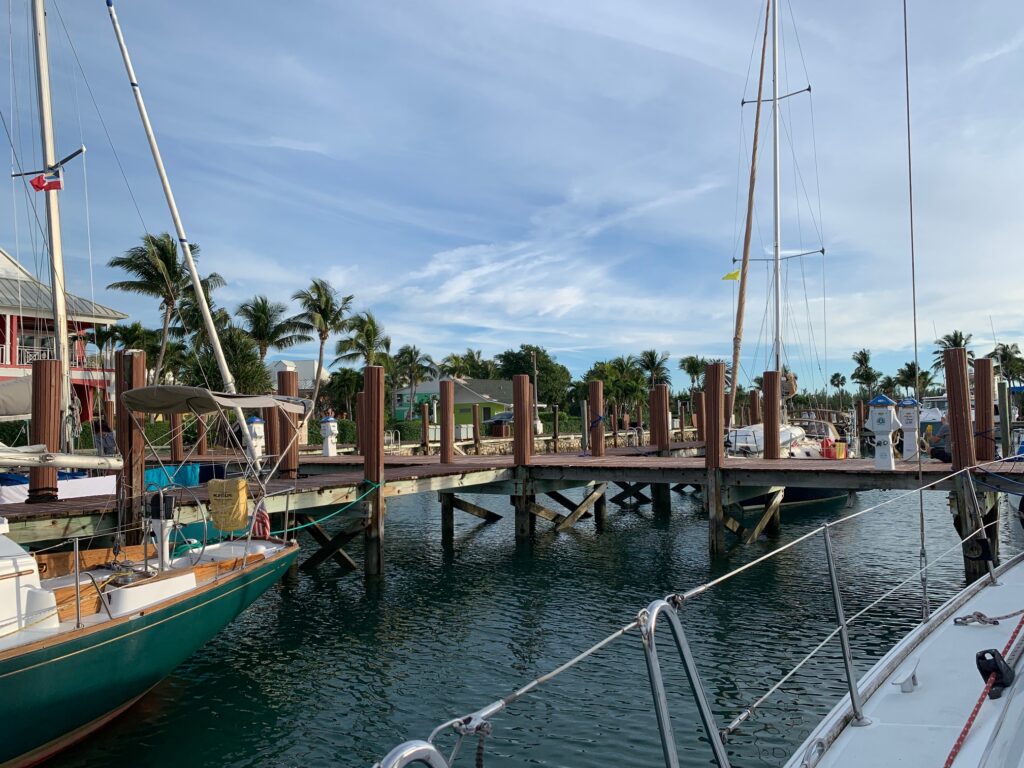
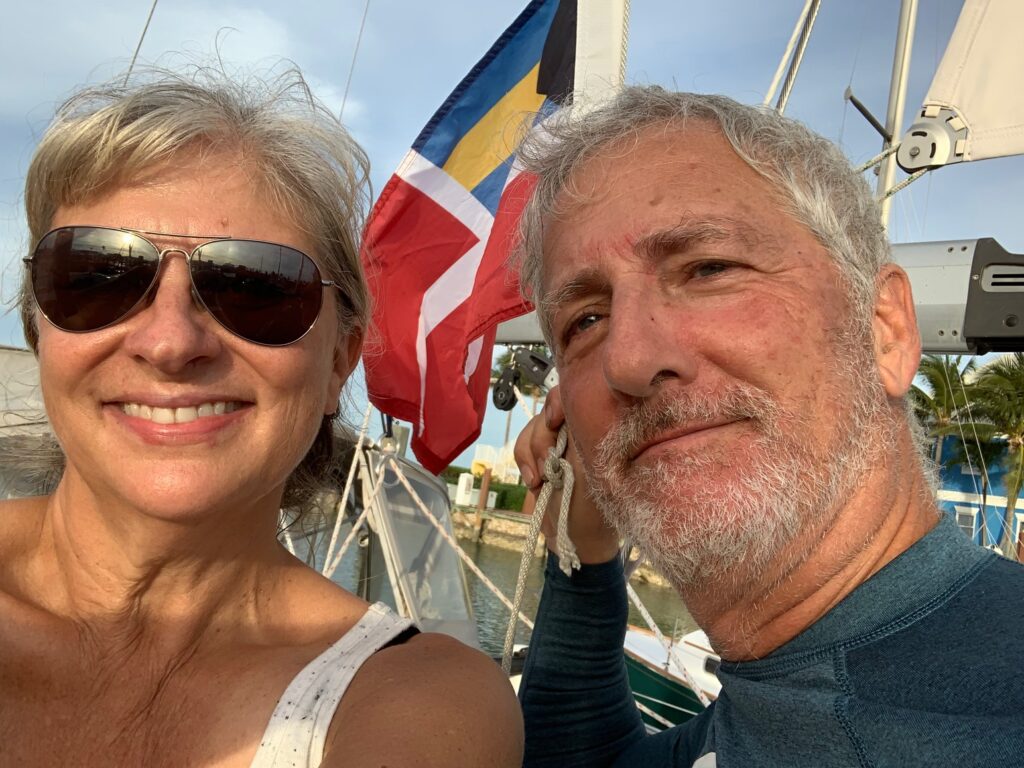
The next day we had planned to move along the northern shore of Grand Bahama to the Abacos chain of islands, but strong northerly winds and the narrow, shallow channel made the trek unfavorable, so we turned our bow south. We spent two nights in Lucaya, near Freeport, Grand Bahama, to enjoy a little down time before moving south again.
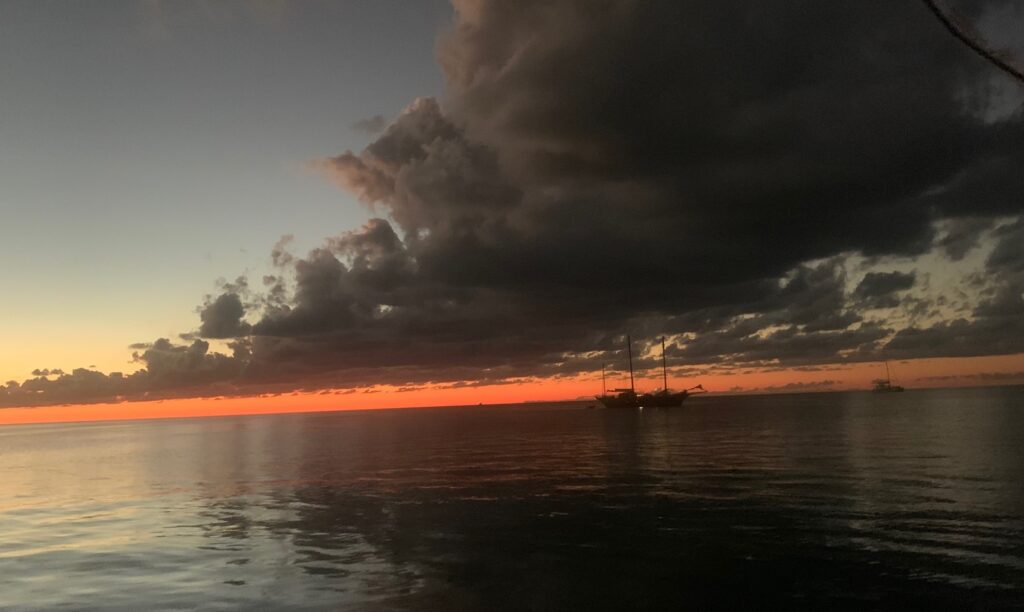
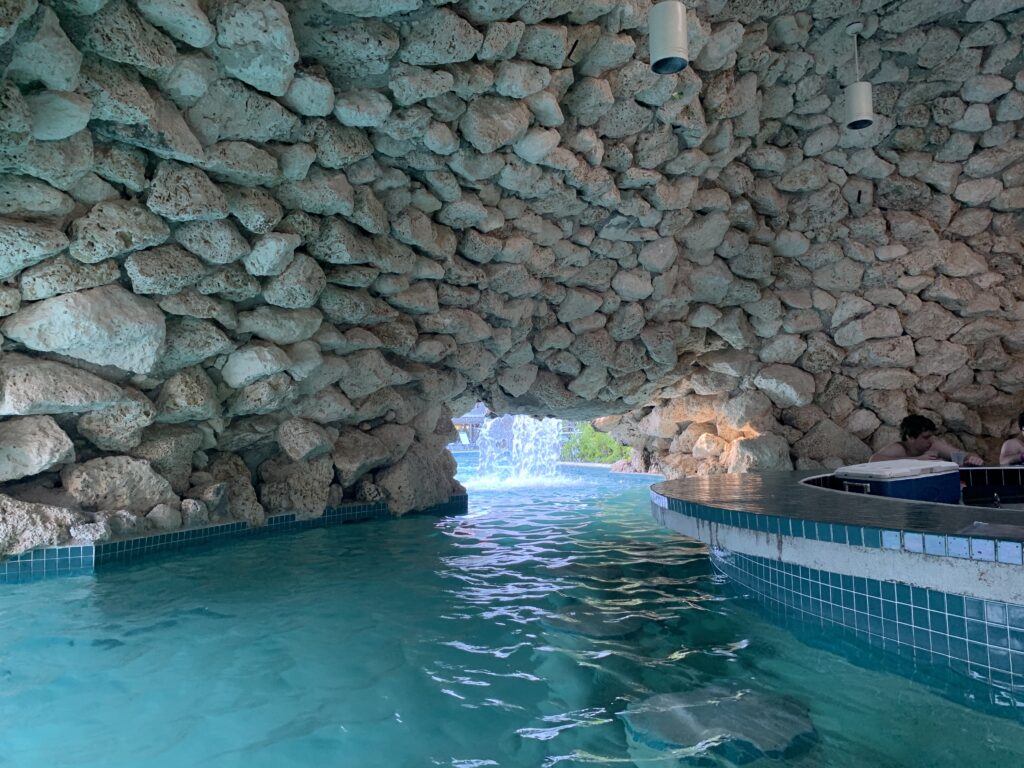
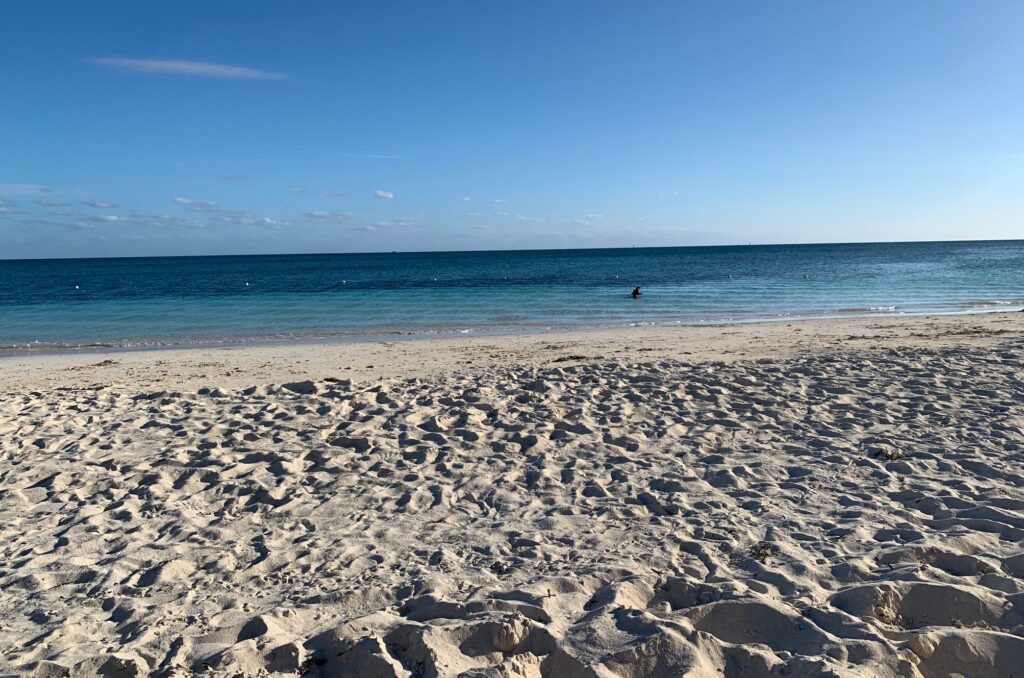
We are now in the Berries, a tiny chain of islands, north-west of New Providence (home of Nassau), barely a blip on the map. We are waiting out a nasty windstorm, inside a protected harbour, tied-up to another sturdy dock. Our observations, from our first week in the Bahamas are: 1) Yes, the water really is that blue and that clear! 2) Yes, the beaches are really beautiful! 3) The climate is nearly perfect – hot days and cool nights and 4) Everything is sooo expensive here!
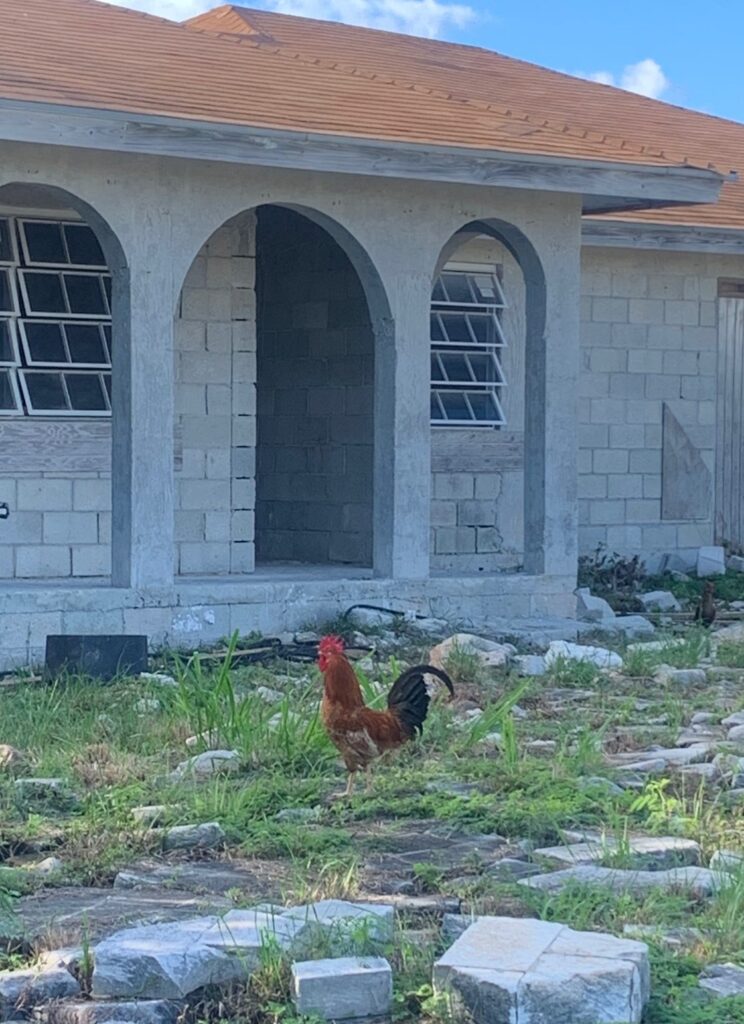
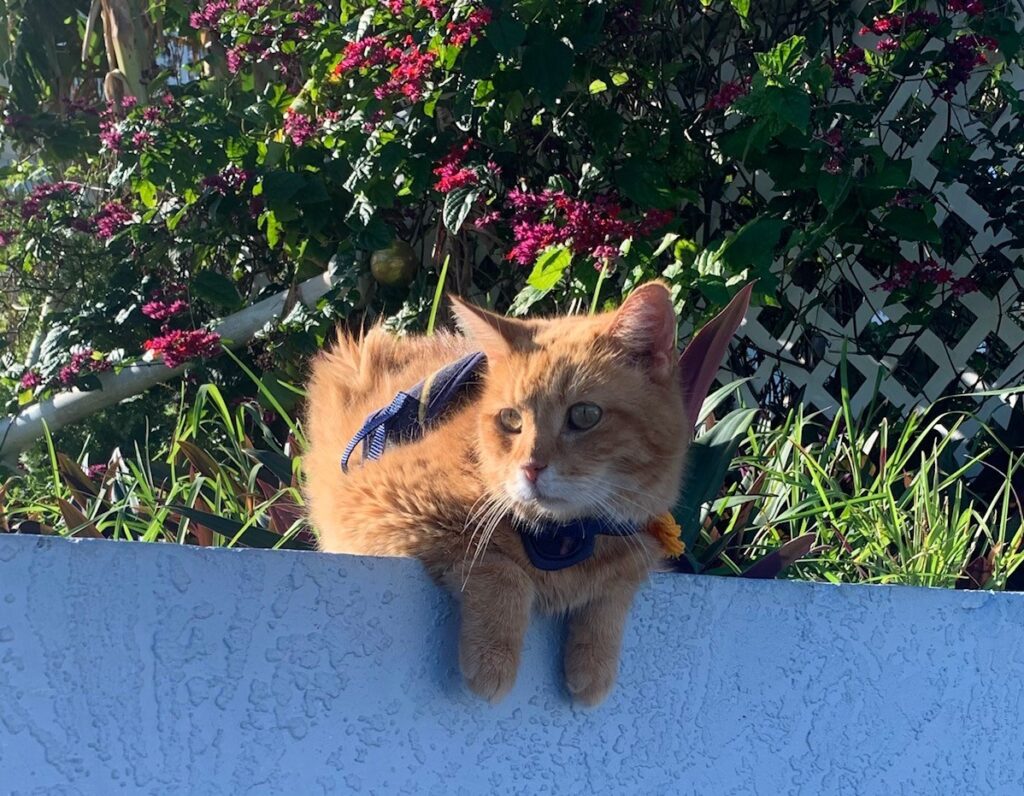
But we’re loving it…It’s Better in the Bahamas!
Sounds so inviting despite all of the skills required to get there. Living vicariously through your posts.
Looks gorgeous!!
Exceptional. So happy for you guys living the dream. <3
What is your ultimate destination?
Georgetown, then back north through Abacos and we’ll finish the season in May in St Augustine
Glad to here you are safe and sound and that your crossing was successful. Enjoy your Island …water life. Hope you enjoy fish it’s the cheapest thing in the island and free if caught off the back of your boat.
Things here a very cool, 42 degrees this morning but sunny lots of North blustery wind yesterday felt like we were home. Warming up mid next week.
Take care and his to you both. Naireen and Ian XXOO
Yayyyyy you did it!! Mazel Tov!! What an adventure <3
Yayyyy you did it!!! Mazel Tov! What an amazing adventure <3