
Last year we sailed from Toronto to Newfoundland, an 1800 km, 4-month journey down the mighty St. Lawrence River, across the Gulf of St Lawrence, into the Atlantic Ocean and eventually landed in Conception Bay, Newfoundland. We visited big cities, small towns and outports with less than 25 residents. We learned how to anchor with tides and katabatic winds, how to scramble up and down wharves and use fender boards. We experienced some of the best that Canada has to offer: fjords, whales, rolling hills, blueberry fields, Newfies, and even a bit of the worst, as we weathered Hurricane Larry. It was truly the best journey of our lives, and we couldn’t wait to continue our adventures this year.
This summer our adventures continue as we make our way south from Newfoundland, exploring more of the Canadian Maritimes and now that borders are open again, continue south down the US Eastern Seaboard eventually arriving in Florida and then the Bahamas. But before our sailing adventures could begin, we had some unfinished business with Newfoundland.
Last year we fell in love with The Rock, a small, magnificent province with its own time zone and needed to see more of it. Circumnavigating Newfoundland by sea would have taken us further into the North Atlantic Ocean than we wanted to go (it’s really cold and rough) and would have taken us the entire sailing season. So, during a blustery Toronto January, we hatched a brilliant plan – let’s drive to Newfoundland!
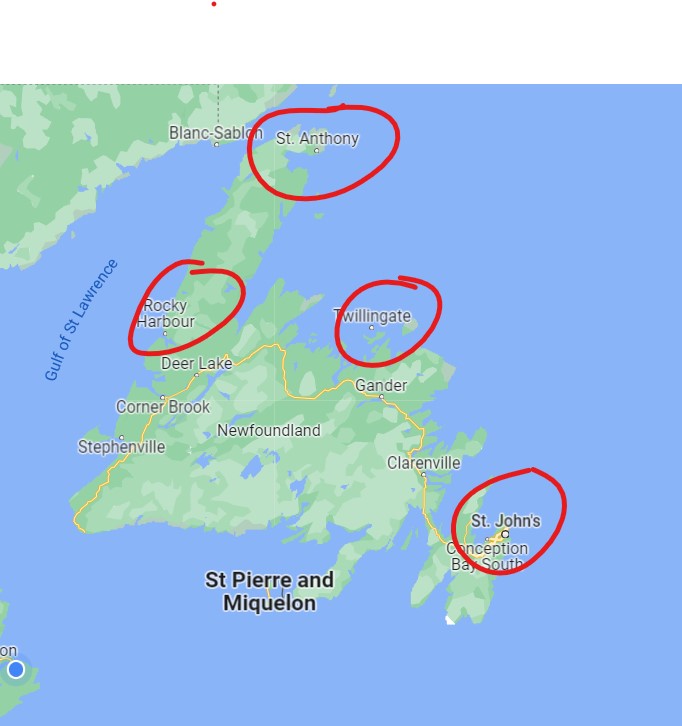
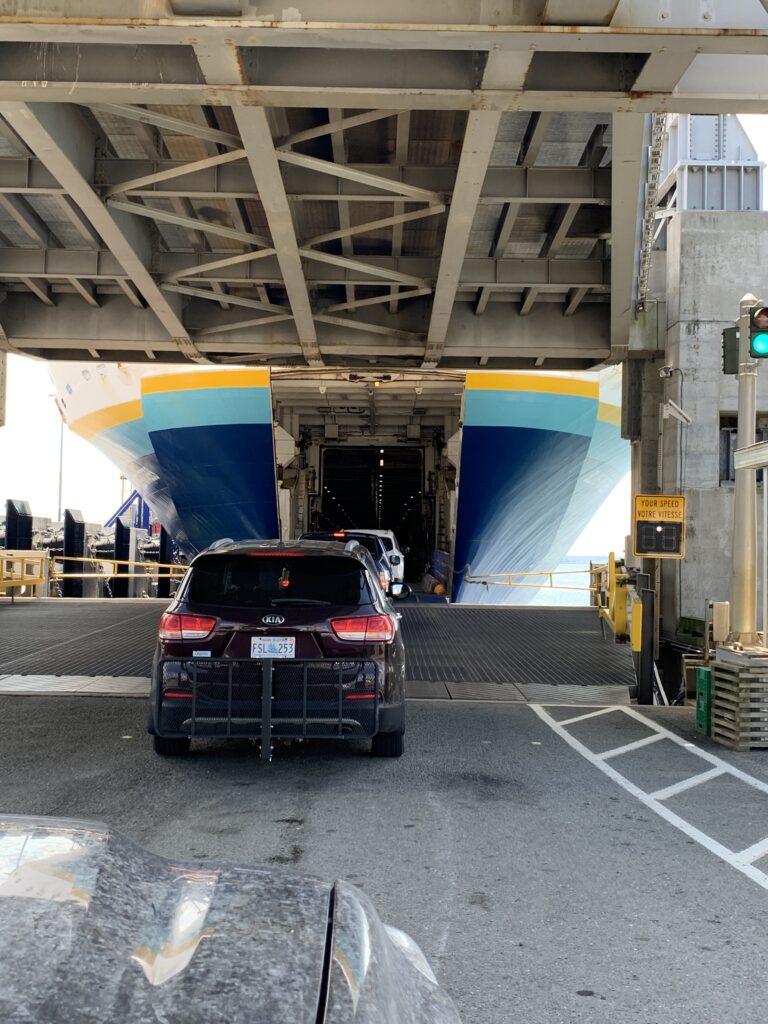
In early July we filled every inch of our pick-up truck with gear, tools, supplies and headed east. Three days and one ferry ride later, we arrived in Port aux Basques, NL, the same port we landed in last summer after a 25 hour crossing of the Gulf of St Lawrence. It felt almost as fantastic as it did last year!
We allowed ourselves two weeks vacation to tour the western and northern coasts of Newfoundland before heading to Conception Bay and begin preparing the boat for launch. Newfoundland winters are not kind to boats and Meshuggana sustained some damage and needed repairs; however, Allen has both the skills and tools to fix her up, but we needed to reduce our itinerary to meet our scheduled launch date.
Gros Morne National Park
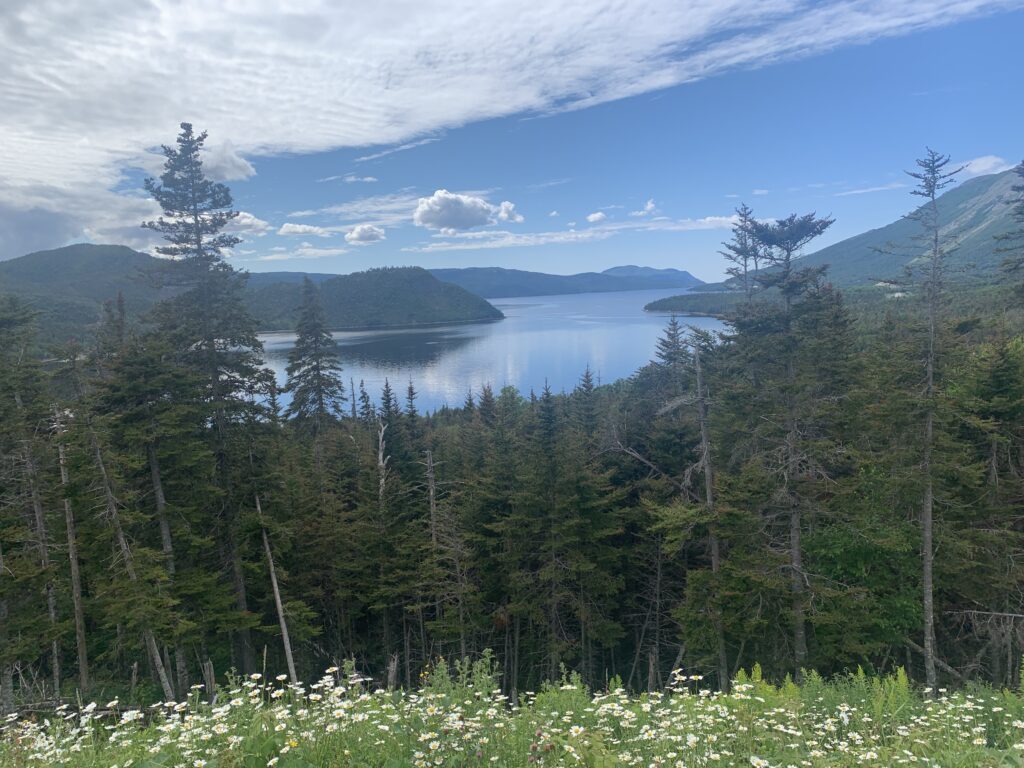
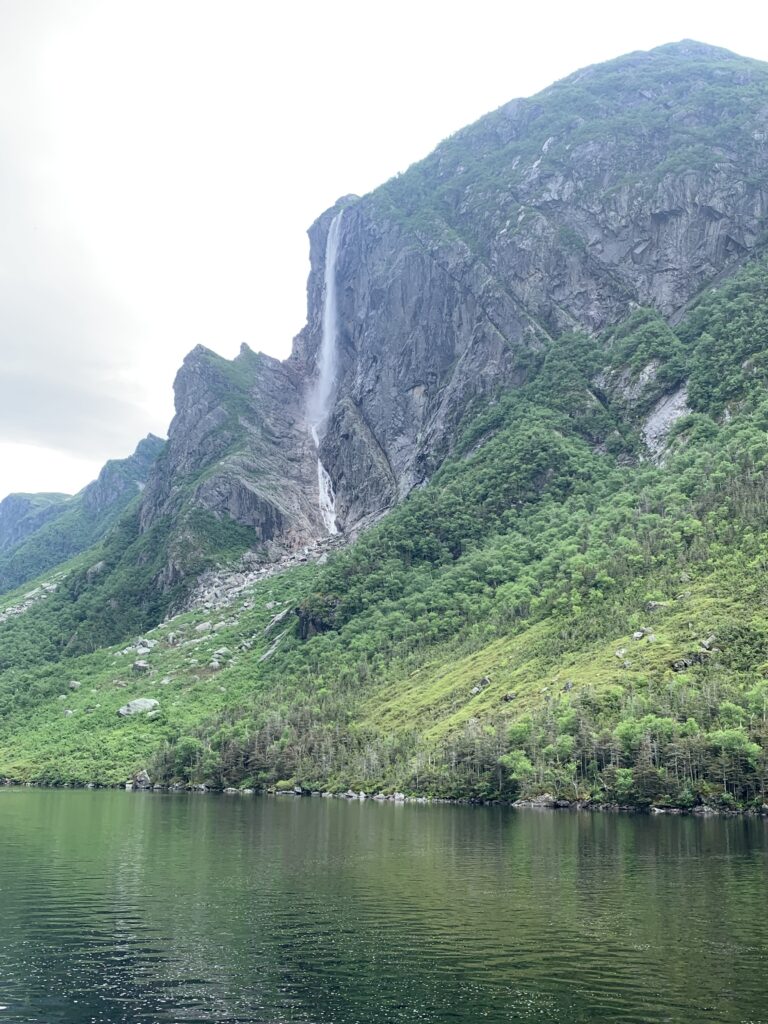
The three days we allotted to Gros Morne were barely enough to scratch the surface of what can be seen and done here. The park, a UNESCO World Heritage site, is located on the west coast of Newfoundland and covers 1805 square kilometers, and is best known for two unique features: The Tablelands and Western Brook Pond.
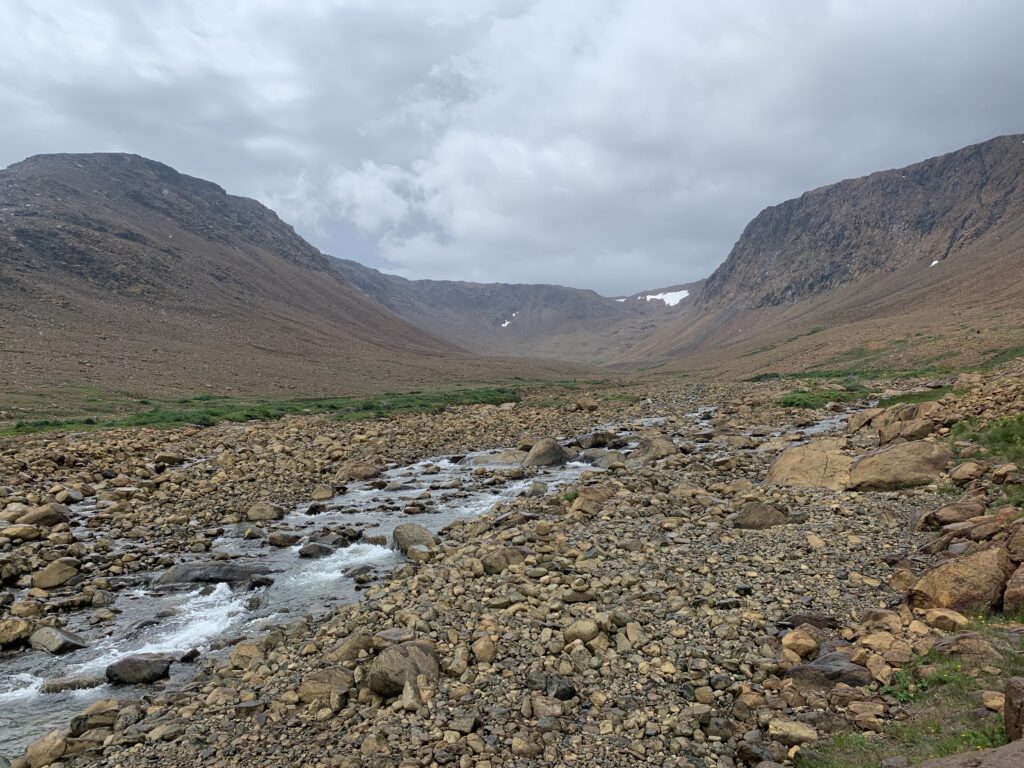
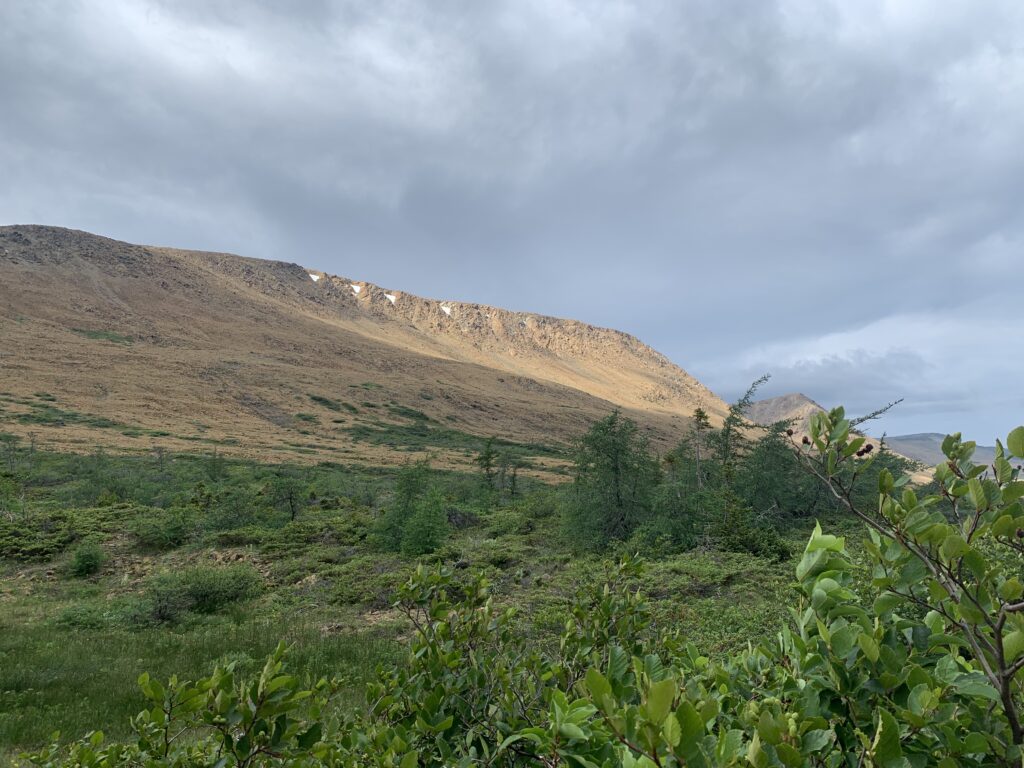
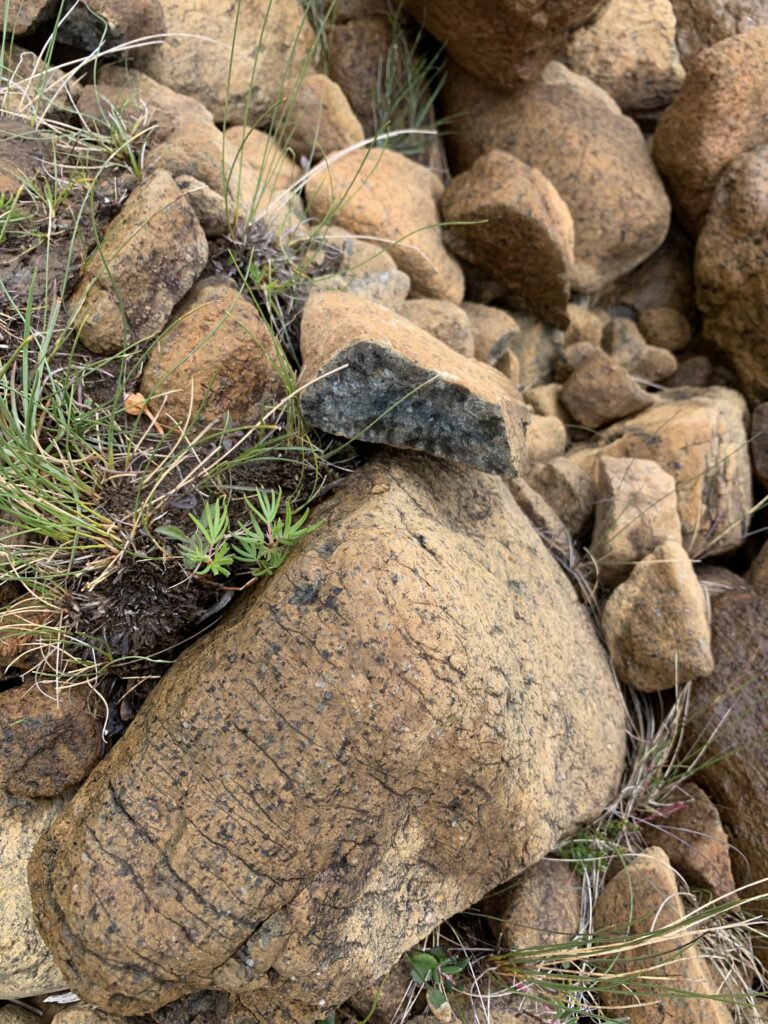
The Tablelands are one of about a dozen places on this planet where the Earth’s mantle is exposed, and it is here where the theory of plate tectonics was confirmed. Millions of years ago tectonic plates collided and pushed mantle rock up through the Earth’s crust, forming a mountain range of red-orange metallic rock. Thanks to the UNESCO designation, The Tablelands are the largest and best preserved locations of mantle rock. Fun fact – the Mars Explorer was test driven here before being sent to Mars.
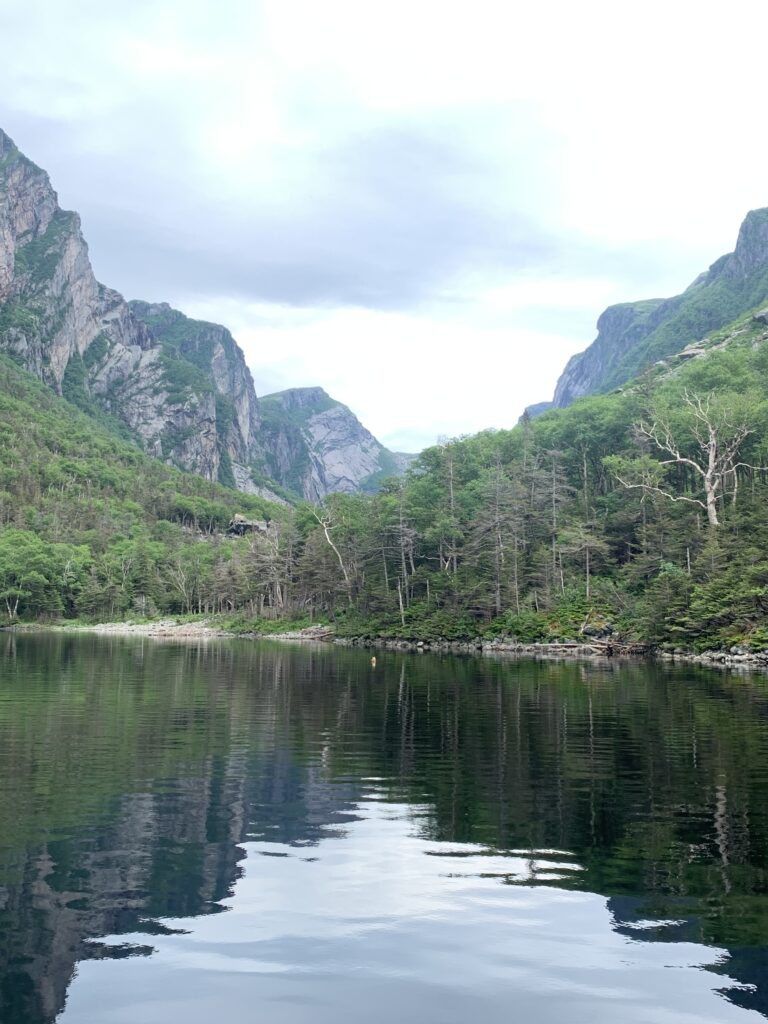
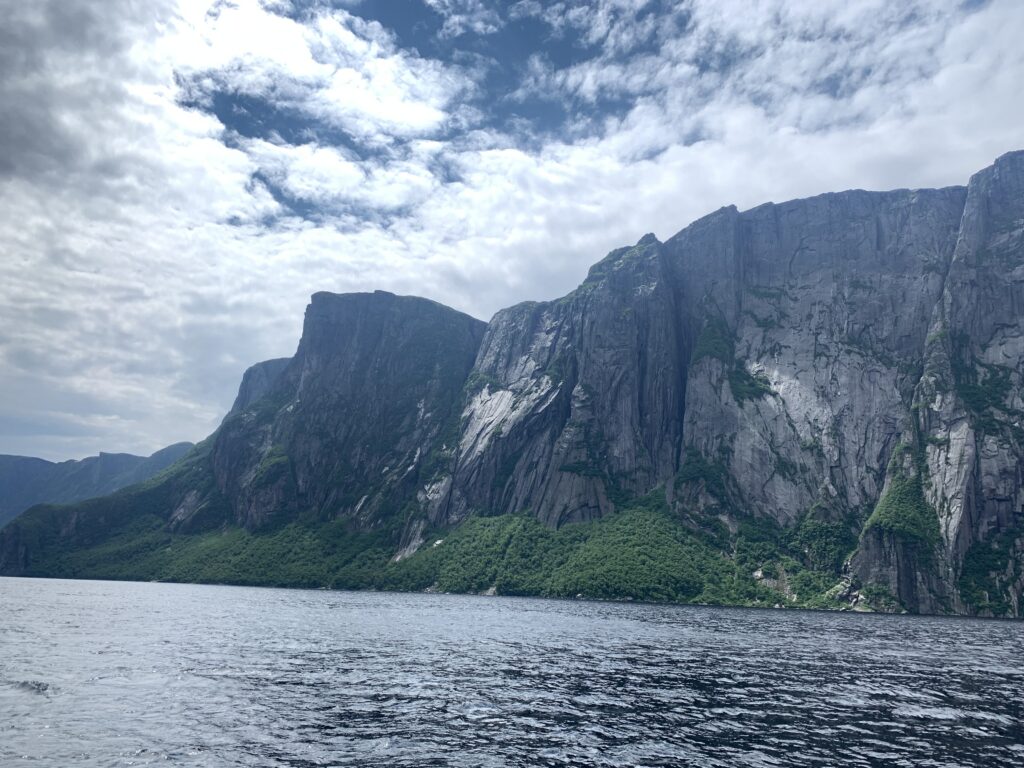
Western Brook Pond is a long lake surrounded by the soaring cliffs that make-up the most northern part of the Appalachian Mountains. The steep 2000-foot rock walls, carved by glaciers, are estimated to have been higher than the Himalayas at one time. Although Western Brook Pond is commonly called a fjord, technically it is no longer a fjord because 8000 years ago land filled-in and cut it off from the ocean, creating a freshwater pond (water in “real” fjords must be saltwater). The freshwater pond is fed by rain and snow melt from the mountains and the water is so pure it does not conduct electricity (no ions) and it takes approximately 15 years for the water to turn over.
St. Anthony and L’Anse aux Meadows
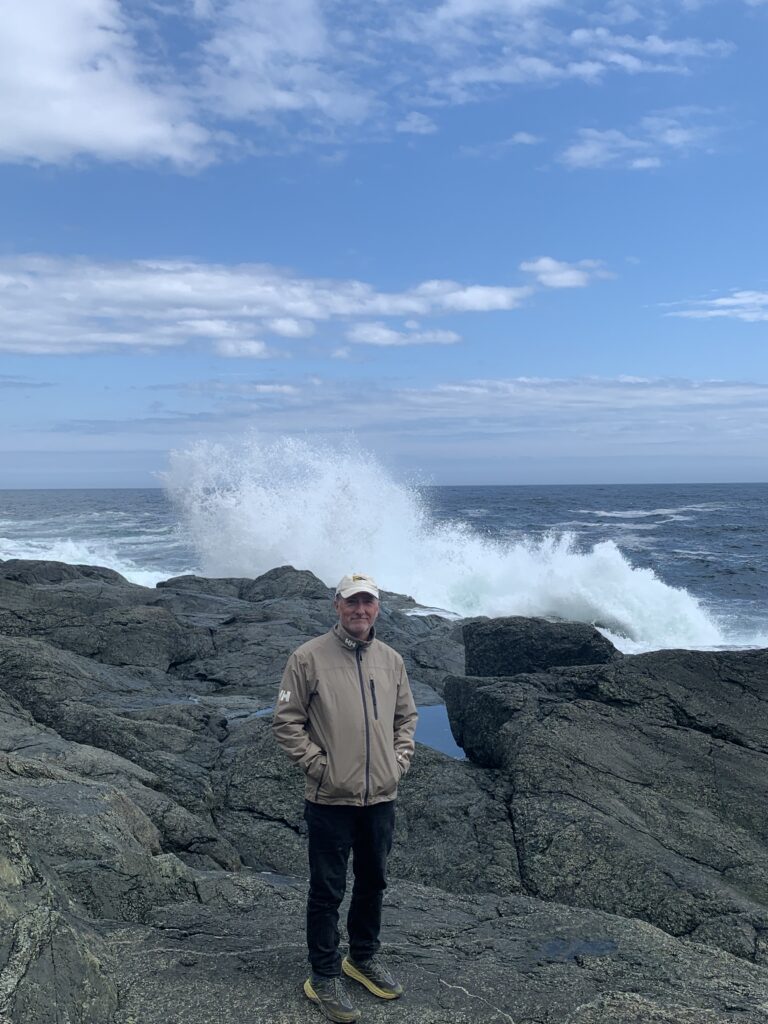
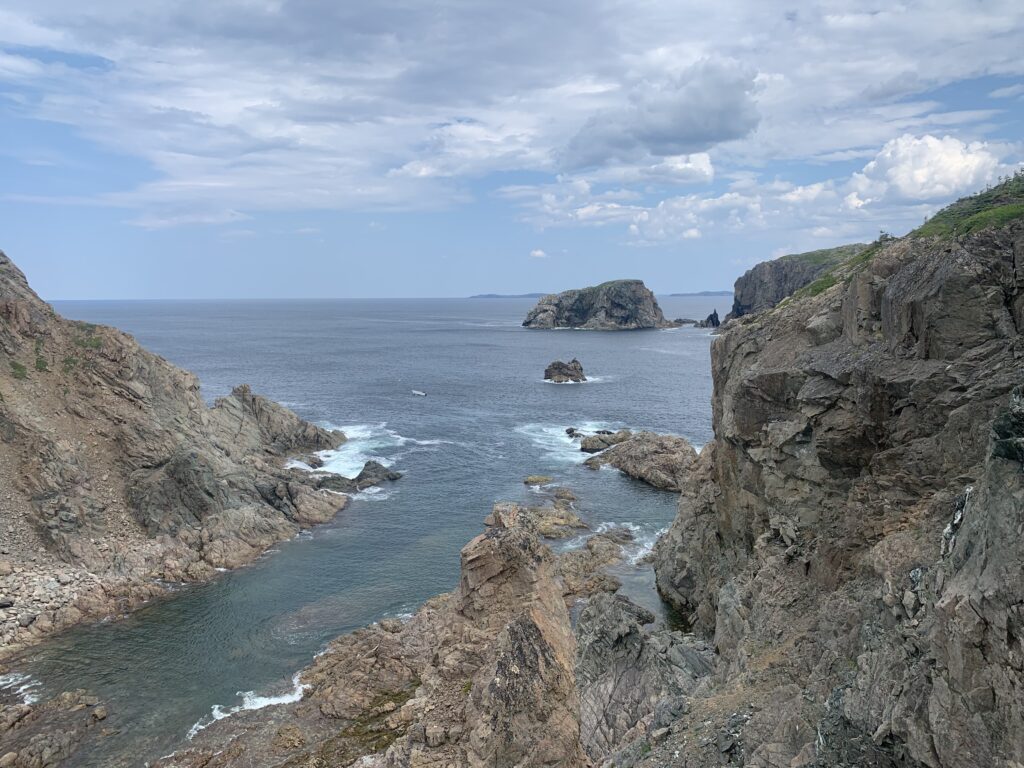
You can find St. Anthony after a 5-hour drive straight north from Gros Morne, along the rocky shoreline. There is only one road that goes there and until the 1960’s, this part of the province had to rely on dog-sleds to deliver their mail in the winter. The area is breath-taking – rocky cliffs with very cold-looking Atlantic waves crashing the shoreline and dense pine forests.
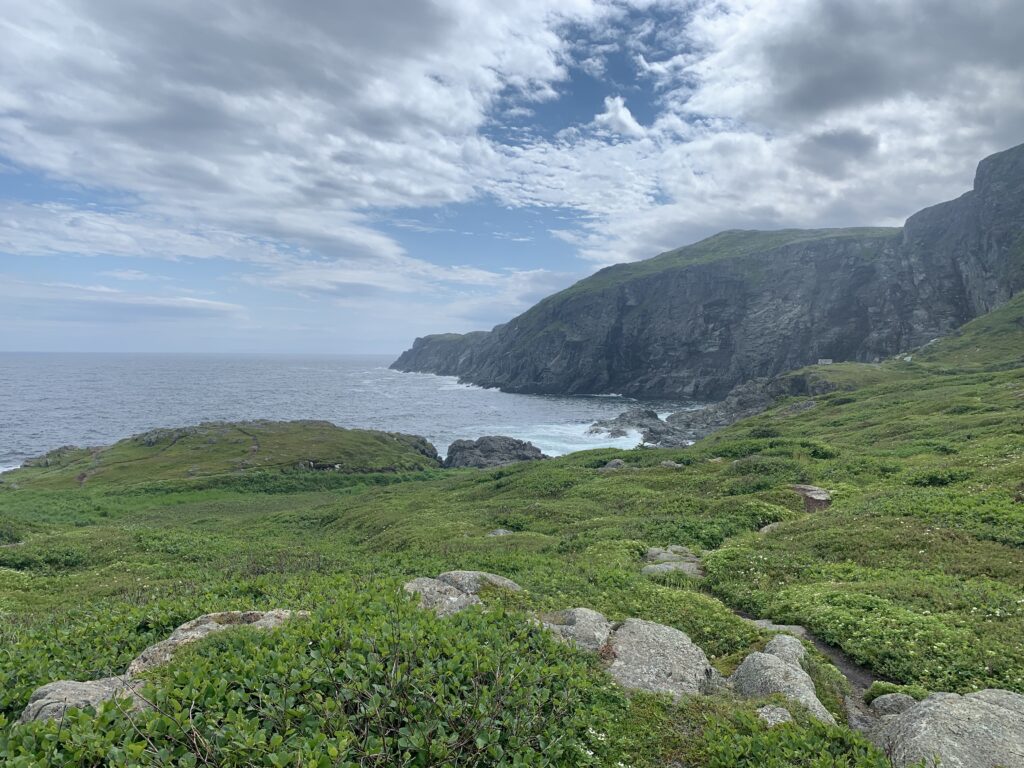
A 20-minute drive from the town of St Anthony, is L’Anse aux Meadows, the location of the first authenticated Viking settlement in North America and the very first site designated as a UNESCO World Heritage Site.
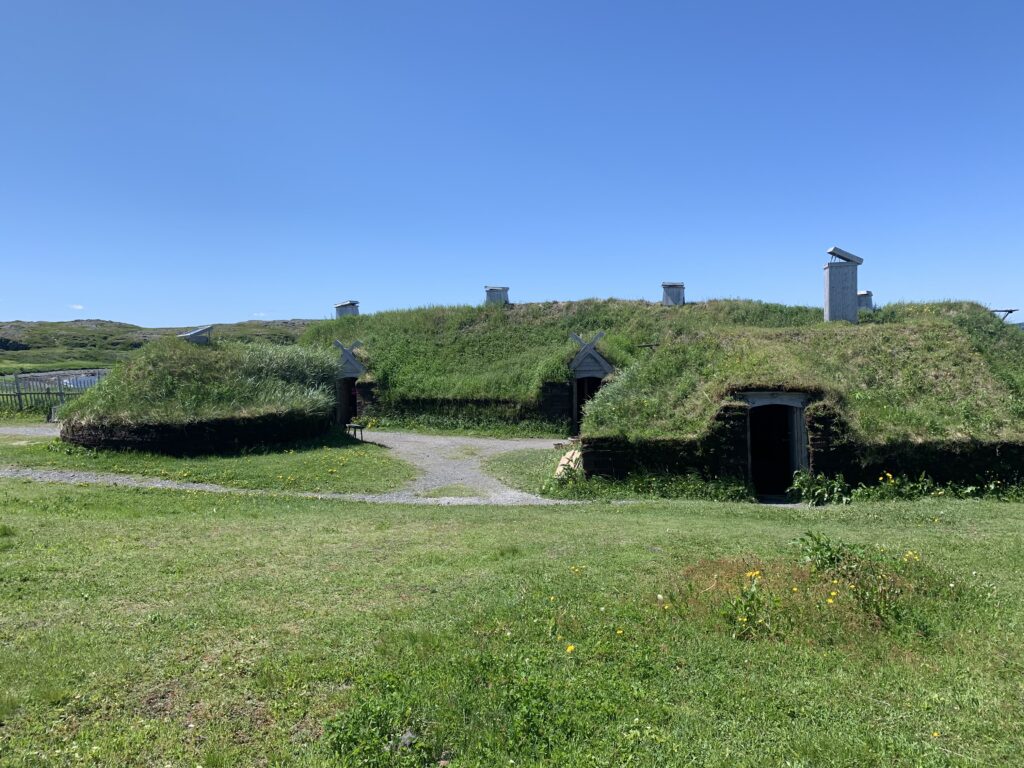
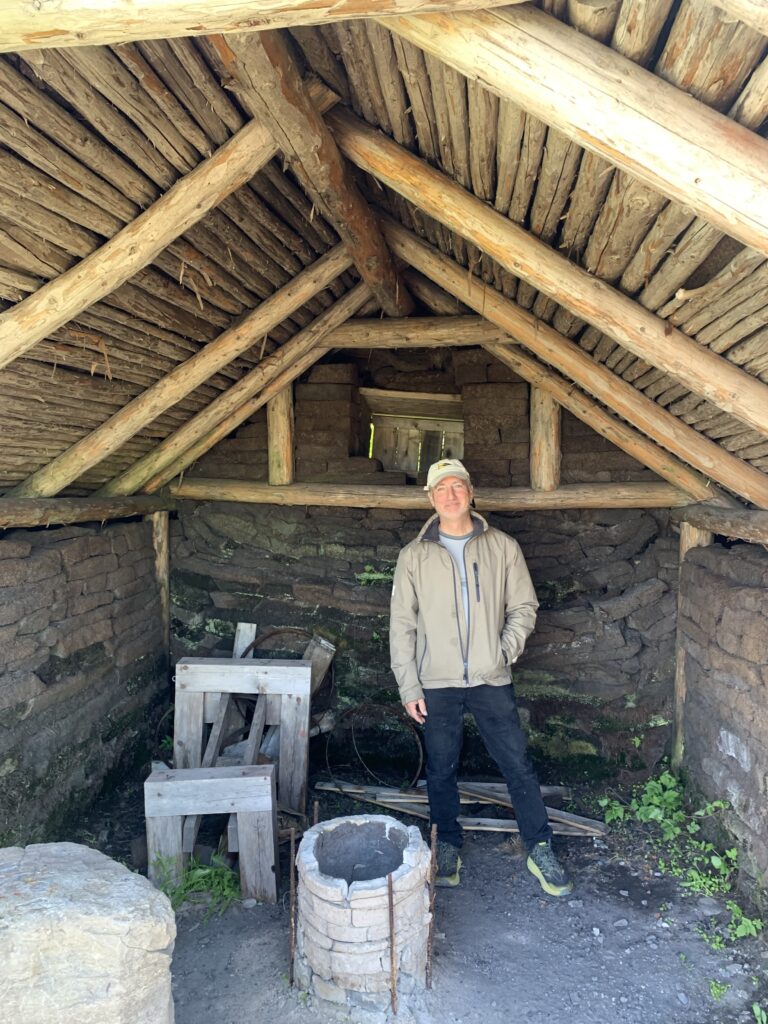
Vikings lived here approximately 1000 years ago and was likely a basecamp for Norse exploration of North America. Evidence shows they interacted peacefully with indigenous peoples, engaging in trade. The Norse brought with them iron and bronze weapons and tools and built forges to work with metals; however, it appears they never offered metal objects for trade. They remained for about 20 years before packing-up their valuables, including the bones of their dead, and then torched the buildings as they left in their boats.
Twillingate
Twillingate, on the northern shore of Newfoundland, offers spectacular hiking along rugged coastlines, up and down mountainous cliffs, through beaches and forests. We laughed that Newfoundland does not baby their hikers as most trails are barely marked and if it was described as “moderate”, be prepared to do some rock climbing. Hiking boots, sunscreen, water bottles and snacks are a must because most hikes are several kilometers (and hours) long. An added bonus to our hikes was free whale watching – we saw many Humpbacks and a pod of Orcas from shore. Our 3 days in Twillingate were among the best ever.
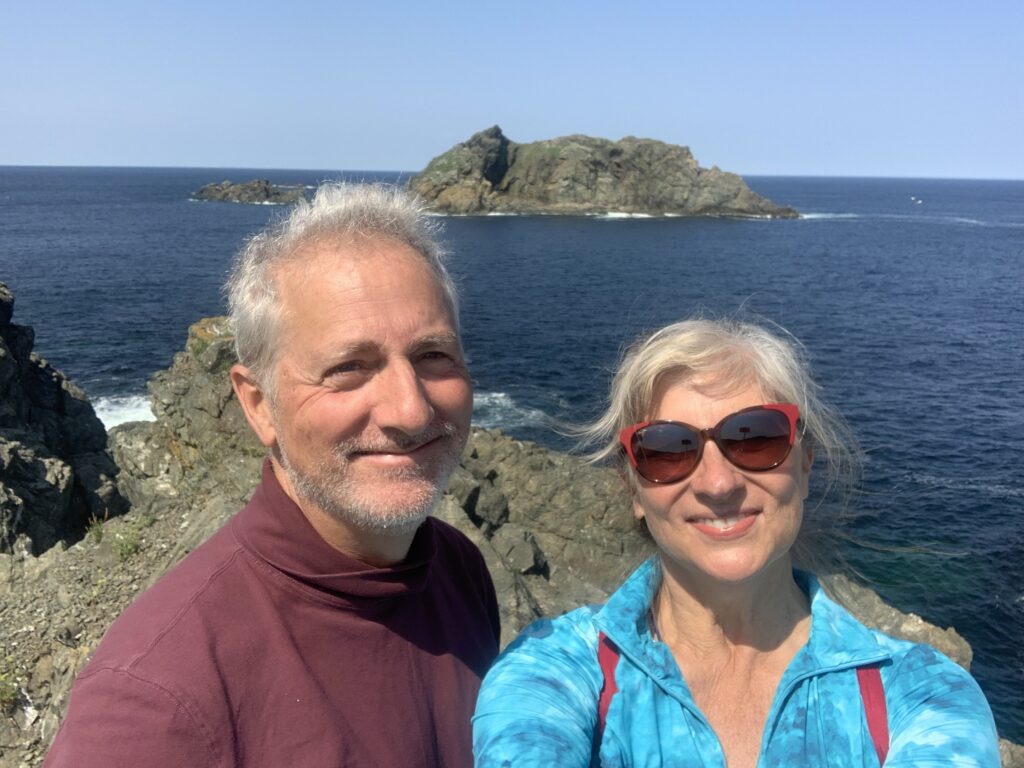
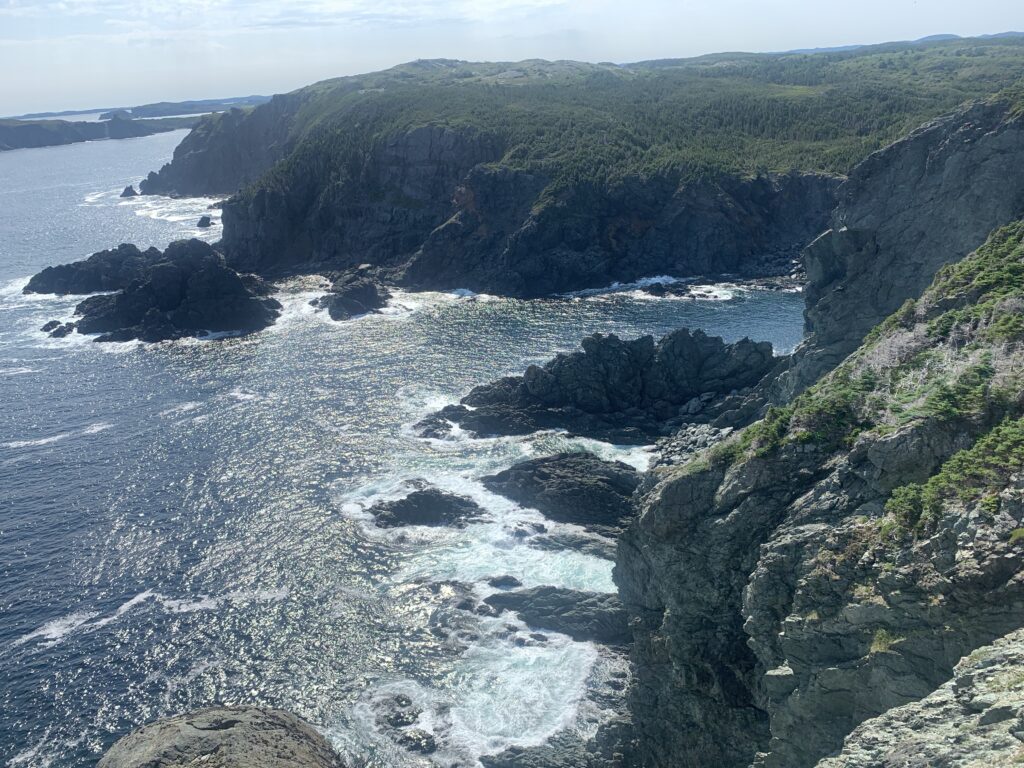
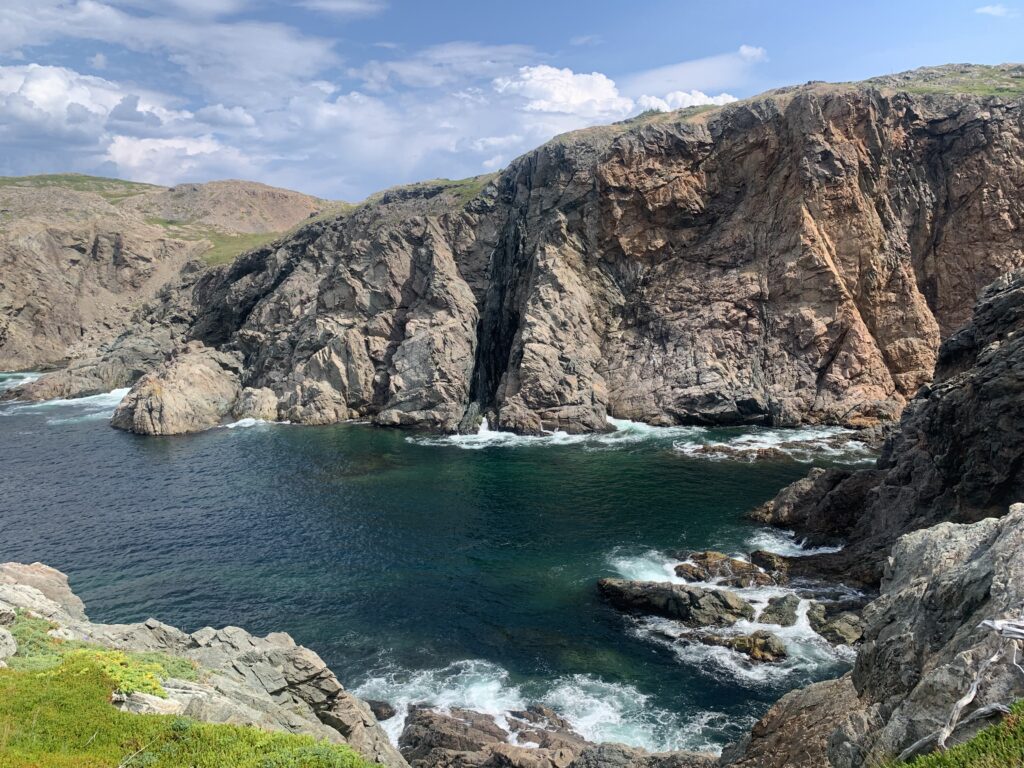
After putting on nearly 2500 km, we concluded our Newfoundland vacation in Conception Bay and began work on Meshuggana. We spent long days cleaning, painting, sanding in unseasonably hot weather and after a week, she “splashed” and a new sailing season has begun.
Silvia,
Thanks for the incredible account and pictures of your adventures that really bring NFLD to life! I love the historical info that puts it all in context.
Hey Hazel – it was great having you and Dan join us for part of our adventure!
Looks so beautiful!! I didn’t know Newfoundland had tablelands! Amazing journey 🙂 stay safe!