
Newfoundland, The Rock, is a special place. After 21-hours at sea, crossing the Gulf of St Lawrence from the Îles de la Madeleine, the rocky coastline of Newfoundland was a welcome sight…I wish! We arrived in Port aux Basques, Newfoundland at 9pm, in a thick, dense fog, the rocky cliffs not visible until we were nearly upon them (have I said how much I appreciate our radar?). We were, however, greeted by a very welcome sound – a foghorn. At first it was a bit eerie, a spooky sound reverberating through the fog, but as we got closer and the lighthouse (the source of the foghorn) came into view, I felt a great weight was lifted off – we had arrived in a safe harbour.
Newfoundland – pronounced “new-fund-LAND” – is affectionally referred to as The Rock for obvious reasons – the entire province is a giant rock. This rock is the easterly most part of North America and is where the survivors (and victims) of the Titanic were brought. The city of Gander is the setting of the Broadway hit “Come from Away”, the story of how the people of this town helped the thousands of air passengers diverted here on 9/11. We won’t make it to Gander on this trip as it’s an inland city, but maybe some other time.
Back to our journey…
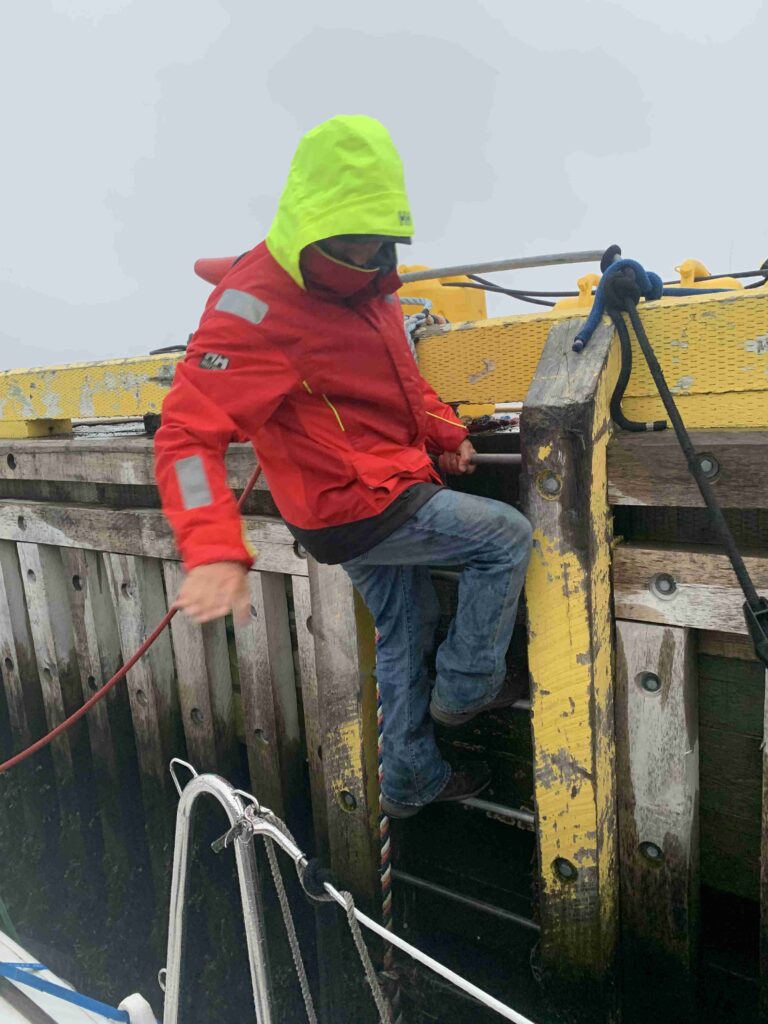
The fog began to lift as we passed the lighthouse, revealing the enormous Port aux Basques harbour. To the right we saw the large commercial port, with the ferry at the dock. The ferry was gigantic, as long as a cargo freighter and several stories high, so we turned left to find a wharf and some smaller docks, but the area was not well lit. As we circled looking for a good place to dock, a voice called out directing us to a spot on the wharf, near another sailboat and a commercial fishing boat. The voice belonged to Jeff, who just happened to be on the docks enjoying a cool, drizzly evening, who then helped us tie-up, gave us information about local restaurants, grocery stores and even offered to give us a lift to the gas station to fill our jerry cans. We soon discovered that Jeff was a typical “Newfie”, kind, friendly and willing to help a stranger, not expecting anything in return. Newfoundlanders are truly the nicest people in Canada, maybe even the world.
Port aux Basques is not a particularly pretty or exciting town, but it has everything we needed – internet/cell signal, grocery store, drug store, a bank, a couple hardware stores and restaurants. We spent two rainy days there, but were able to refuel, reprovision and recharge our own batteries. We were ready to explore the southern coast of Newfoundland, sparsely populated, but stunningly beautiful.
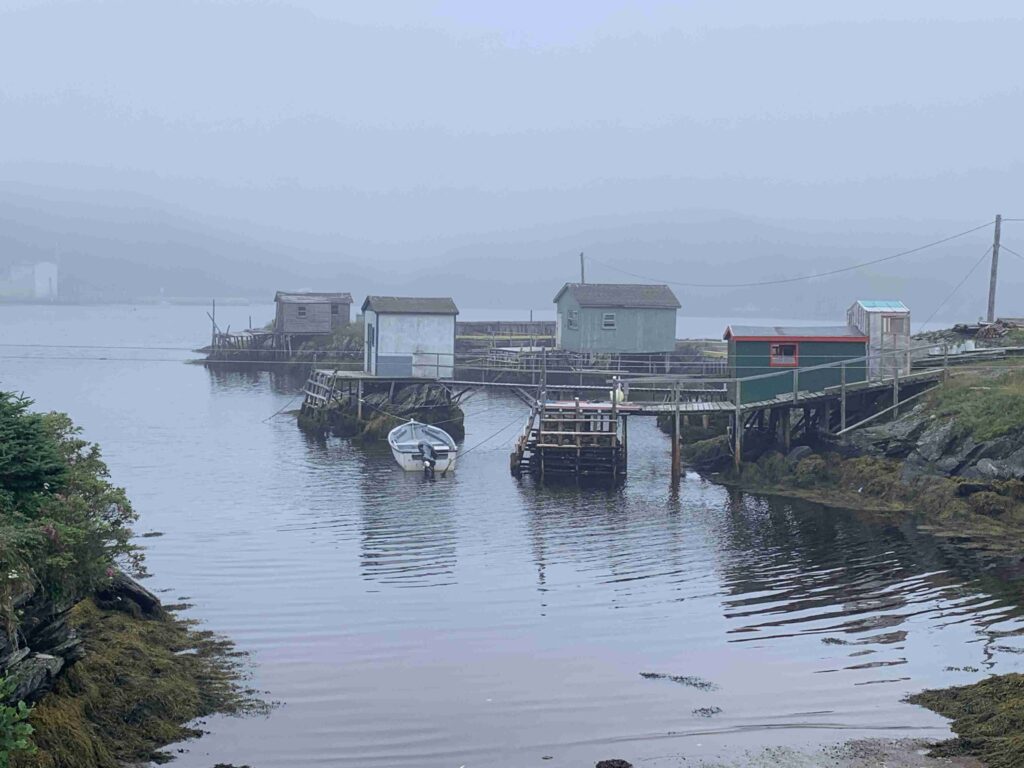
The small villages on the southern coast are called Outposts. Some are accessible by road, but many are not and rely on a daily coastal ferry to reach the rest of the world. They are fishing villages that used to be vibrant communities with shops, schools, churches and hundreds of residents. After the cod fish industry collapsed in 1992, these towns became a mere shadow of what they once were. Populations plummeted as people moved away to find work because even before the full collapse, the fishing industry was rapidly declining. Starting in the 1950’s the Newfoundland government began a controversial resettlement program, where the government bought all the houses in the village, cut off all services and the residents moved away. Some people simply abandoned their homes, others actually took them with them and towed them across the water. In recent years former residents have begun returning and using their former homes as summer cottages and relying on solar, wind or generators for electricity.
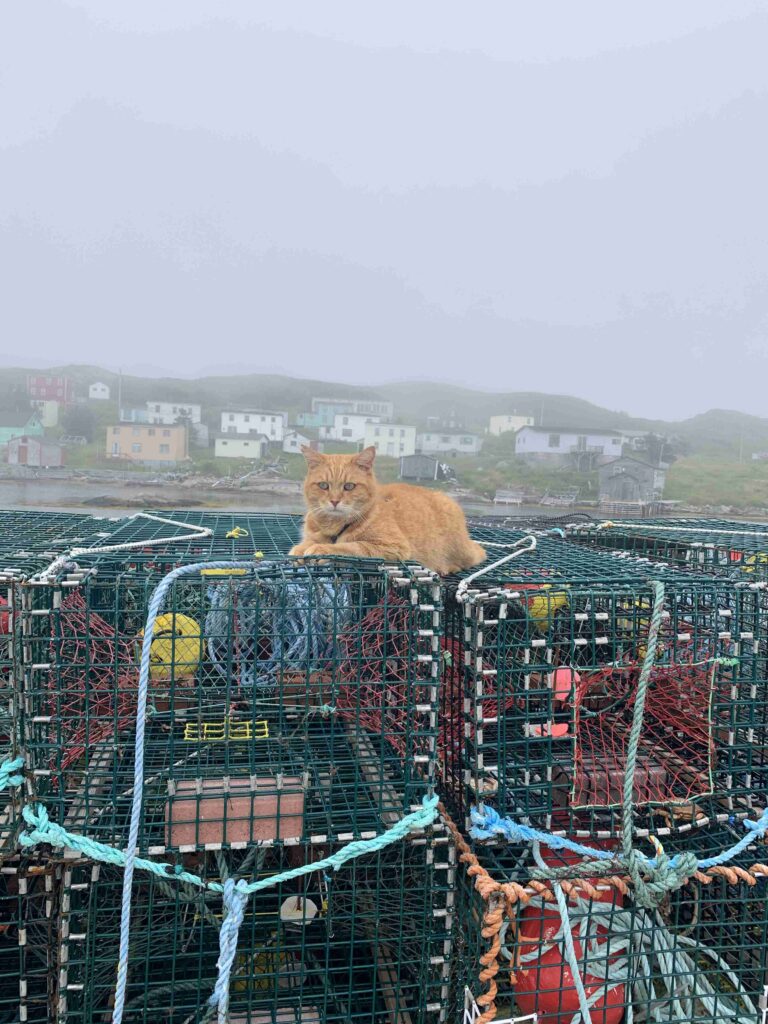
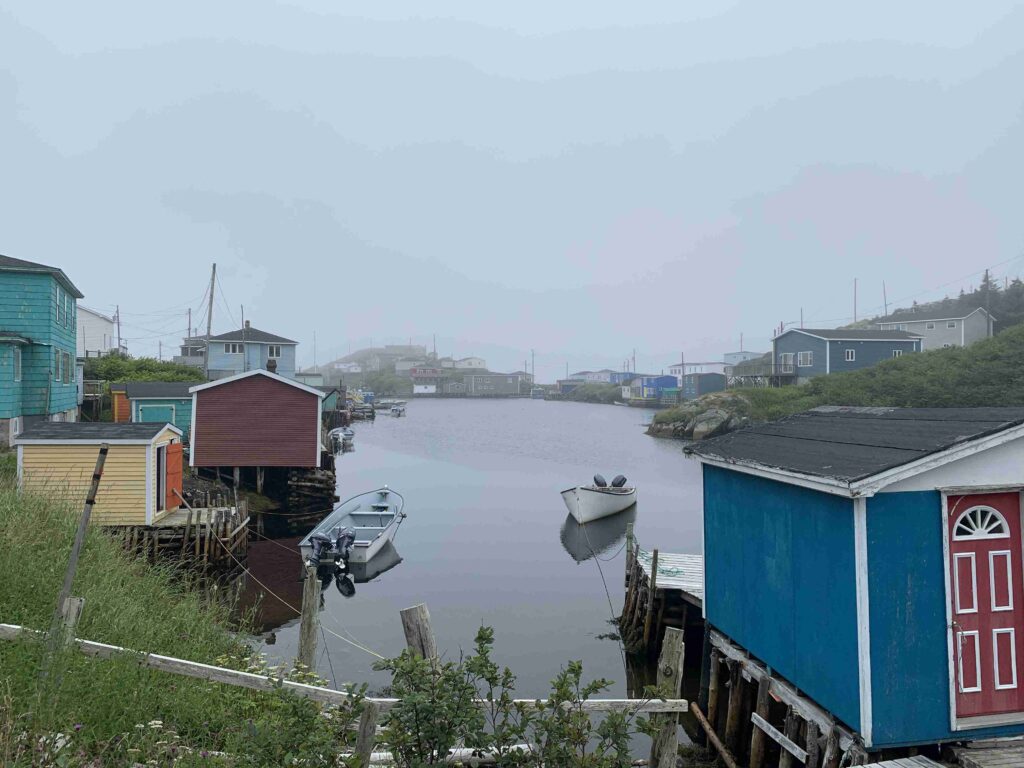
Rose Blanche was our first outpost, but it is not a resettled community and still has residents. We arrived in the narrow harbour, nestled between steep mountain slopes and found the public wharf to have several fishing boats tied-up. We were met with an unnerving silence although the nearby homes had laundry drying on the line and cars in driveways. As we were maneuvering between two docked boats, a pick-up truck pulled up to the dock, a man jumped out and took our lines, helped us tie-up and just left – another example of Newfoundland hospitality.
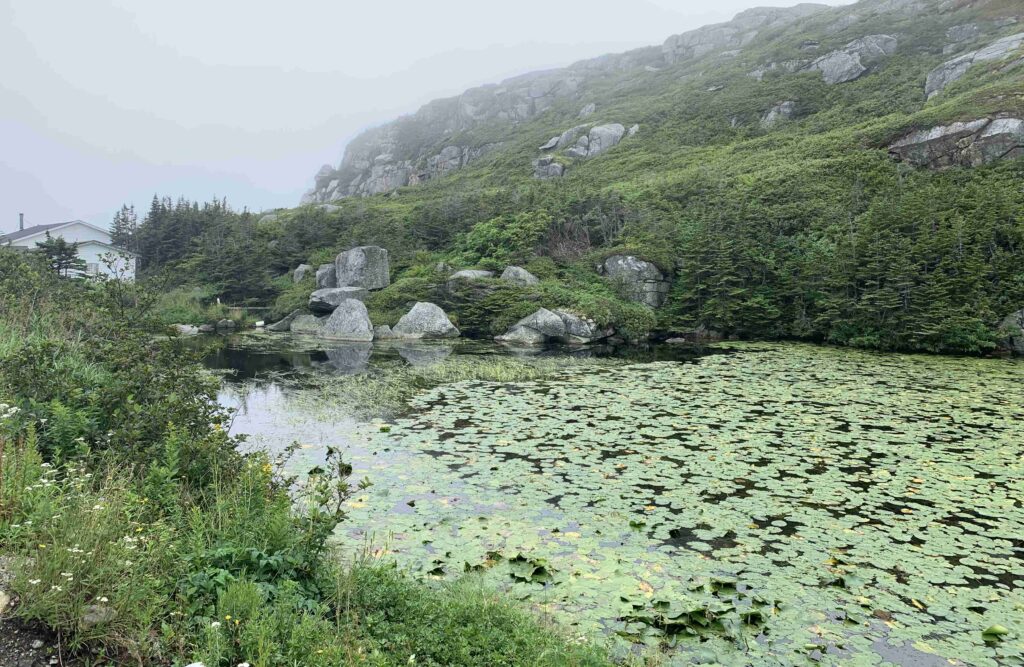
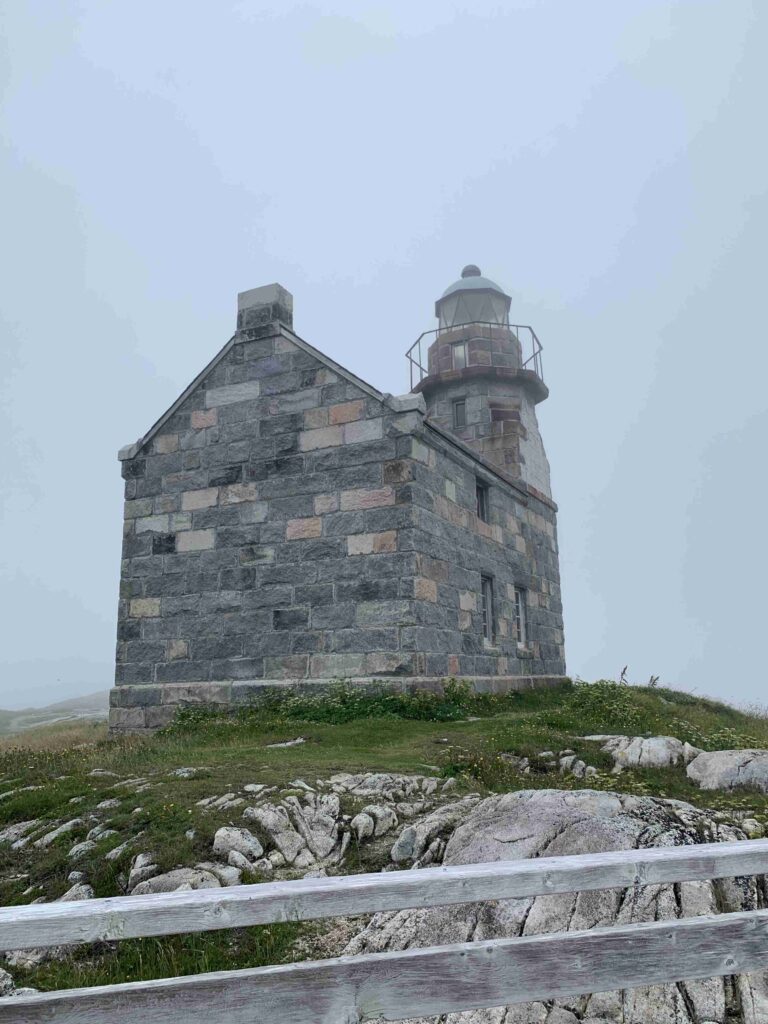
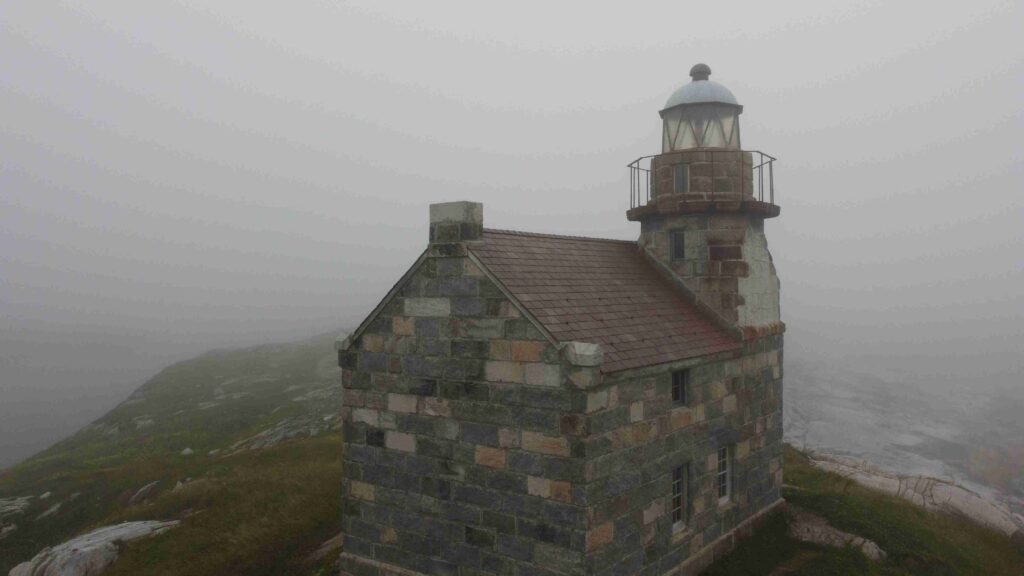
Rose Blanche is home to a famous lighthouse, no longer in use, but now a lovely tourist attraction. It is open to the public and you can go inside and see what life was like for the lighthouse keeper and his family in the early 1900’s. Despite the drizzly weather and the fair distance up a mountain, we enjoyed the hike, checked out the lighthouse and met some fellow Ontarians along the way. They have a summer home nearby and we experienced more Newfoundland hospitality as well as a driving tour of the area.
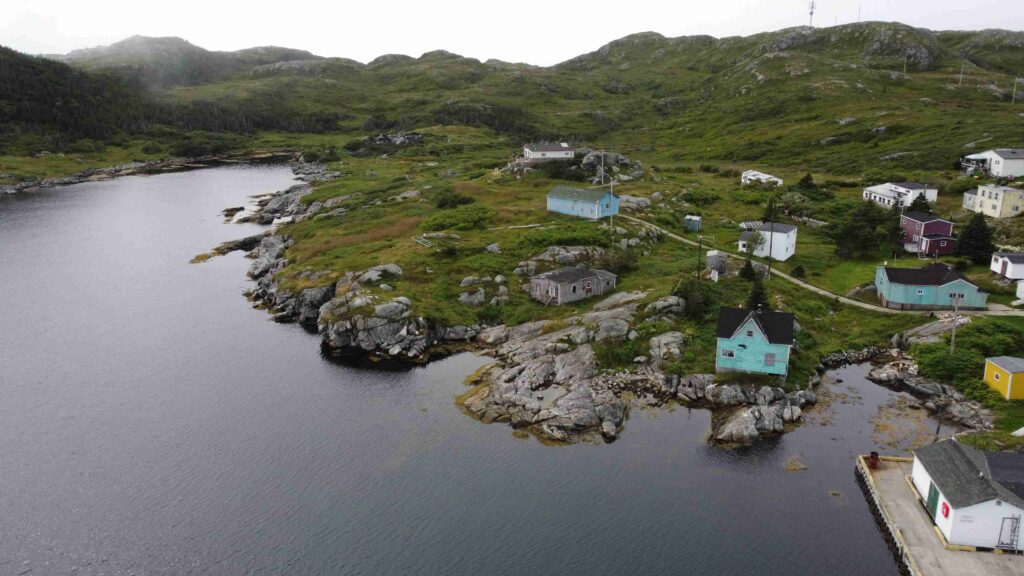
I was very excited to arrive at our next outpost, Grand Bruit – pronounced Grand Brit – as this is one of the resettled communities. I was expecting a ghost town so you can imagine my surprise when we were met at the dock by a dozen Newfoundlanders and two other sailboats. The Newfoundlanders were from another nearby village, just out in their boats enjoying the day and sailboats were cruisers from Nova Scotia. Then we noticed ATVs driving along paths and even heard a lawnmower in the distance – this was no ghost town.
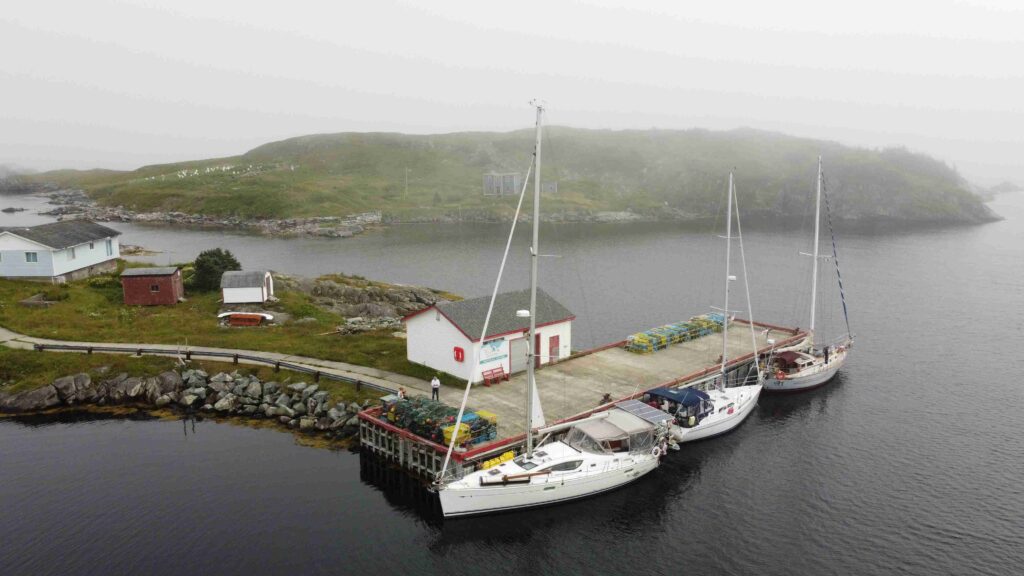
That evening an older gentleman came down to the docks and sat with us for a while and told us the story of Grand Bruit. He was a former resident and now comes back every summer. The village was resettled in 2010 and residents were given $80-90k for their homes and all but two residents took the deal. Electrical wires were literally cut outside their homes, but the two that declined the offer now have free electricity. Most home still have curtains and knick-knacks in the windows, but that does not mean they are being used as many hoped to some day return to their homes; however, the condition of most of the houses say they have been vacant for years.
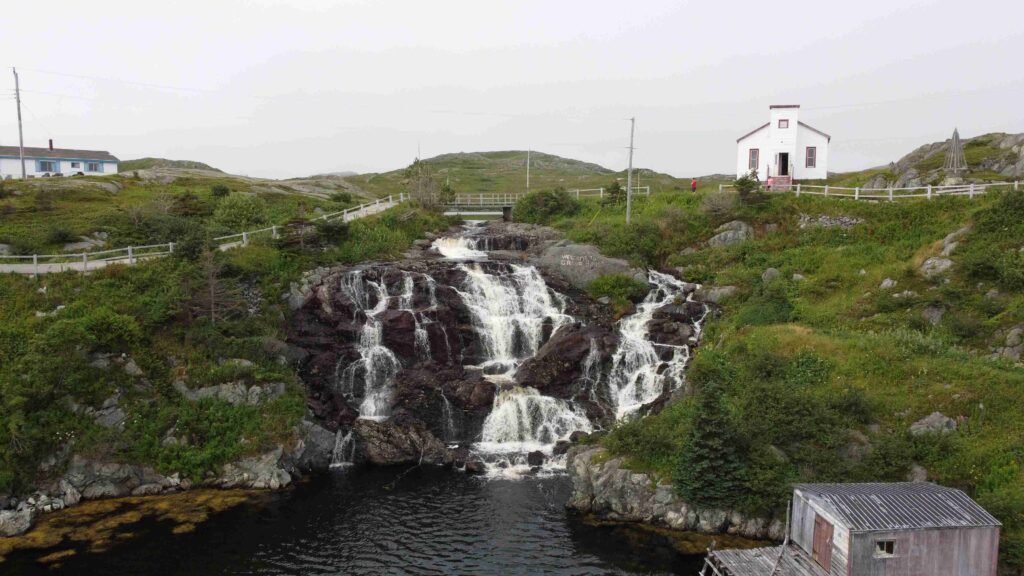
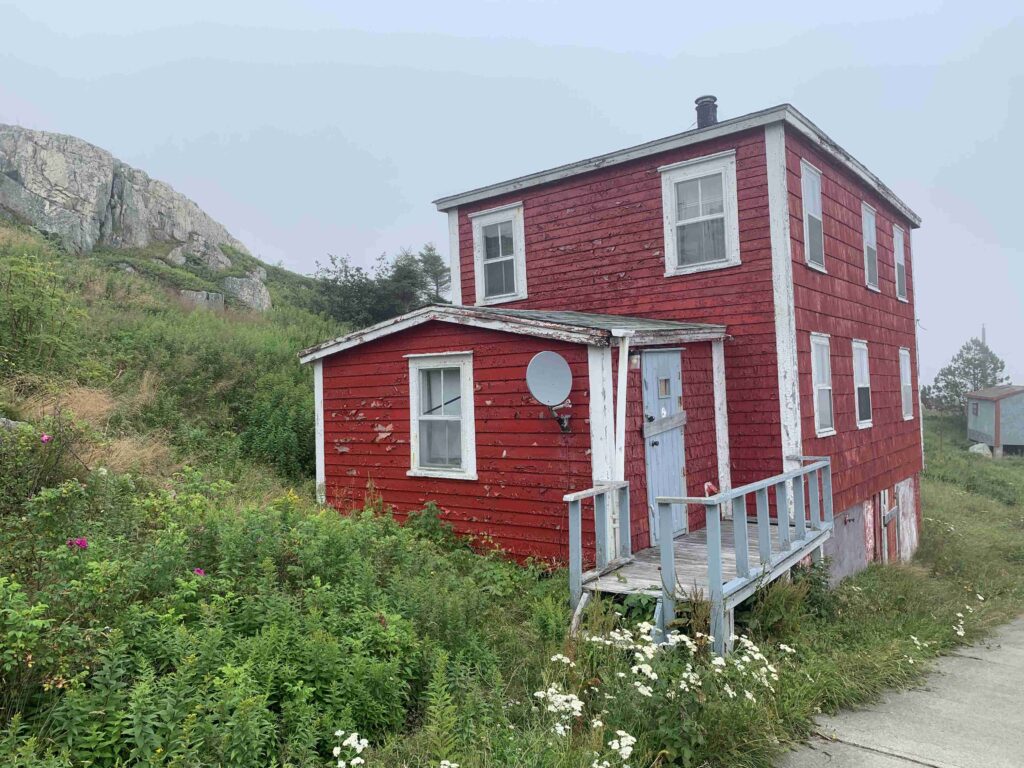
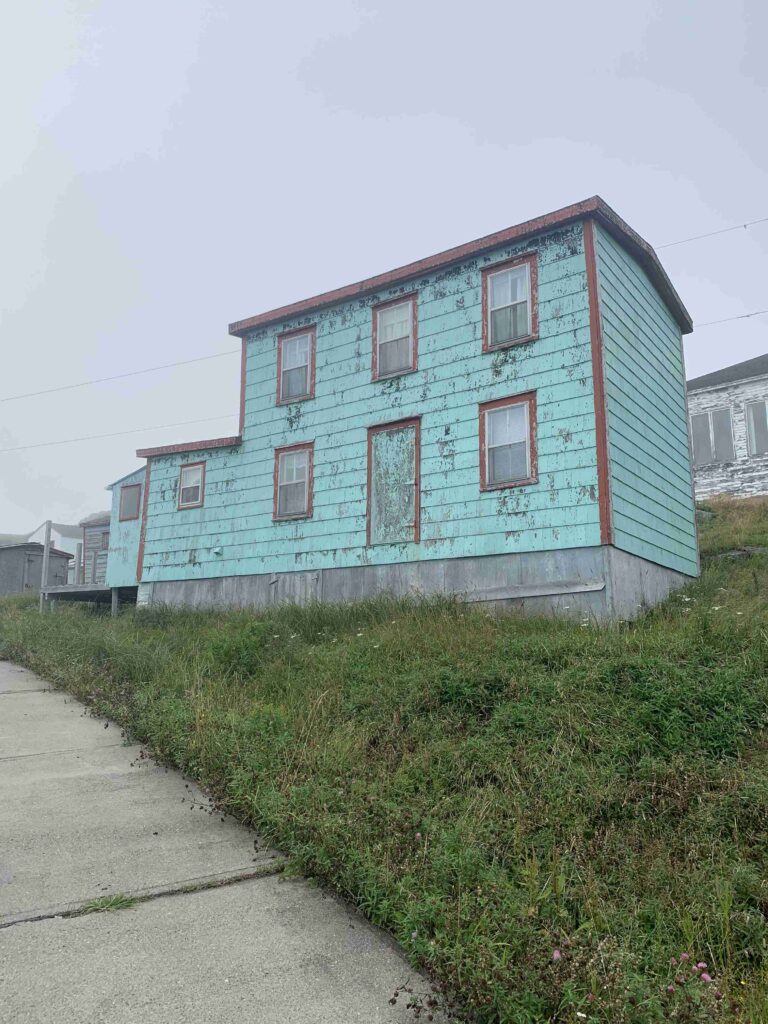
We loved Grand Bruit, with a waterfall as its centerpiece and houses in varying stages a decay. We expected to see an abandoned village, but instead found a beautiful place that people still love and visit.
Congratulations on making it to Newfoundland. Very few people get to see the south coast as there are no roads. We did get to Rose Blanche and visited the lighthouse before going up the west coast. Hope in the future you can take a driving tour to Gros Morne, St Anthony’s, Twillingate, Fogo Island; so much to see. Good to see Cat Stevens enjoying himself. Be sure to go to George Street in St John’s and kiss the cod in a pub.
Thanks for sharing your adventure. It sounds rich and interesting.
Love following your adventure! Thanks for this update.