
We departed Pubnico, NS on a sunny Sunday morning and turned our bow toward Southwest Harbor, Maine, approximately 100 miles west on the other side of the Bay of Fundy. The Bay of Fundy is known for spectacular beauty and an abundance of whales, but it also has the highest tides on Earth, up to 14.5 meters/48 feet. We do not have enough anchor chain, time, and quite frankly, nerve, to explore the area by boat, so we bypassed it completely. We estimated we would need 20 hours for the crossing to Maine, so we left just before noon, hoping to time our arrival for early morning, after daybreak. Well, you know what they say about best laid plans…
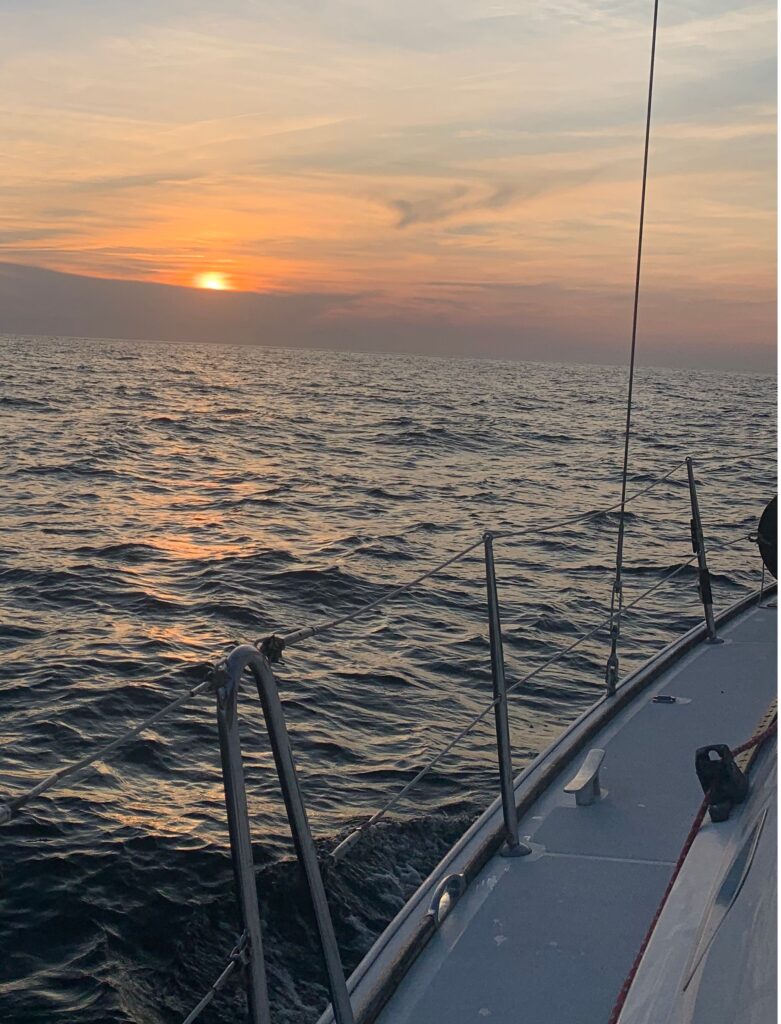
We had ideal conditions for an overnight crossing, flat seas, sunny skies, but barely any wind. Wind would have been nice, but considering the rough conditions of some previous over-nighters, we were happy to comfortably motor through this one. We expected wicked currents funneling in and out of the Bay of Fundy, but what we did not expect were the added knots of speed that pushed us to our destination hours ahead of schedule. Normally arriving early is great, especially after a long trip, but unfortunately this increased speed meant we would be arriving in unfamiliar waters, in an unfamiliar harbour, as well as being required to check-in with US Customs in the wee hours of the morning, in the dark. Doing this would have been foolish and dangerous, so as we approached the Maine coast, we slowed the engine to a crawl and timed our arrival for daylight.
Approximately 10 miles from the Maine coast, we started seeing fishing boats lit-up like Christmas trees by their spotlights, doing their work. Although we gave them at least a half mile of space, at one point we came within a few feet of running over an enormous net tossed out by one of the boats. The boat did not hail us or react, they just went about their fishing and we kept moving toward land.
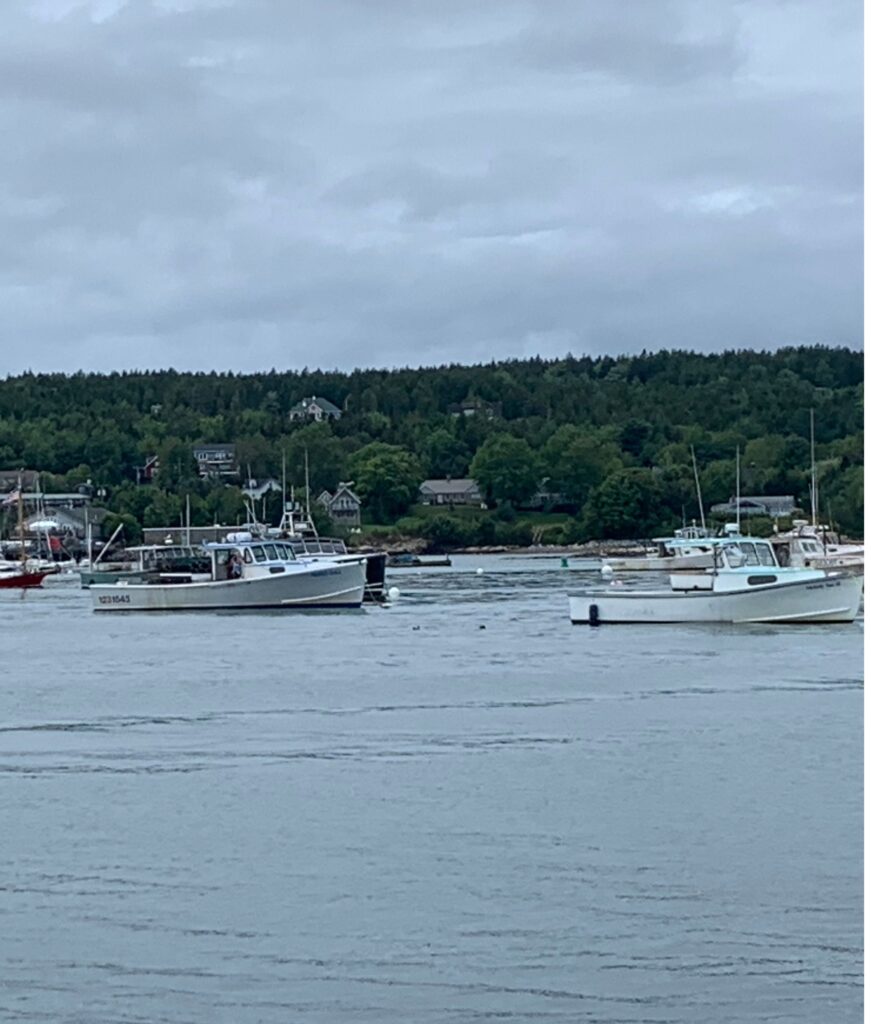
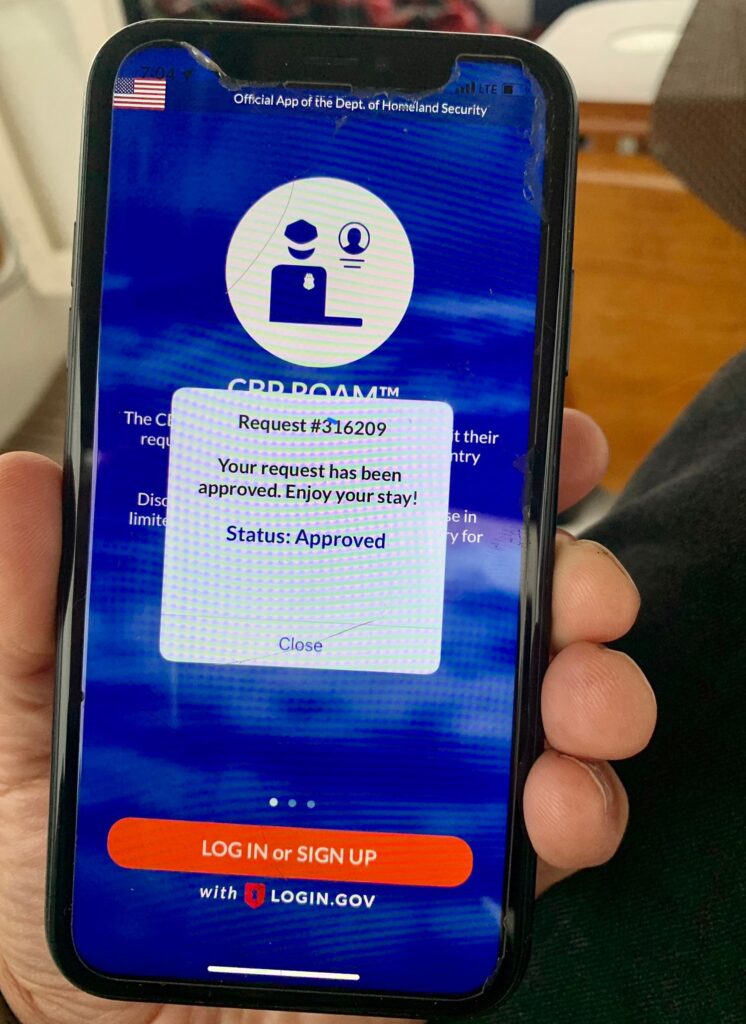
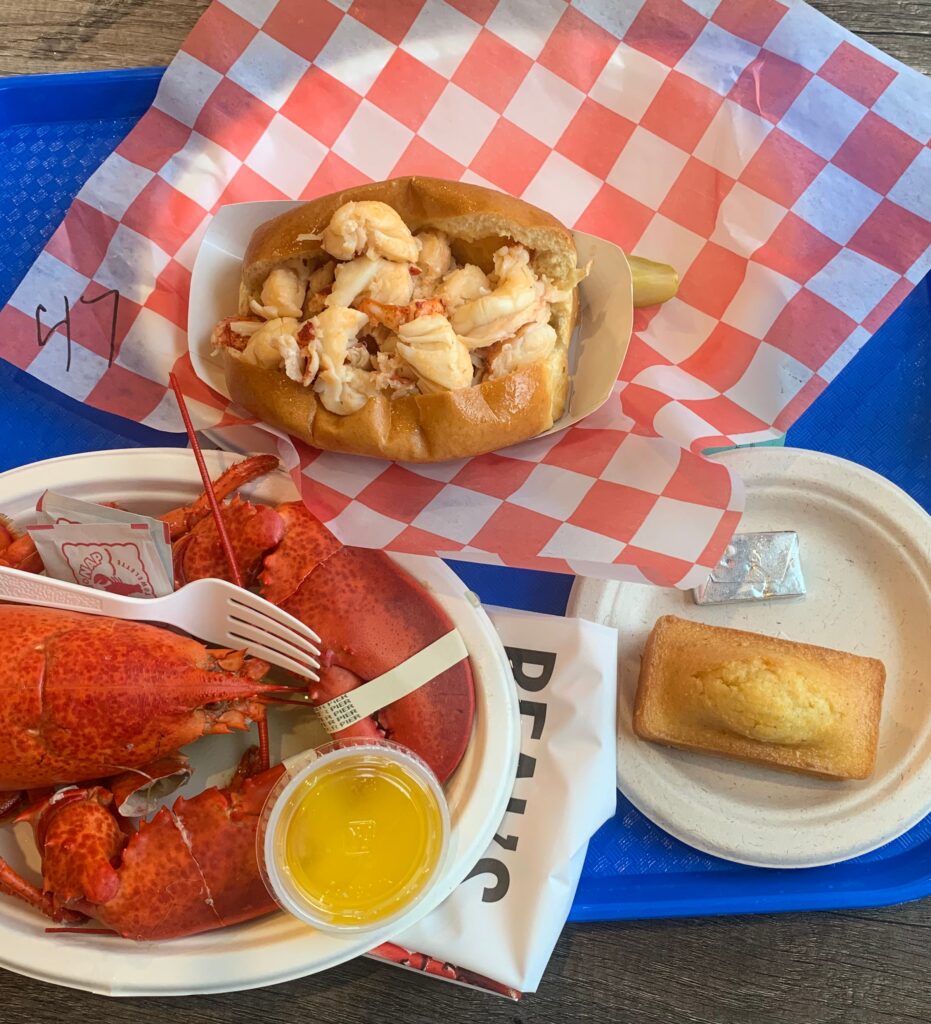
At 7am we dropped the anchor into 20 feet of water in Southwest Harbor, in the pouring rain. Checking-in with Customs was quick and easy using an app and as soon as we were cleared, we went straight to bed to get a few hours of sleep. The rest of the day was foggy, both figuratively and literally, so we went for a walk in the drizzle and ended the day with a Maine lobster dinner.
The next day brought sunshine and breathtaking views of Maine’s rocky coastline framed by mountains. It also made us hyper aware of the “minefields” we would be negotiating for miles to come – lobster and crab pots – by the thousands, in every conceivable expanse of water.
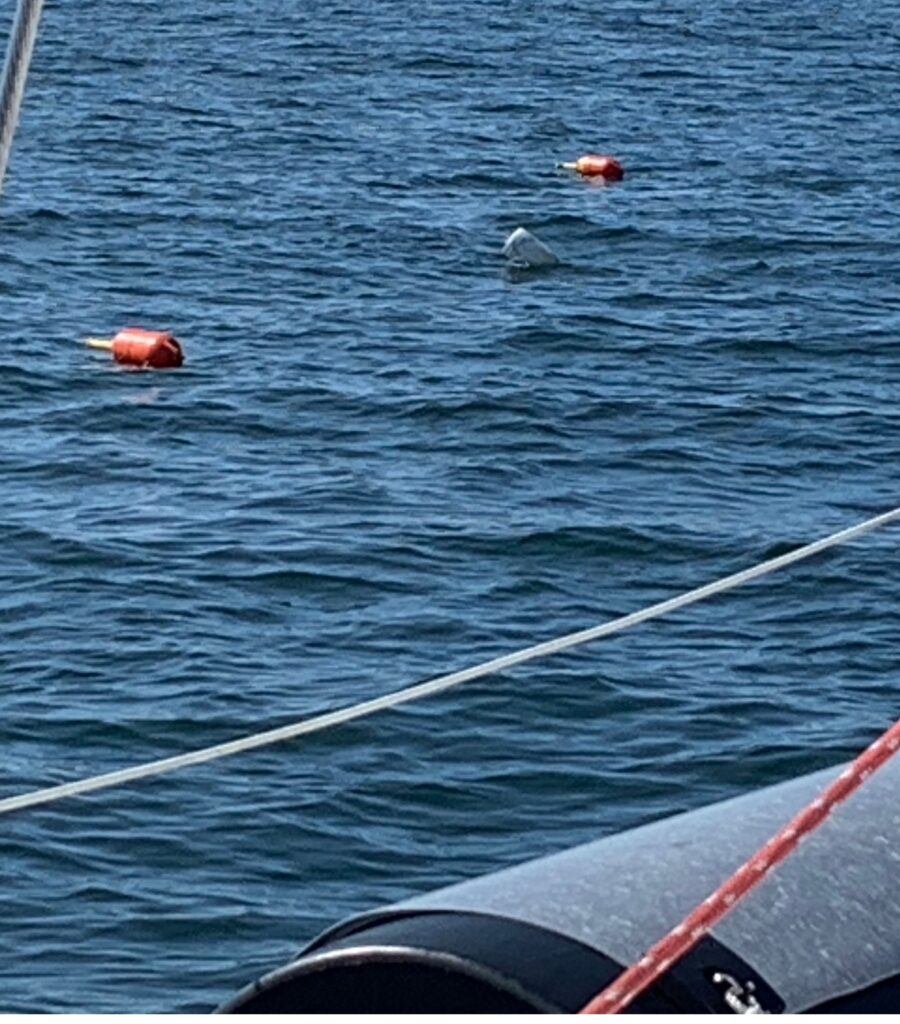
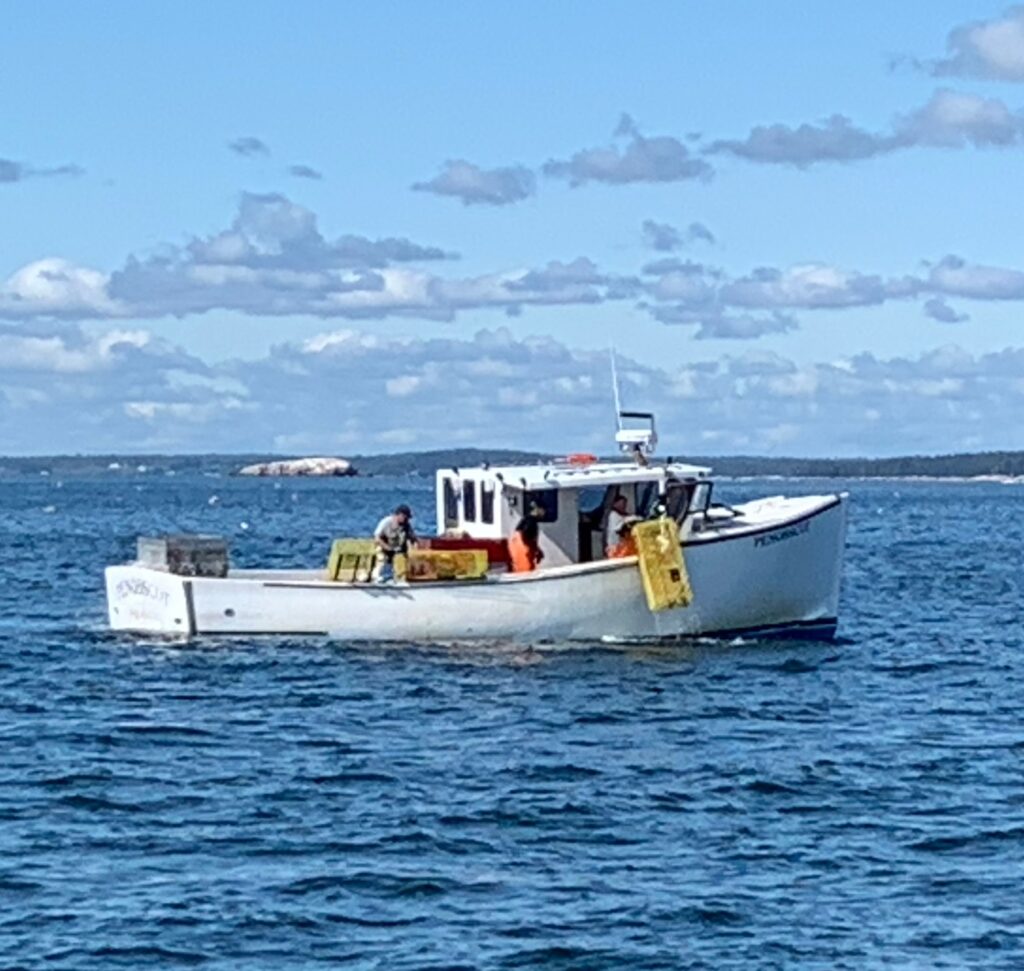
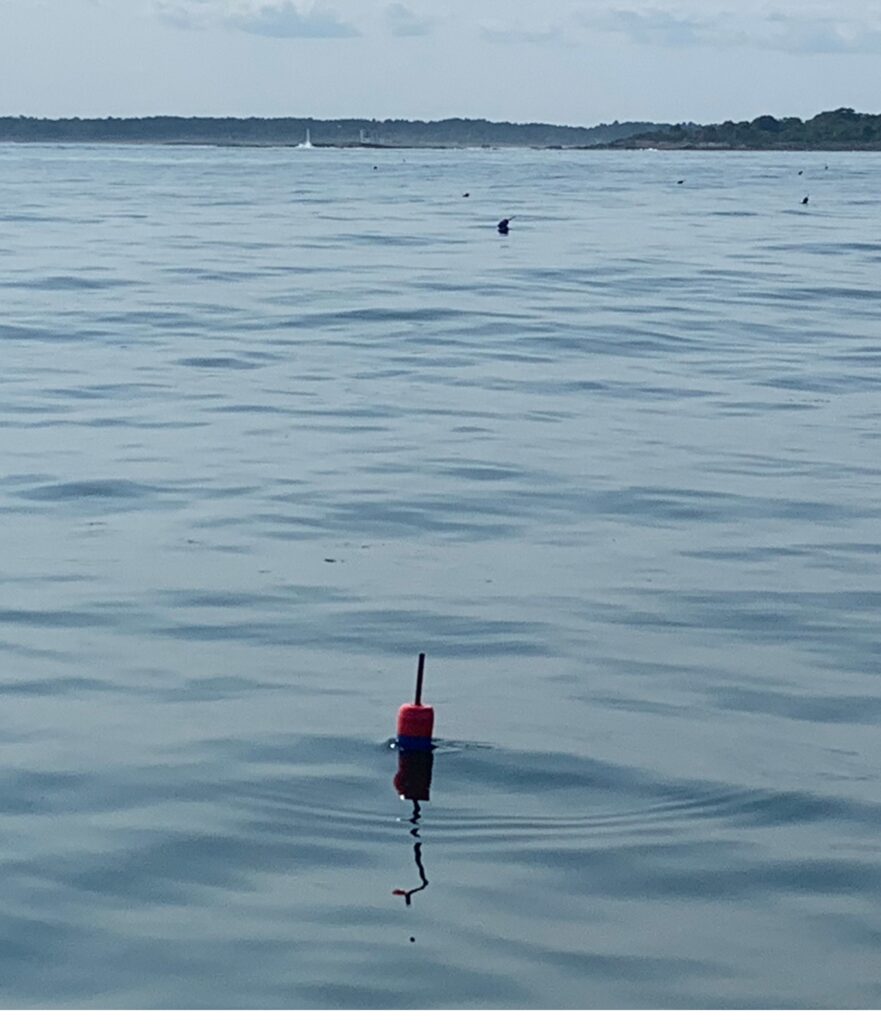
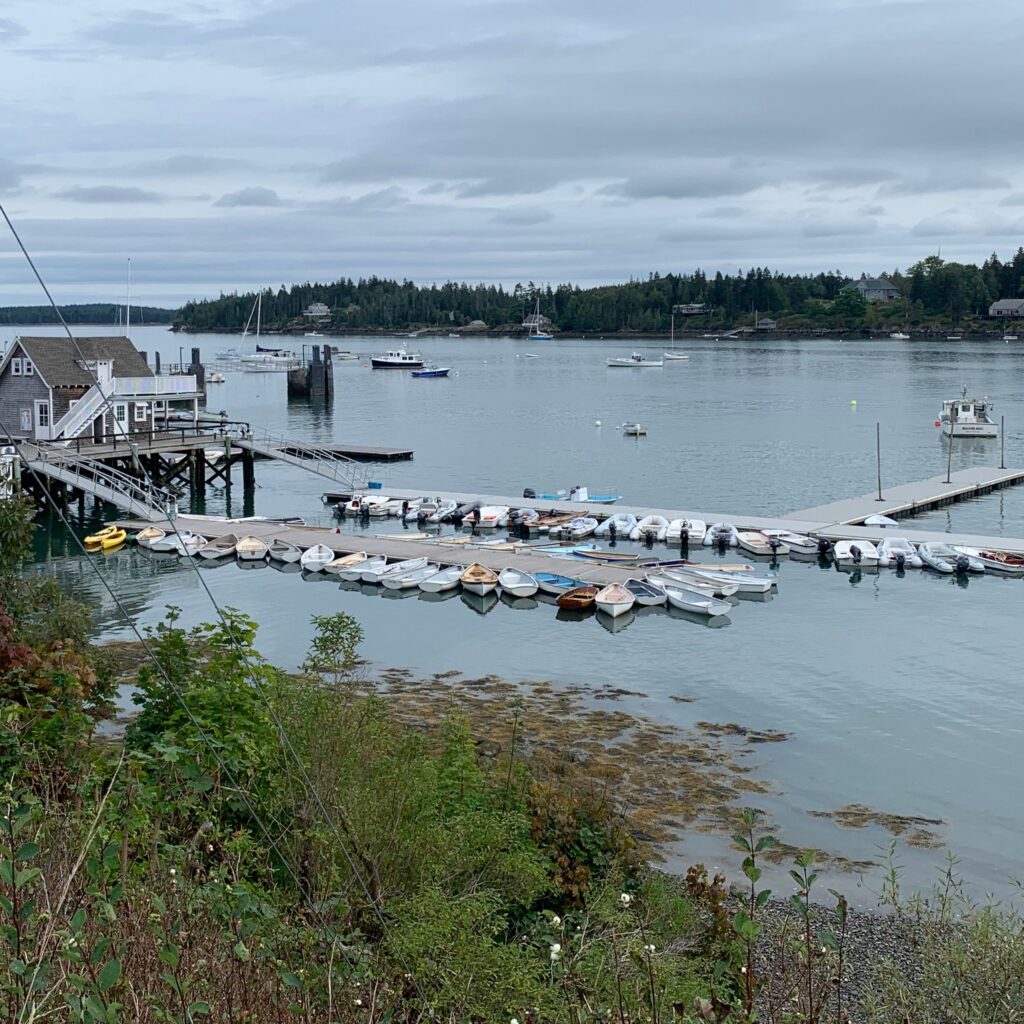
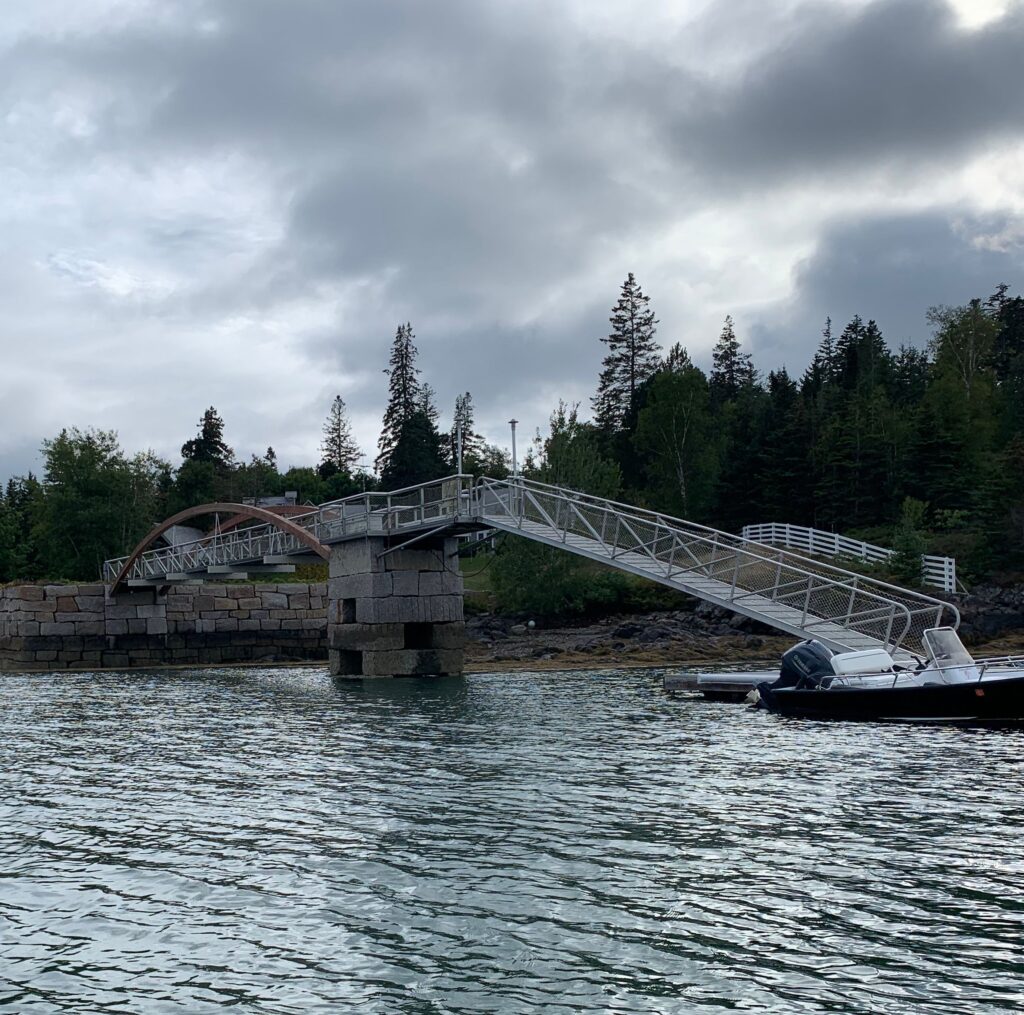
We travelled Maine’s coastline stopping in small towns along the way: North Haven, Boothbay, Portland and Kennebunkport. We anchored when we could, but it was challenging to find safe anchorages with Maine’s deep coves and 10-foot tides, and marinas are very expensive here, usually $3.50-5.00 per foot (multiplied by 42 feet = expensive!); however, we experienced our most expensive lesson yet – submerged lobster pots.
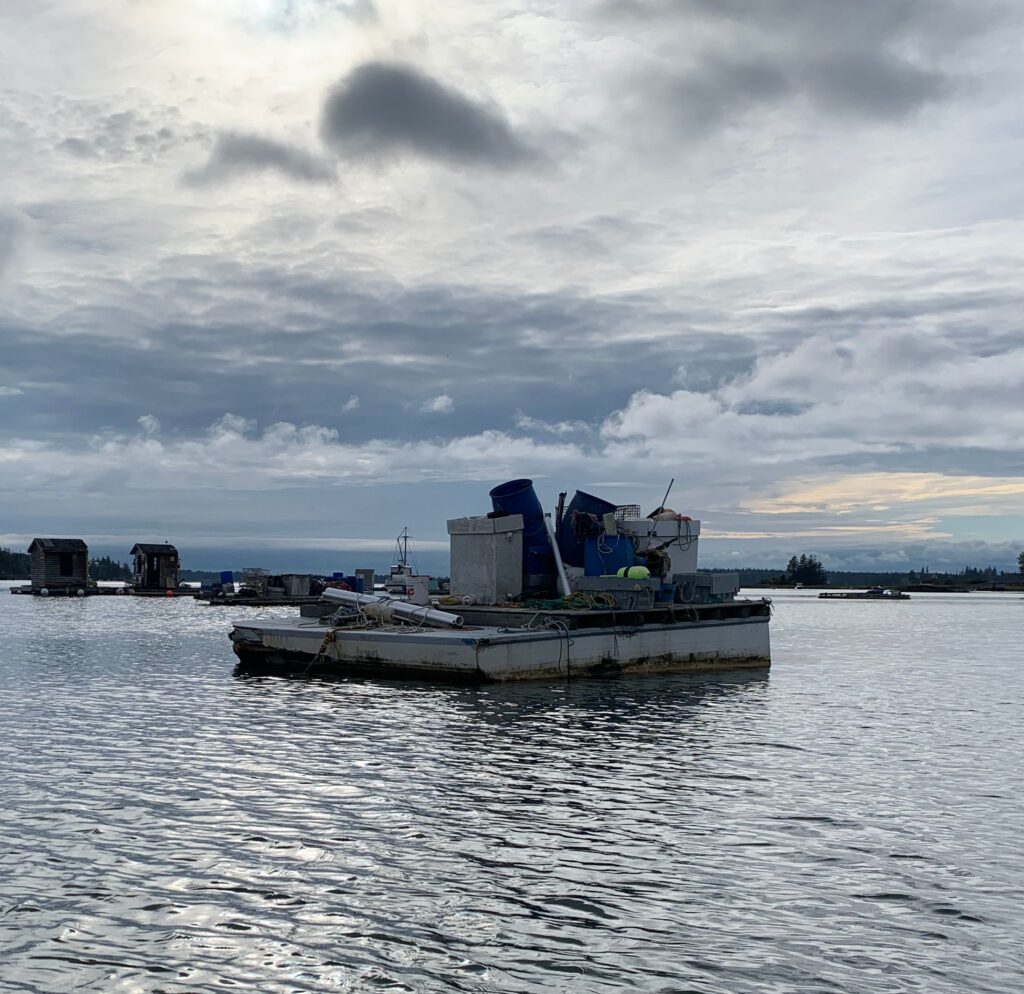
While traveling from Portland to Kennebunkport on a sunny day during high tide, we heard a sound no boater wants to hear – a thunk and a crunch from under the boat – we ran over a submerged lobster pot and its rope was wrapped around the propeller and rudder. We were dead in the water, with no propulsion and more importantly, no steerage – we cannot put up the sails when we cannot control the direction. We were relatively safe being a few miles offshore, but the waves were steadily pushing us in the direction of a rocky shore so there was no choice but to call a marine towing service and swallow the exorbitant price tag of 9-mile tow to the nearest port, Kennebunkport. Fearing we’d be on the rocks before the towboat could arrive, we dropped the anchor with 150 feet of anchor-rode into 50 feet of water and hoped for the best.
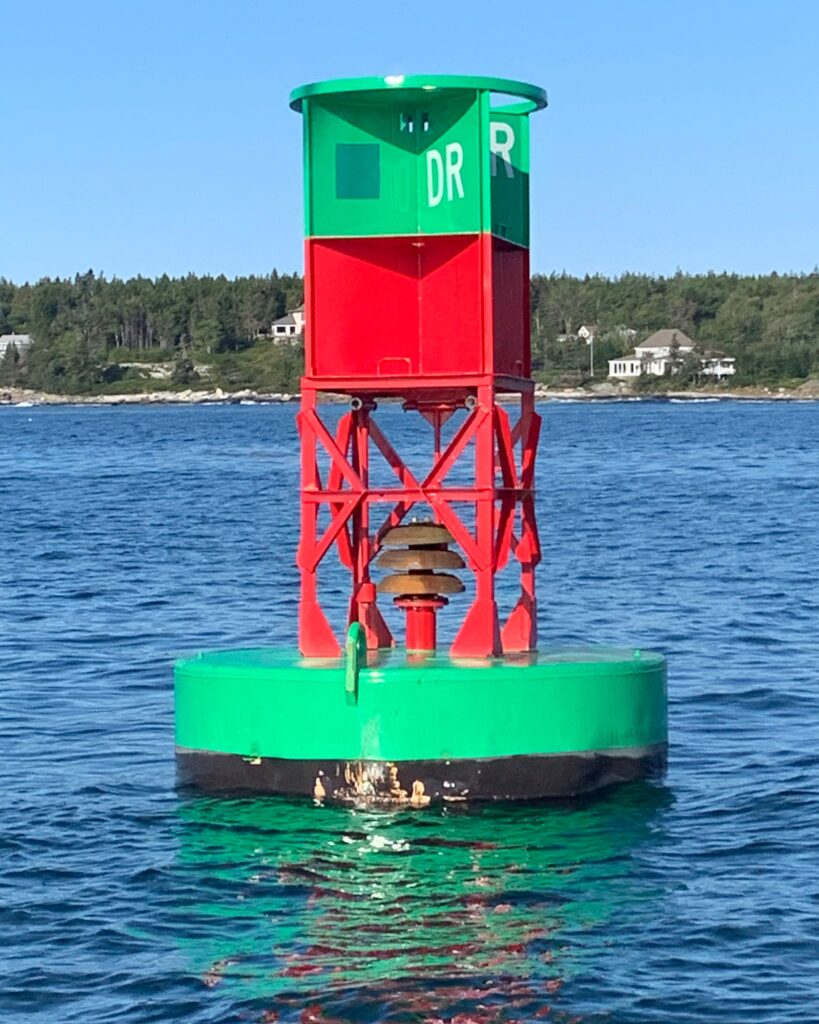
Luck was on our side because after a little while we realized the wave motion cleared the rudder, but the propeller was still fouled. This meant we could raise our sails and despite wind being on the nose, we were able to slowly sail toward Kennebunkport, away from shore and closer to our destination. Two hours later the towboat arrived and towed us the remaining 4 miles to the wharf in Kennebunkport. A call to the harbourmaster got us a spot on the fishing wharf, near the harbour’s entrance, a safe place to spend the night and arrange for a diver to inspect the boat. In the morning a diver dove under the boat. Again, we got lucky – the obstruction was cleared and our hull got a clean bill of health. After reviewing the situation over and over, we’ve concluded there was nothing we could have done differently – watch for pots, and if you hit one, throw the throttle into neutral, listen for the crunch, and hope for the best. And buy towing insurance.
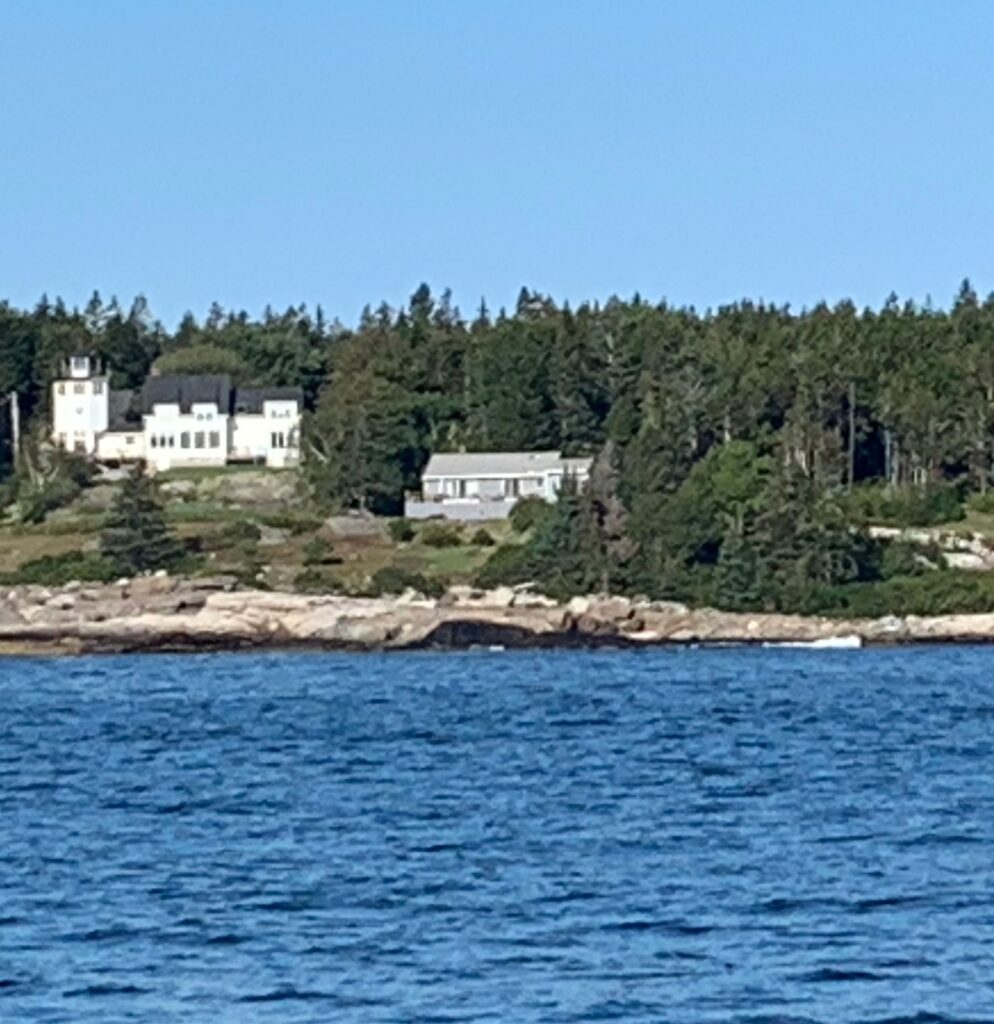
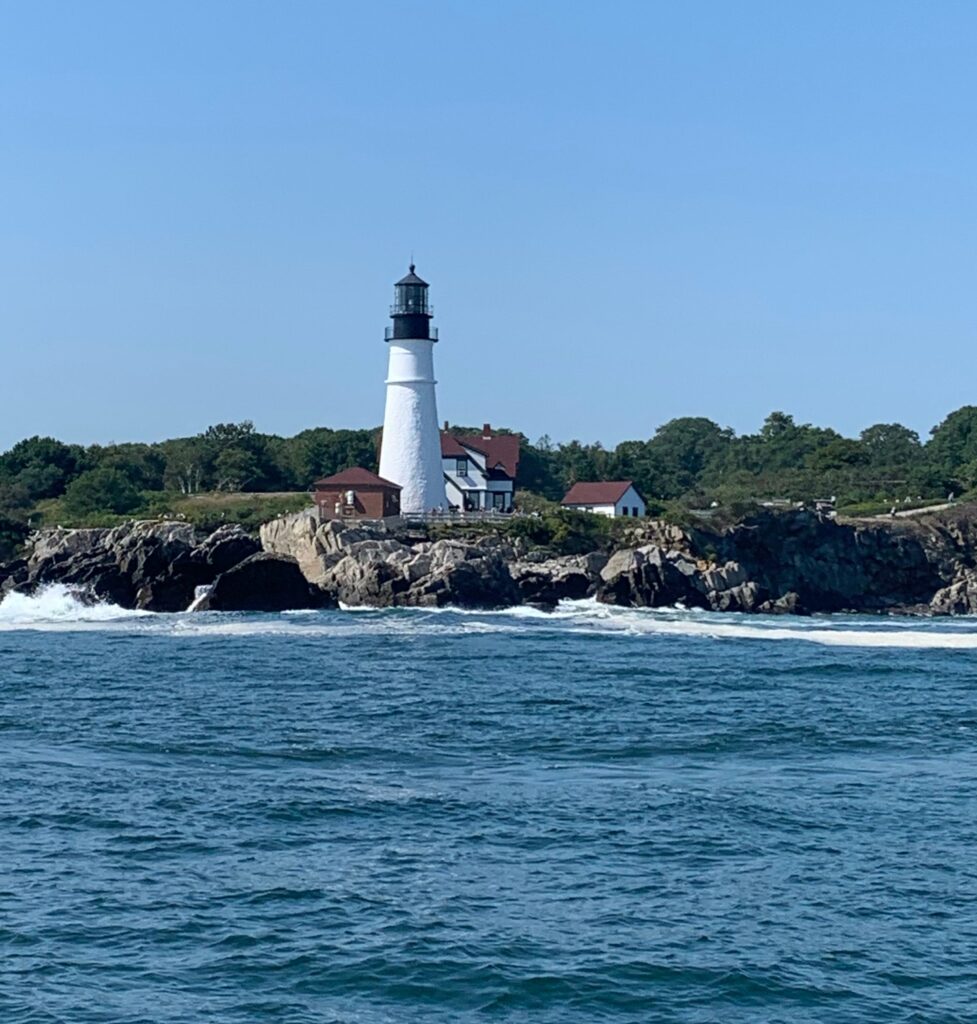
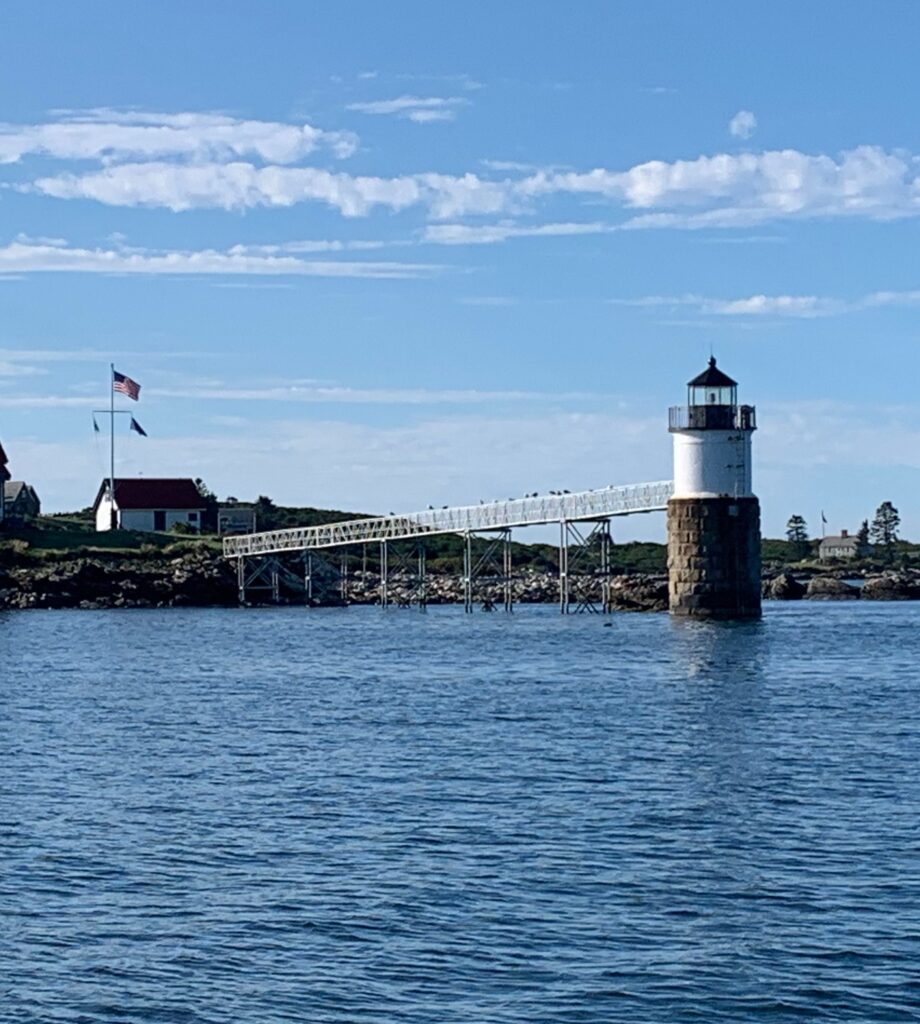
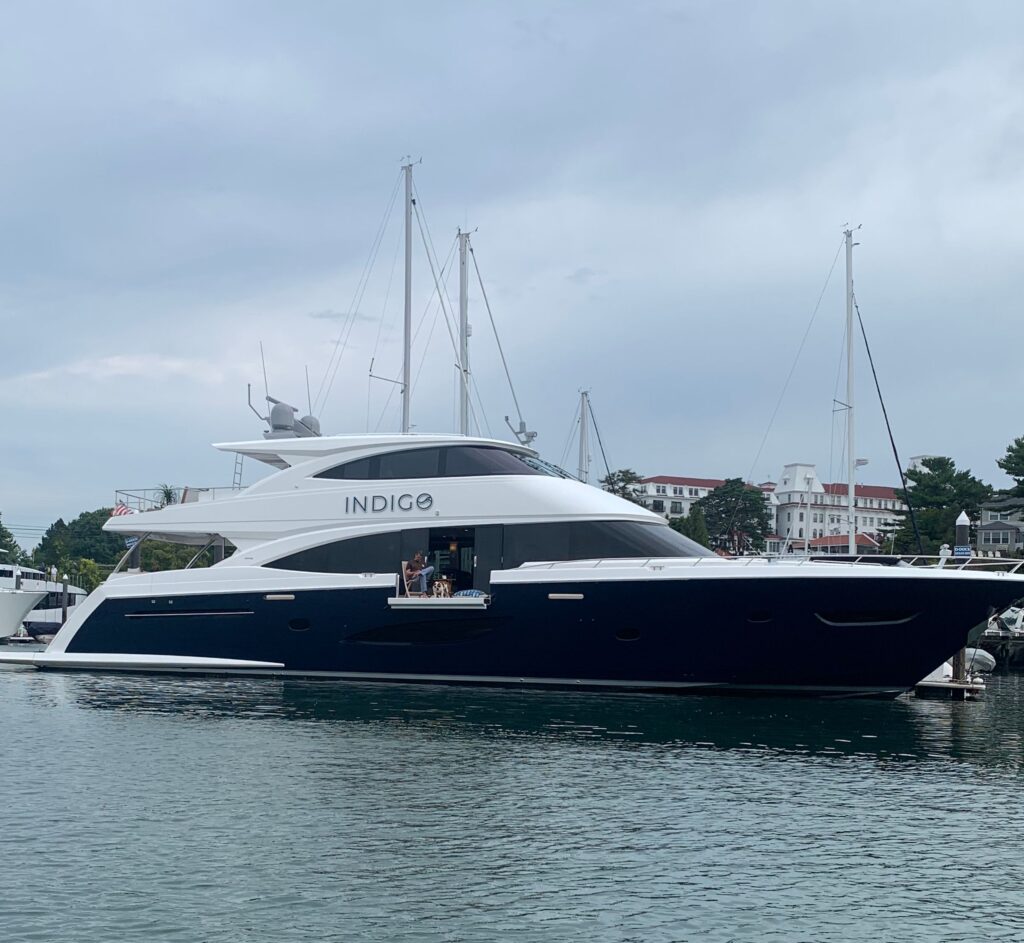
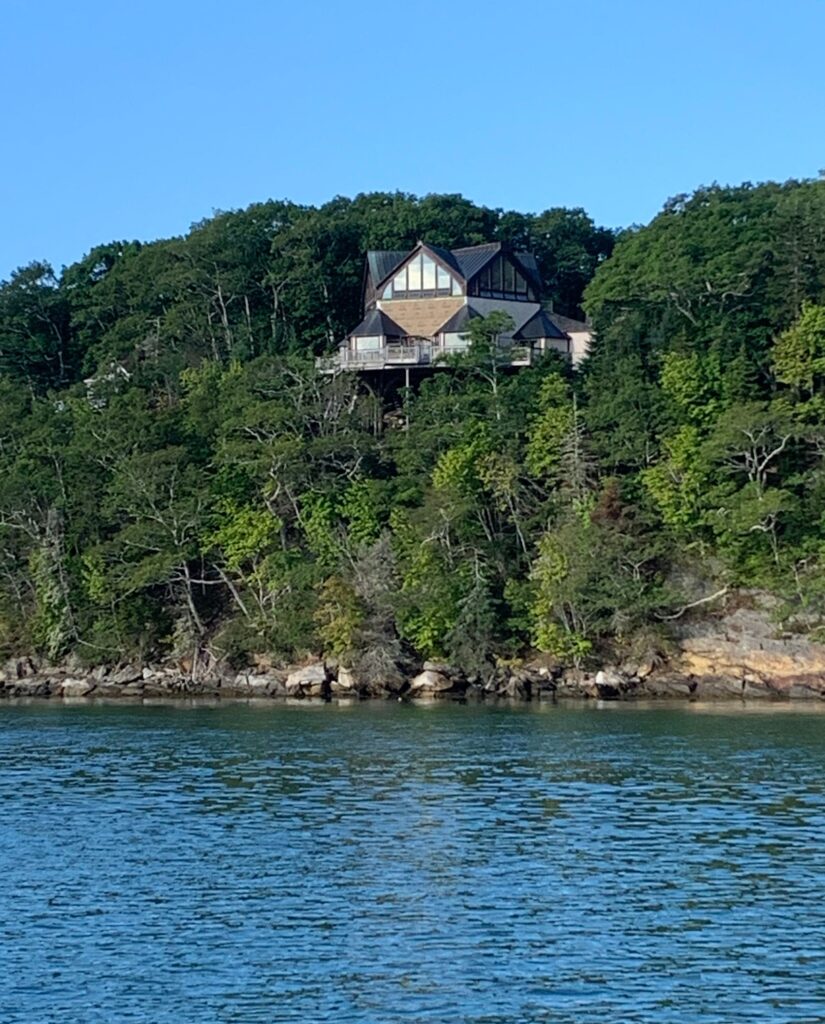
Our next stop after Kennebunkport was in Portsmouth, Hew Hampshire. Hurricane Danielle had already died in the northeast Atlantic, but Earl was still a strong storm in the mid-Atlantic. We were not in any danger from winds as Earl had moved well northeast of us, but the coast from Boston to Maine was under storm surge warnings. This brought us to Portsmouth where we were able to grab a mooring ball in the Piscataqua River and spend a couple nights safely enjoying viewing opulent New England seaside mansions and yachts.
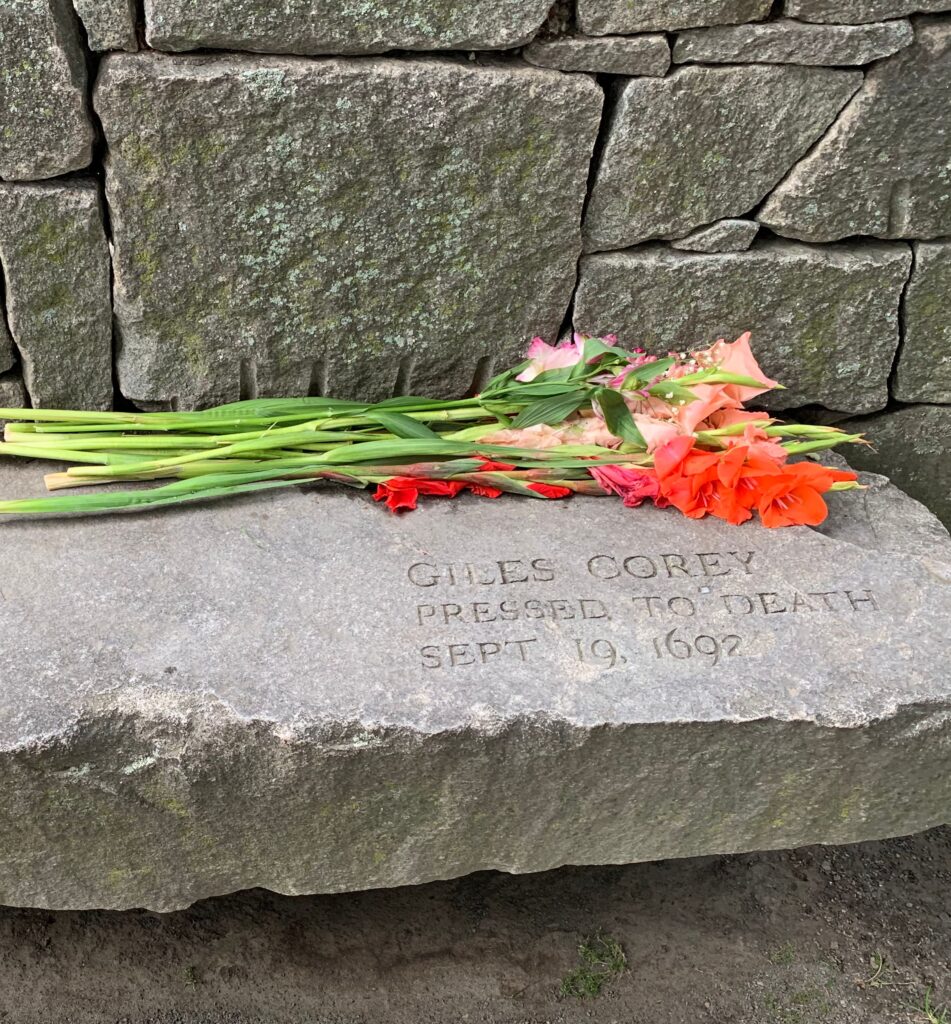
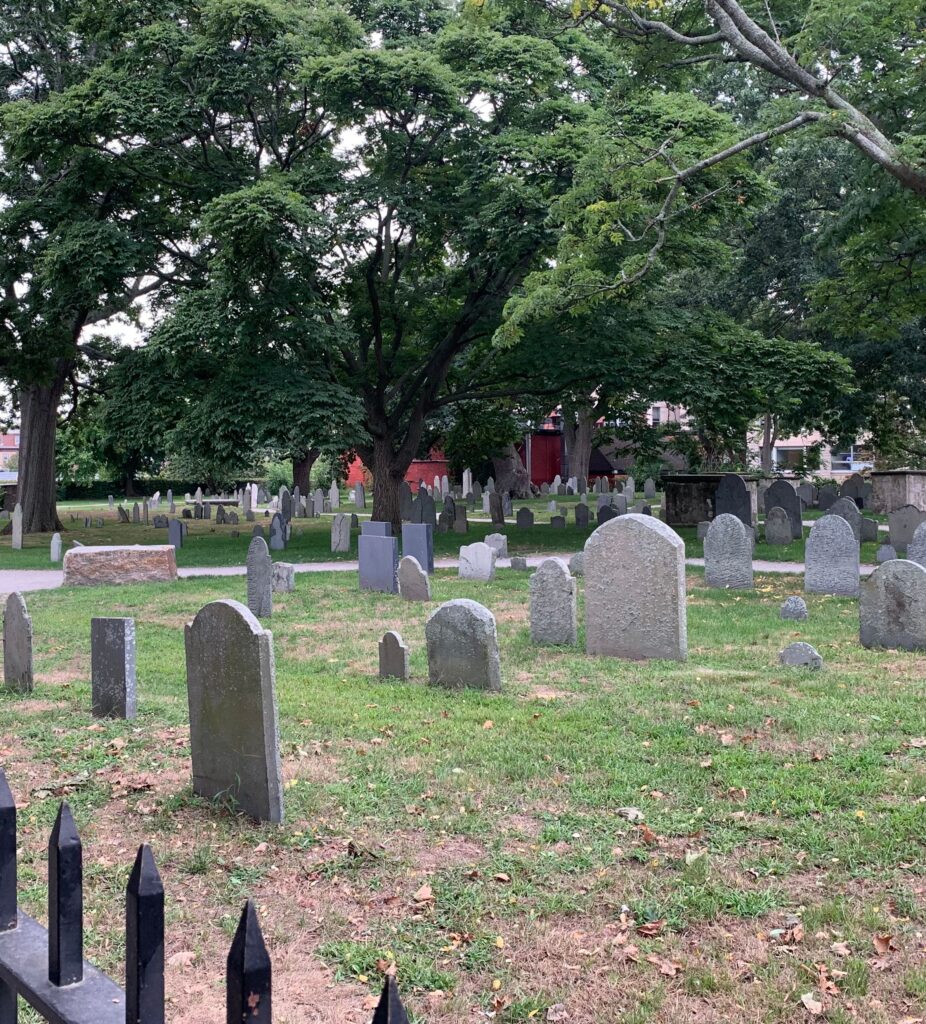
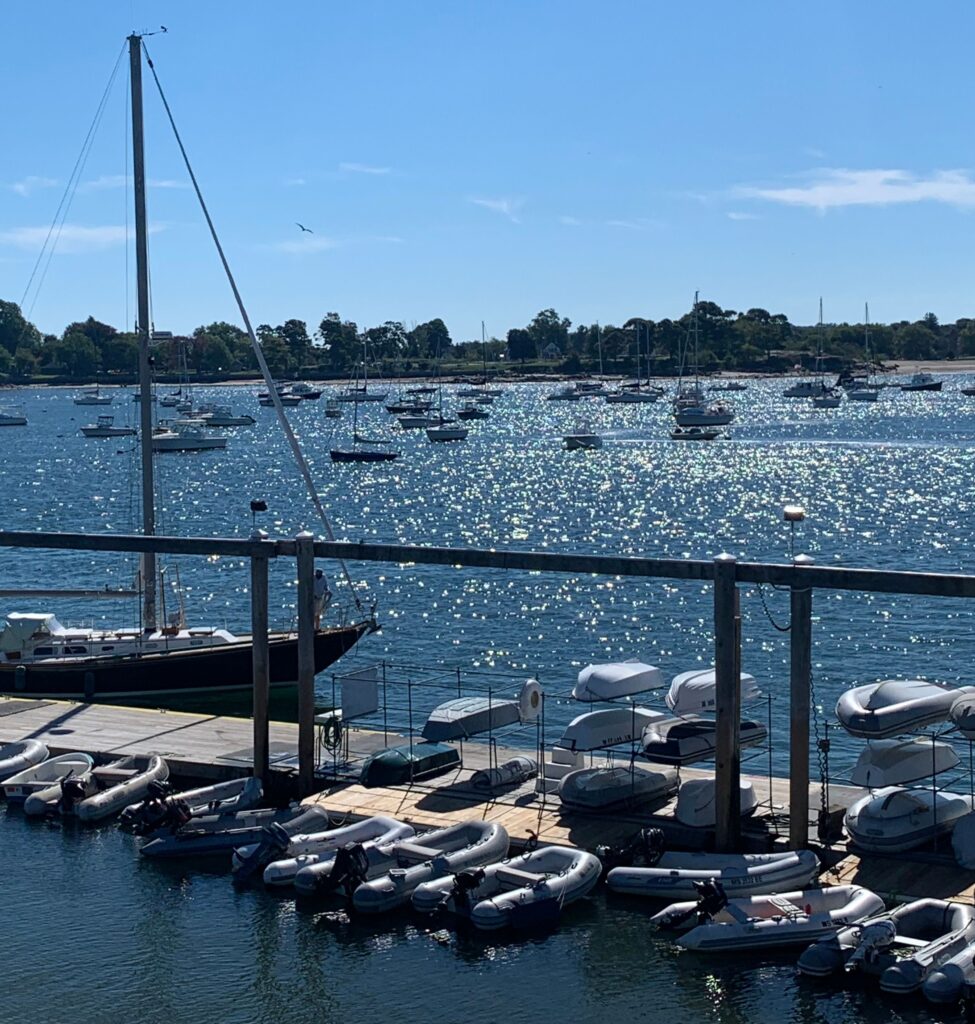
Our last stop before Boston was in Salem Sound and the four cities of Beverly, Salem, Marblehead and Manchester. Marblehead’s harbour is home to about 2300 mooring balls, most privately owned, but available to rent; however, we chose to stay in Beverly, primarily because of the yacht club with reasonable mooring ball rates and easy access to their harbour. From there we took a walk to nearby Salem, the place of the infamous Salem Witch Trials in 1692, when 20 innocent people were convicted and executed for witchcraft – 19 were hanged, 1 was “pressed to death” under rocks and several died in prison. Perhaps most tragic is that these people were accused by a few teenaged girls, who likely did it to seek attention. Fourteen years after the trials, one of the girls, Ann Putnum, apologied for her part in accusing innocent victims.
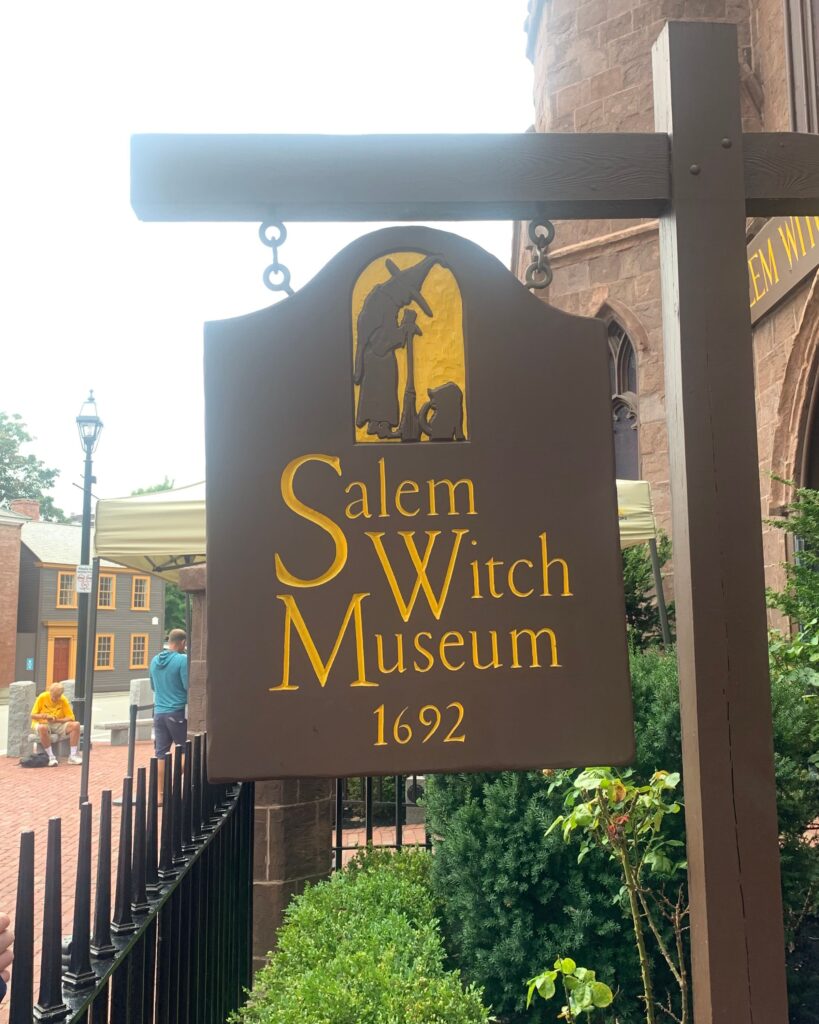
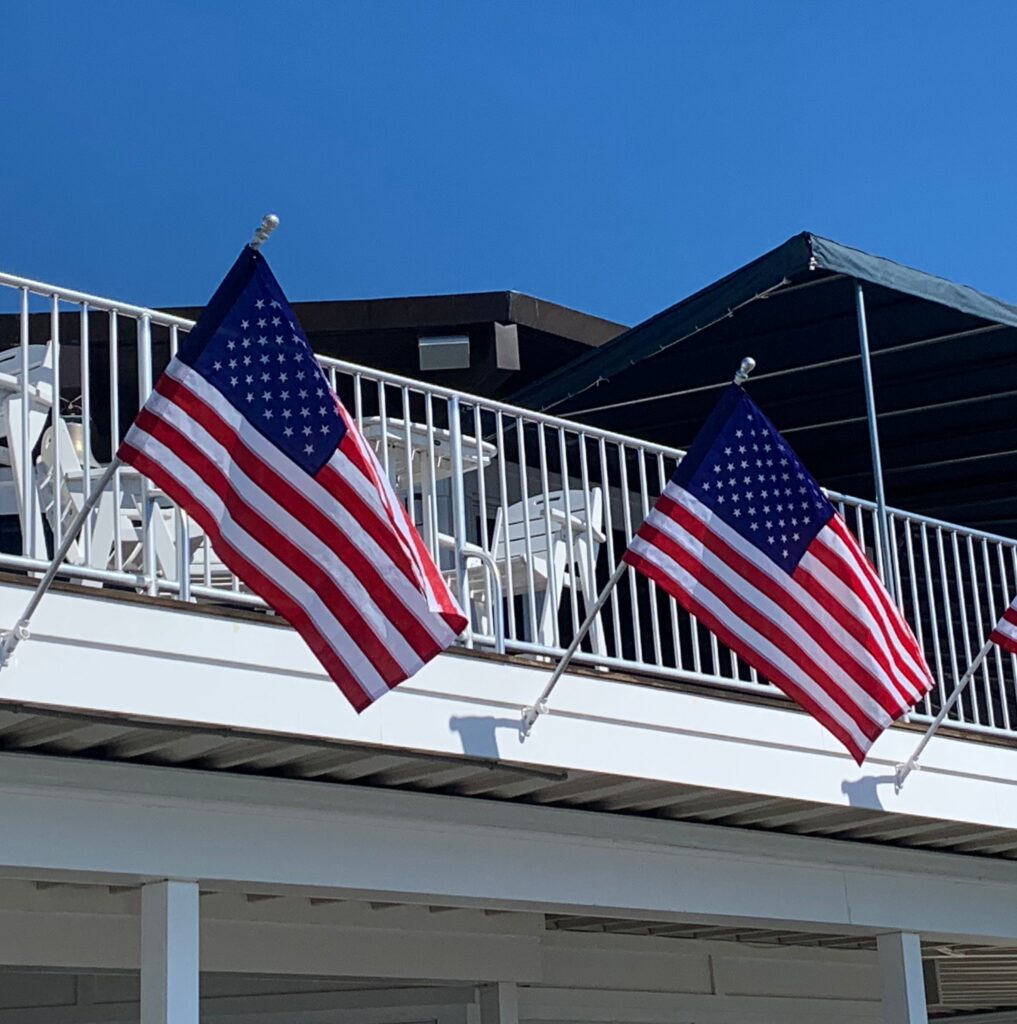
Despite this horrible chapter in its history, Salem has embraced its witchy past and is full of things related to witches and sorcery – shops with clothing, trinkets, parties and elaborate costumes. Salem is gearing up for October, with one bar advertising in its window “only 48 days until Halloween”. It’s a pretty town, with interesting architecture and a young vibe.
Our next stop is going to be a big one – Boston!
Watching the devastation in Port Aux Basques, Nova Scotia and Prince Edward Island by Hurricane Fiona; very happy to know you are safe in Long Island Sound.
Anne and Gary Oliver
We are safe and fortunatley all our friends and family in Fiona and Ian’s path are safe too.
You are quickly making your way south! Hope you are staying warm and safe!
It’s getting cold so getting south is a great! As long as the hurricanes stay away.