
Halifax, the largest city in the Canadian Maritimes, was a very important stop because we had a very long “to do” list and we needed time and resources.
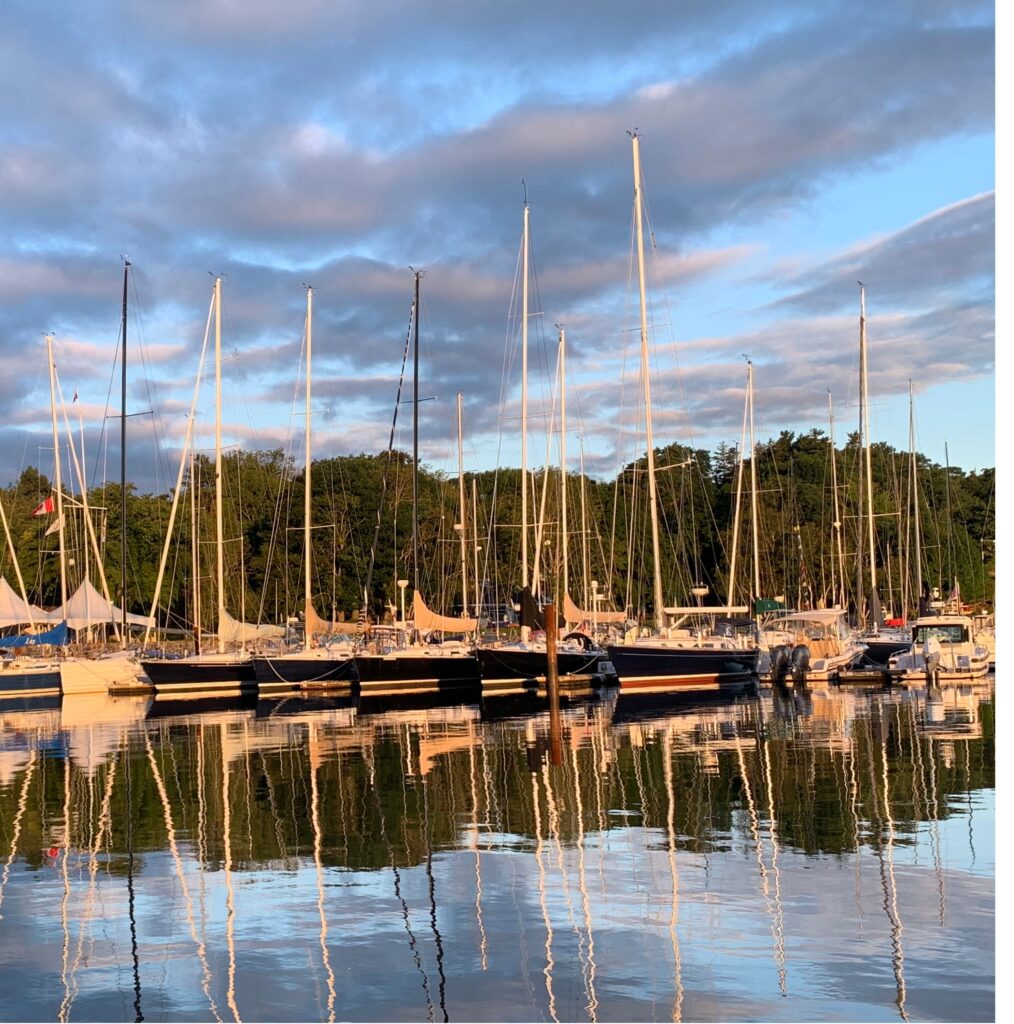
In addition to the usual groceries, hardware store and laundry requirements, our to-do list consisted of some significant boat repairs, so we spent 3 nights at the Royal Nova Scotia Yacht Squadron (RNSYS). The oldest yacht club in North America, this club certainly keeps the “royal culture” alive with solid floating docks, lovely gardens & grounds and a traditionally British clubhouse with restaurant and bar. RNSYS has the large number of gorgeous, blue-hulled Tartan boats, immaculately maintained by their owners (for you non-sailors – Tartans are the Rolls Royce of boats).
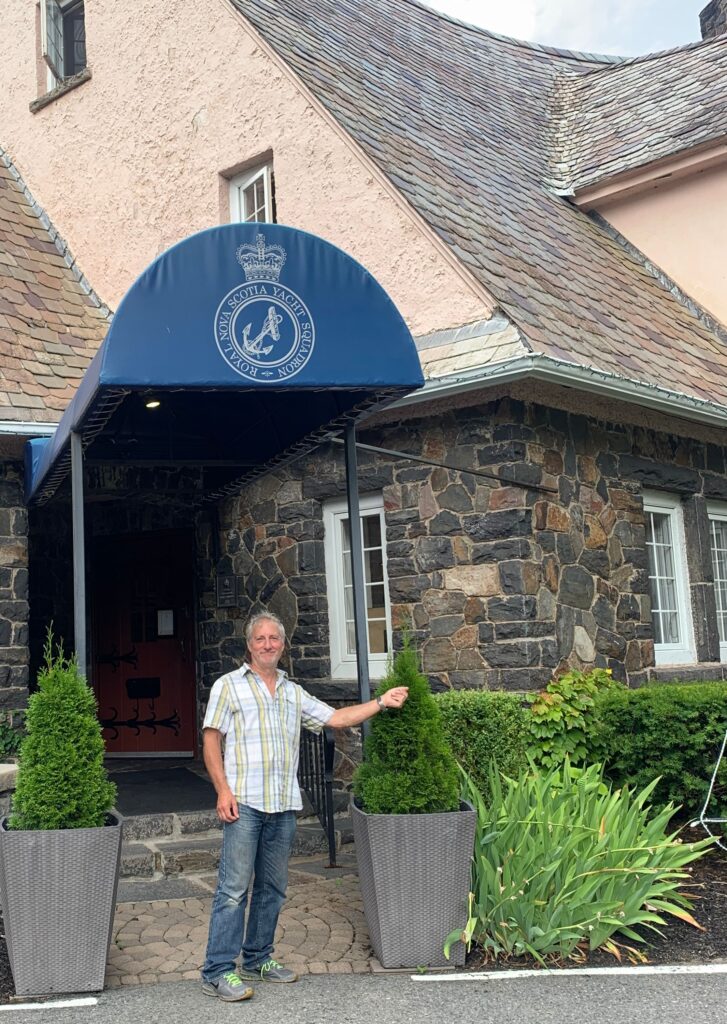
We had several projects planned – Allen ordered and shipped parts to RNSYS, and we found a marine canvas shop who was able to do an emergency repair on our torn bimini, but what we had not expected and quite frankly is one of our greatest fears, was the fridge going on the fritz. Without daily access to ice or grocery stores, losing the fridge is a serious problem. To make matters worse, marine refrigeration technicians are rare and are usually booked up weeks in advance, so when our fridge got warm, we weren’t happy. As luck would have it, a member of RNSYC is a fridge tech and was kind enough to squeeze us in between appointments and got us chilling again. In just two days, all the repairs were completed, fridge restocked, clean laundry put away and we were ready to have a little fun.
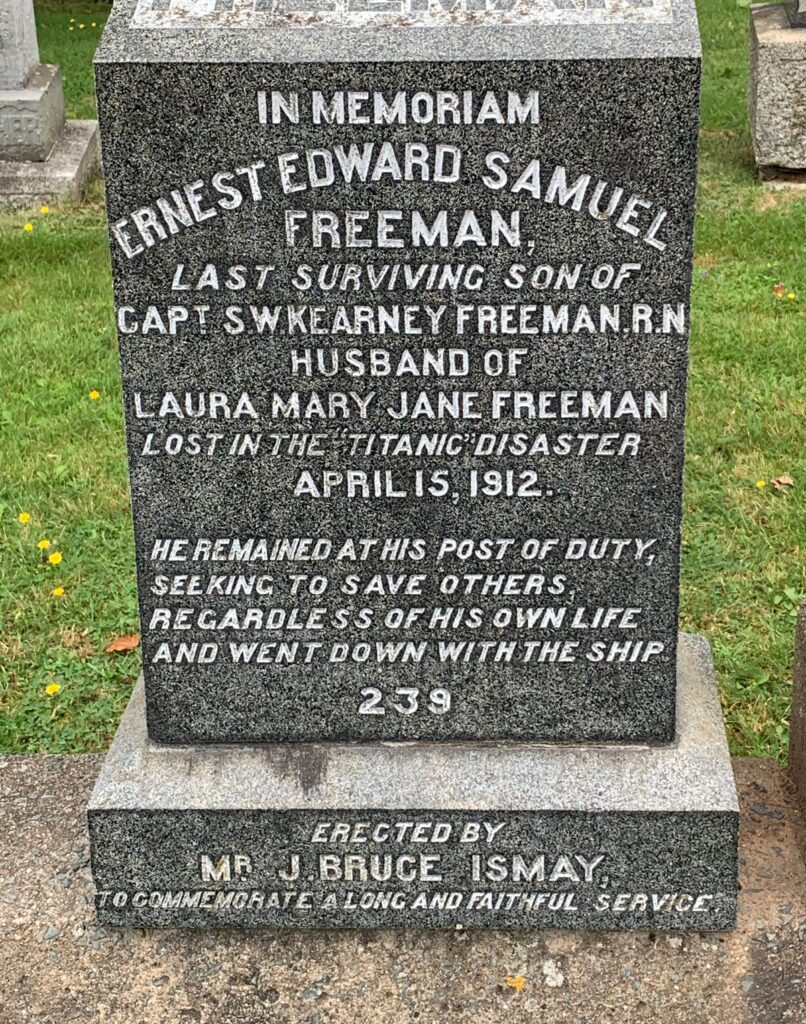
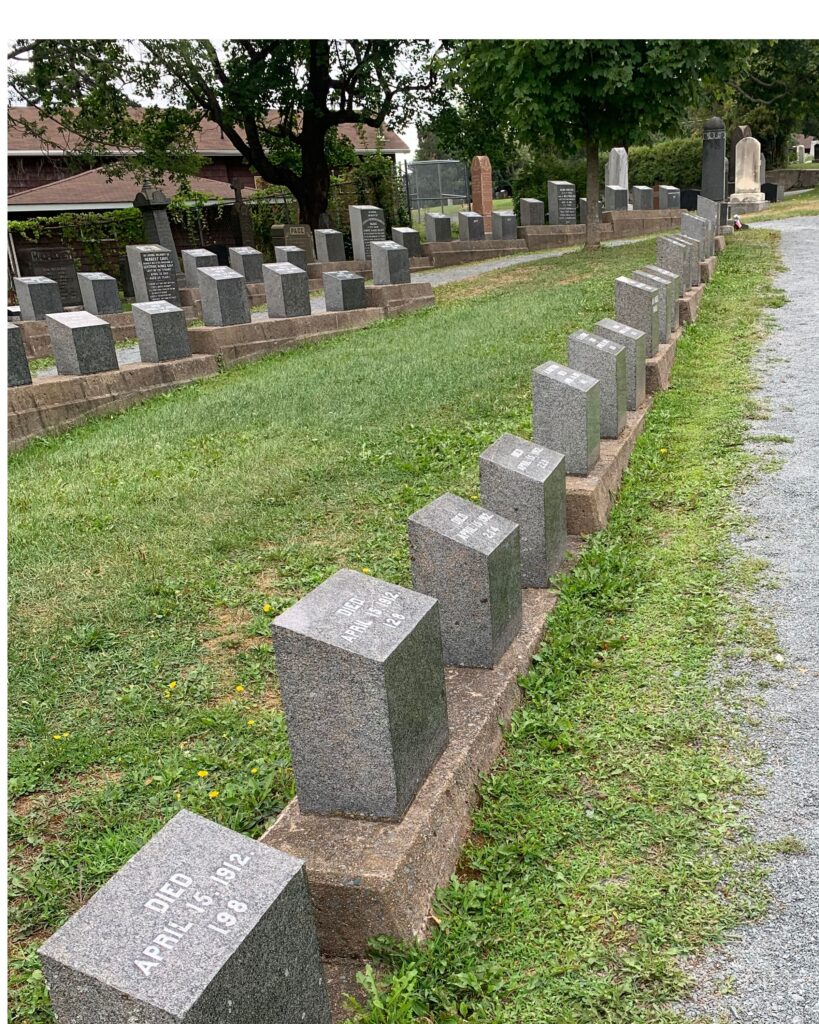
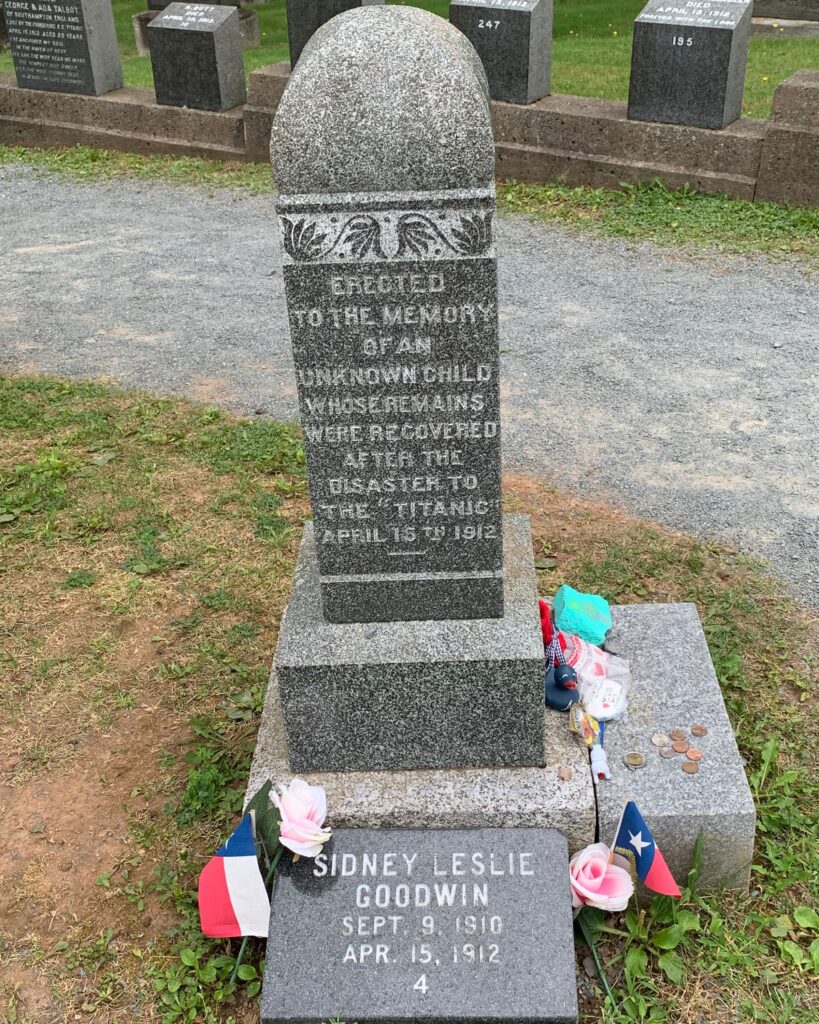
We wrapped up our visit to Halifax by playing tourist, starting with visiting Forest Lawn Cemetery, where over 100 victims of the Titanic’s disaster were laid to rest.
It was from Halifax, the closest city to where the Titanic sank on April 15, 1912, four ships were dispatched to search for survivors and eventually, collect victims. Most victims died from exposure due to the icy Atlantic waters, not from drowning, and the rescue ships and crew took great care to preserve whatever they could so that the victims could be identified. 209 bodies were recovered and brought to Halifax for burial, and each person, their clothing and any items on their person, were meticulously cataloged to aid identification. Many remain unidentified; however, in recent years, using modern technology, more victims have been identified, including the “Unknown Child”.
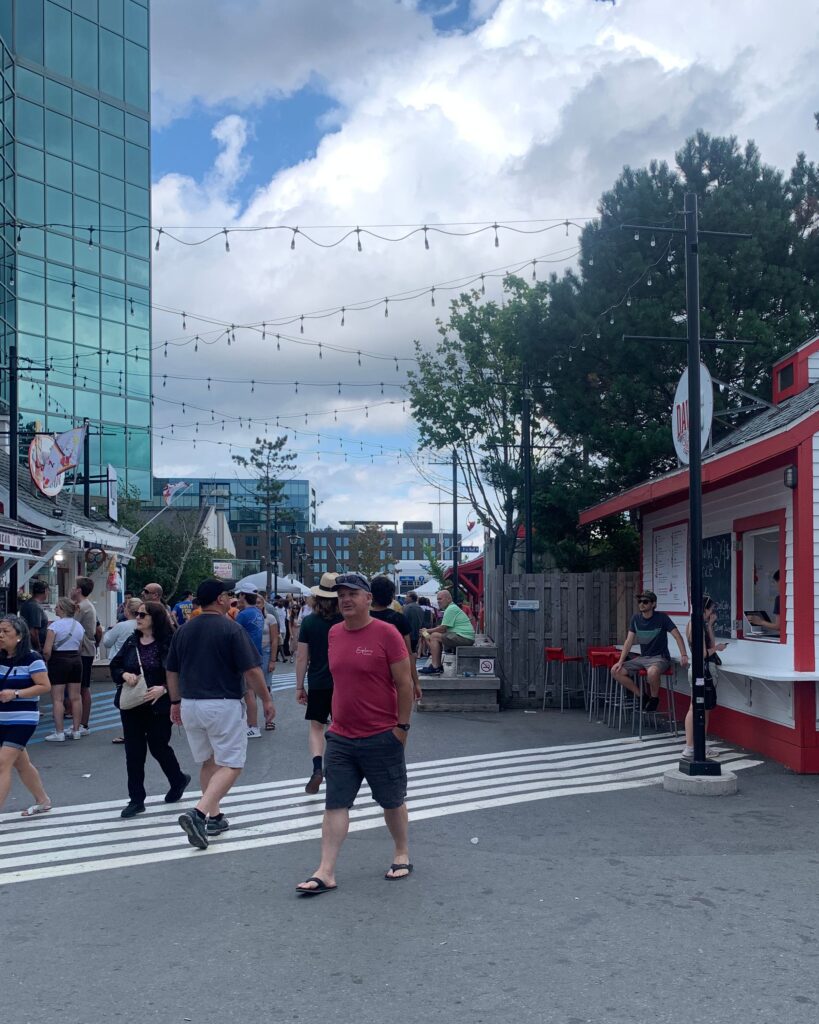
Onward to some more light-hearted sightseeing, we spent an afternoon in downtown Halifax enjoying the typical bustle of a tourist town, taking in the views, sampling Cows ice cream and a local distillery. It was great to see this beautiful city alive and vibrant with families and tourists taking in the waterfront.
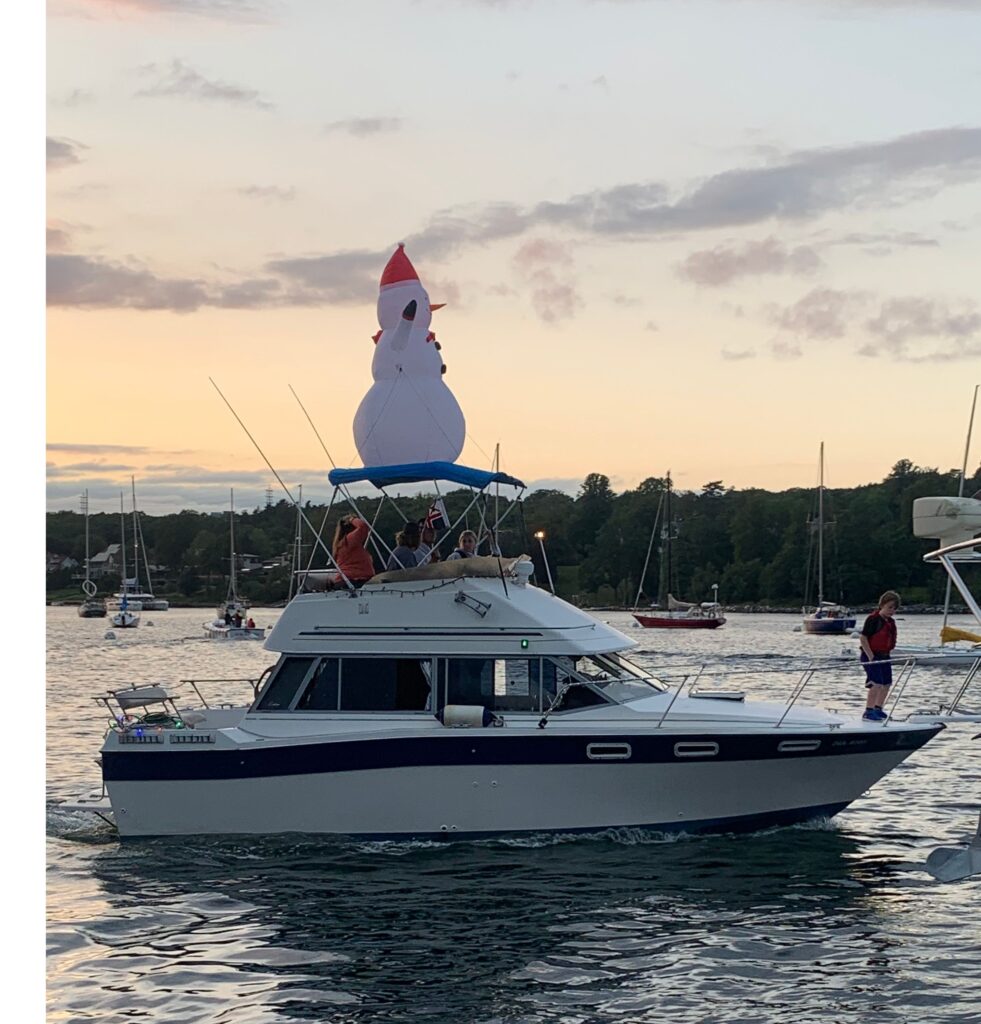
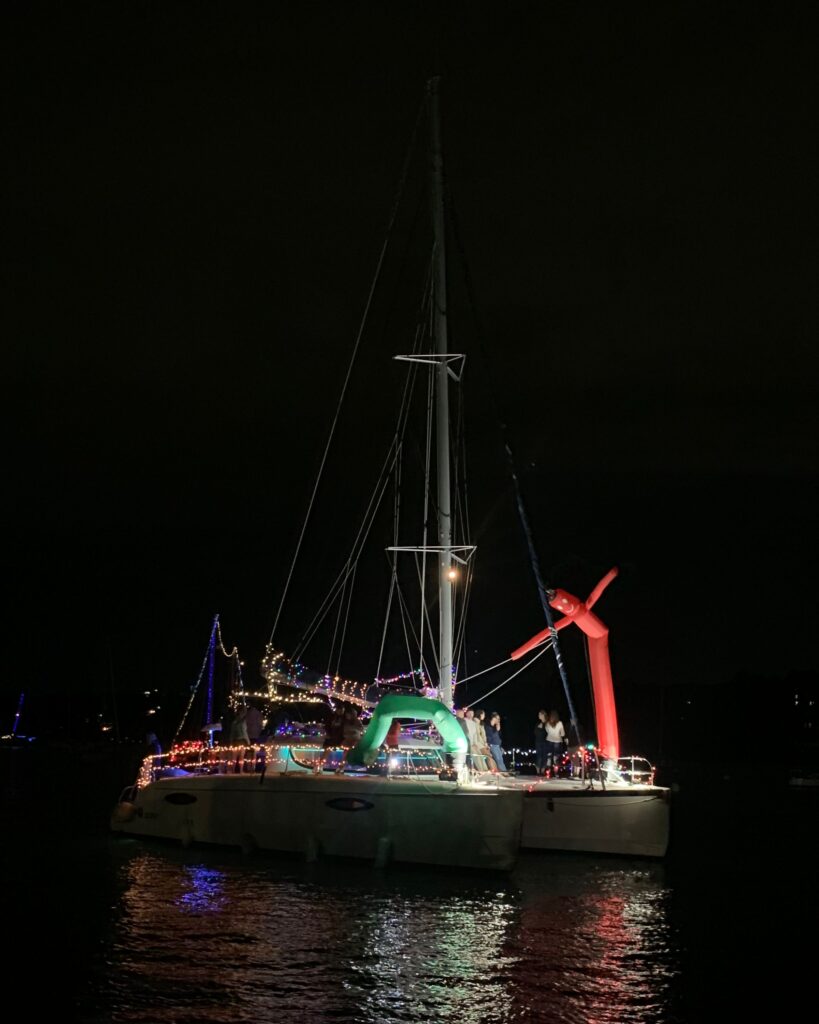
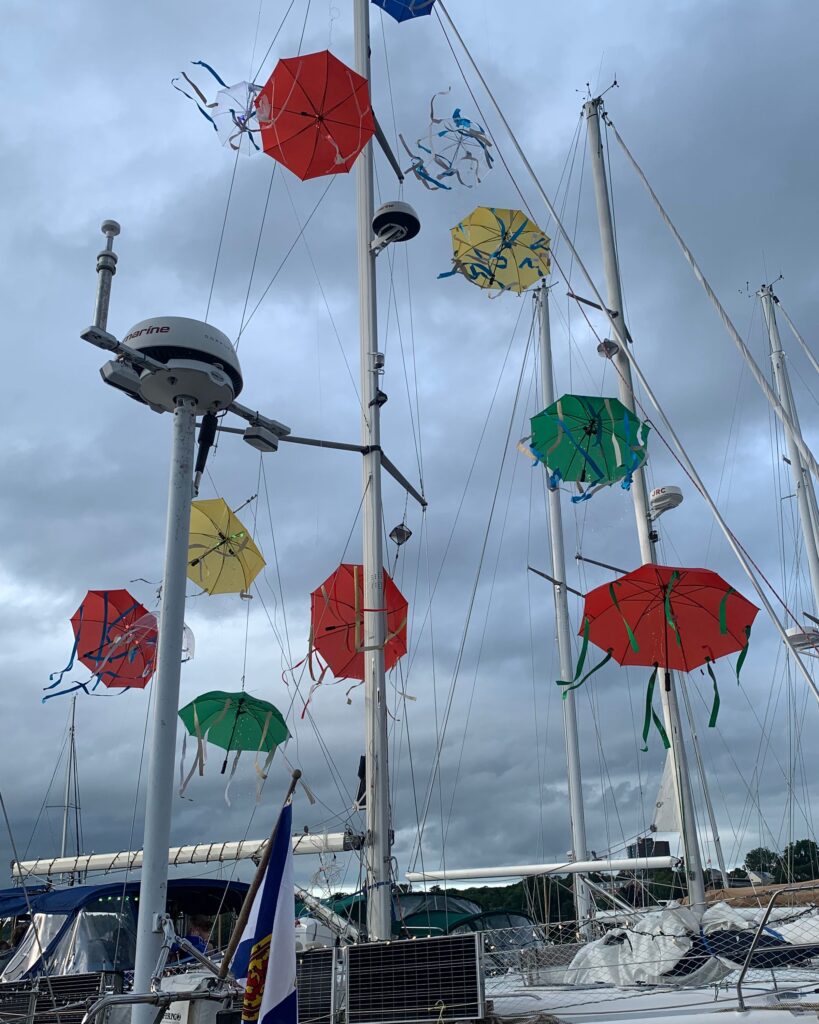
Our last day in Halifax was wrapped up beautifully with Venetian Night back at the Yacht Squadron. Nobody could tell us why they do it, but it’s a tradition on the last Saturday of August to dress up your boat with lights, banners, flags, umbrellas…. you name it….and go out in a long parade…..at least 50 boats, large and small joined the festivities. Afterward we were treated to a fabulous fireworks show, front row seats, right from the cockpit of our boat.
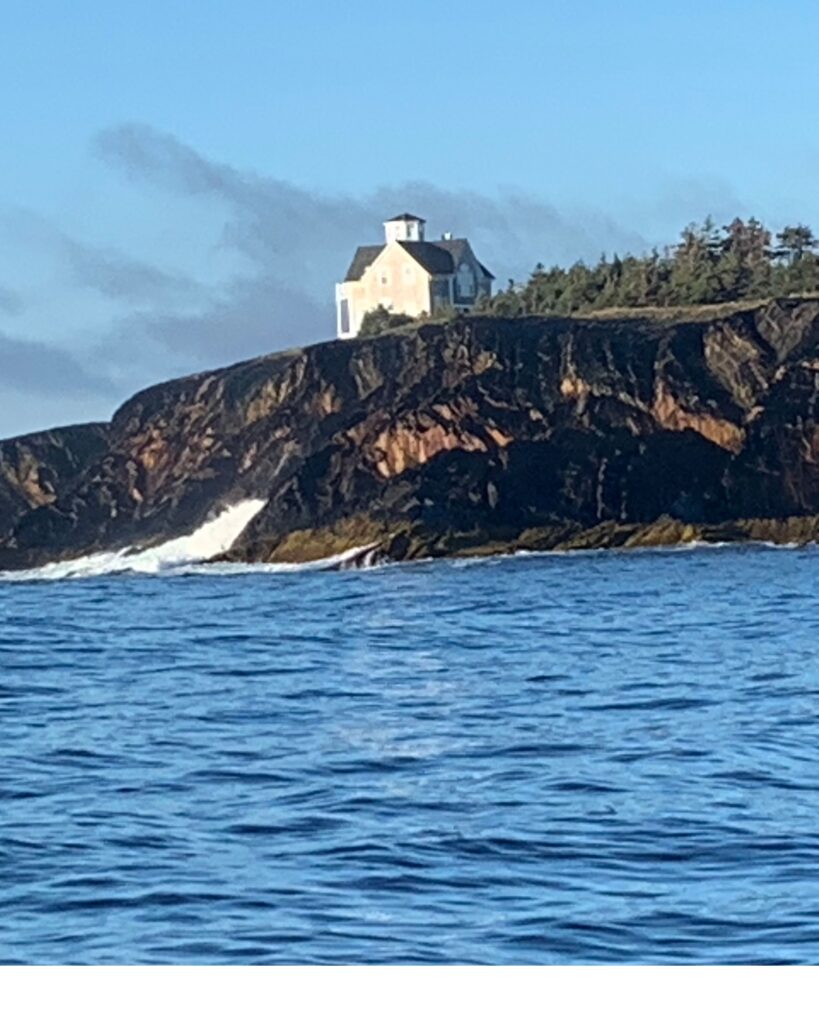
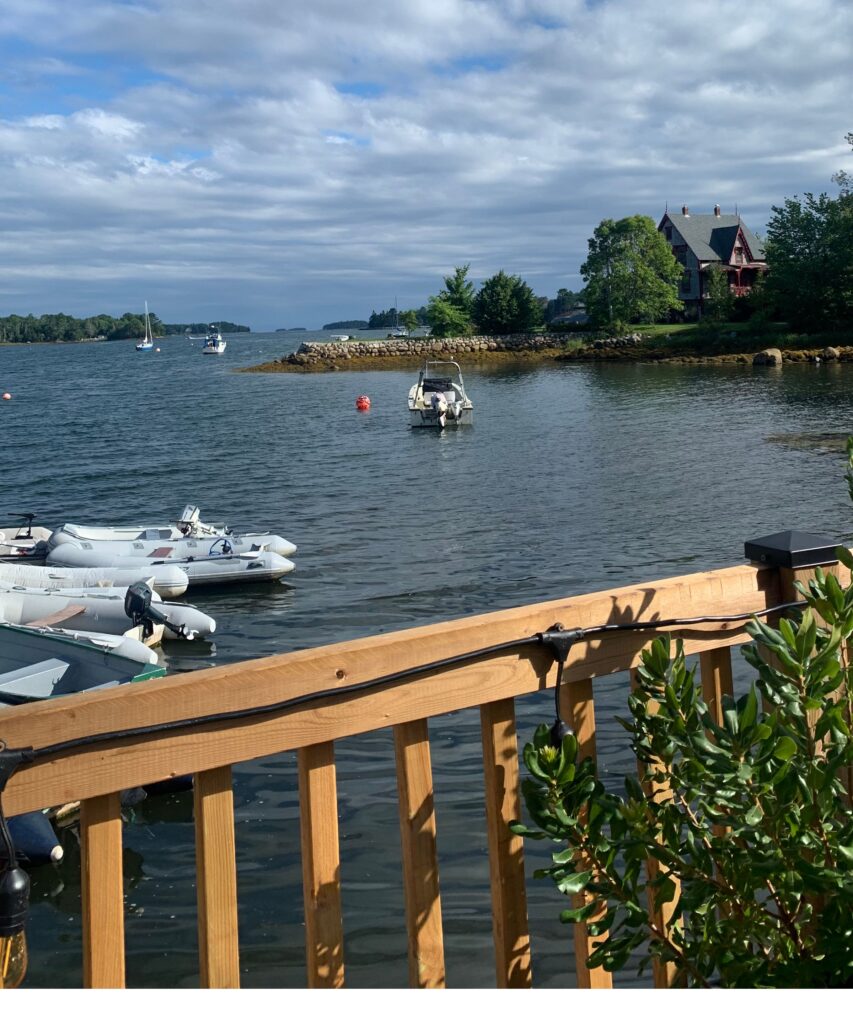
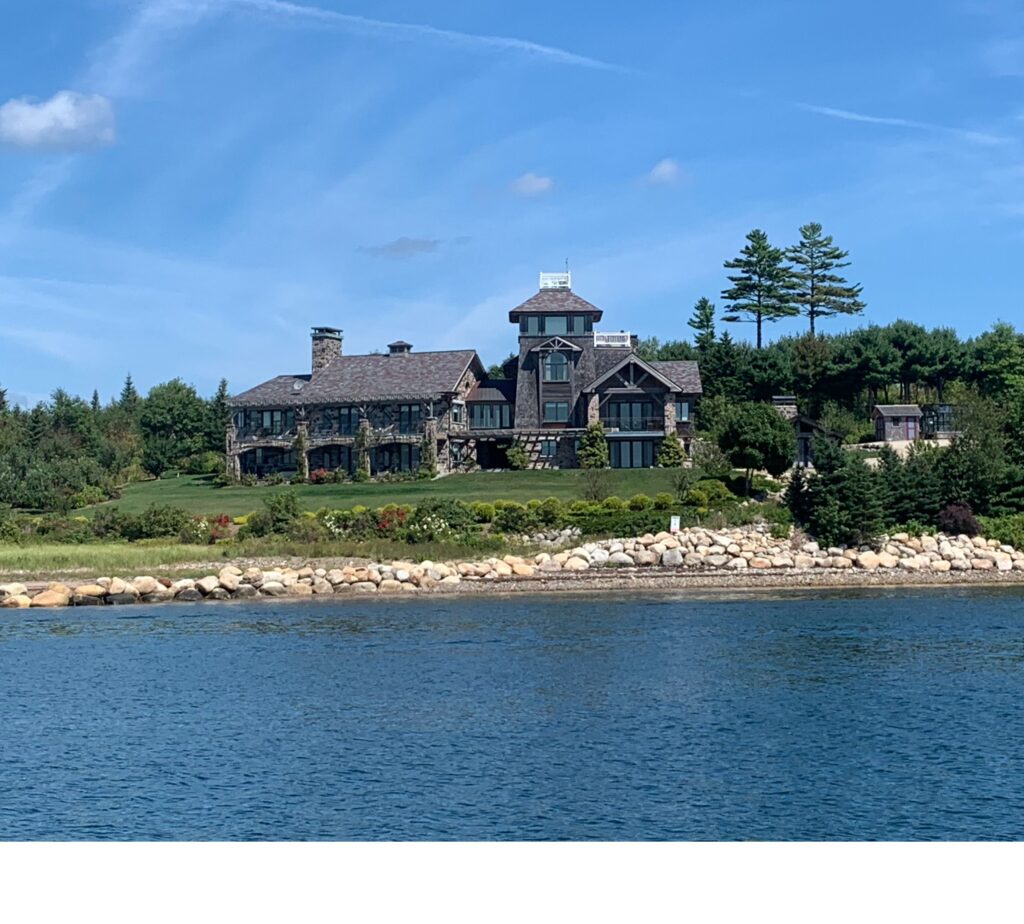
It was time to keep moving and next up was the “Bluenose Coast” (or perhaps I should say “blue blood”) of Nova Scotia as we visited Chester, Mahone Bay and Lunenberg. In addition to the specular natural beauty of rocky shores and dense forests, this coast is loaded with jaw-dropping mansions. We’re told many are owned by wealthy east coast Americans, and the money is definitely “old”. As we strolled through these towns, that are still quite charming and beautiful, we saw they have become major tourist traps. In Lunenberg there were at least 3 tour busses in town and every single restaurant had hour-long line-ups for lunch. I wonder if they will soon be like Venice, Italy, a victim of the tourist dollar, making the locals resent the very people that make it prosperous. I certainly hope not.
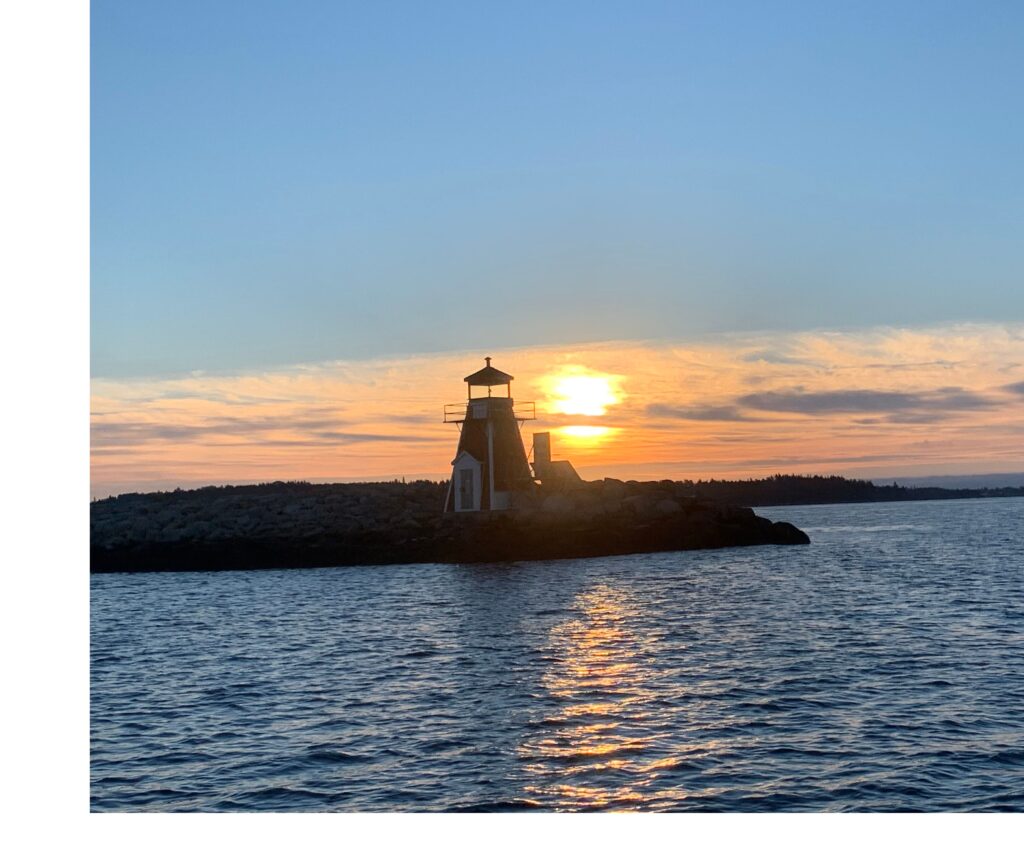
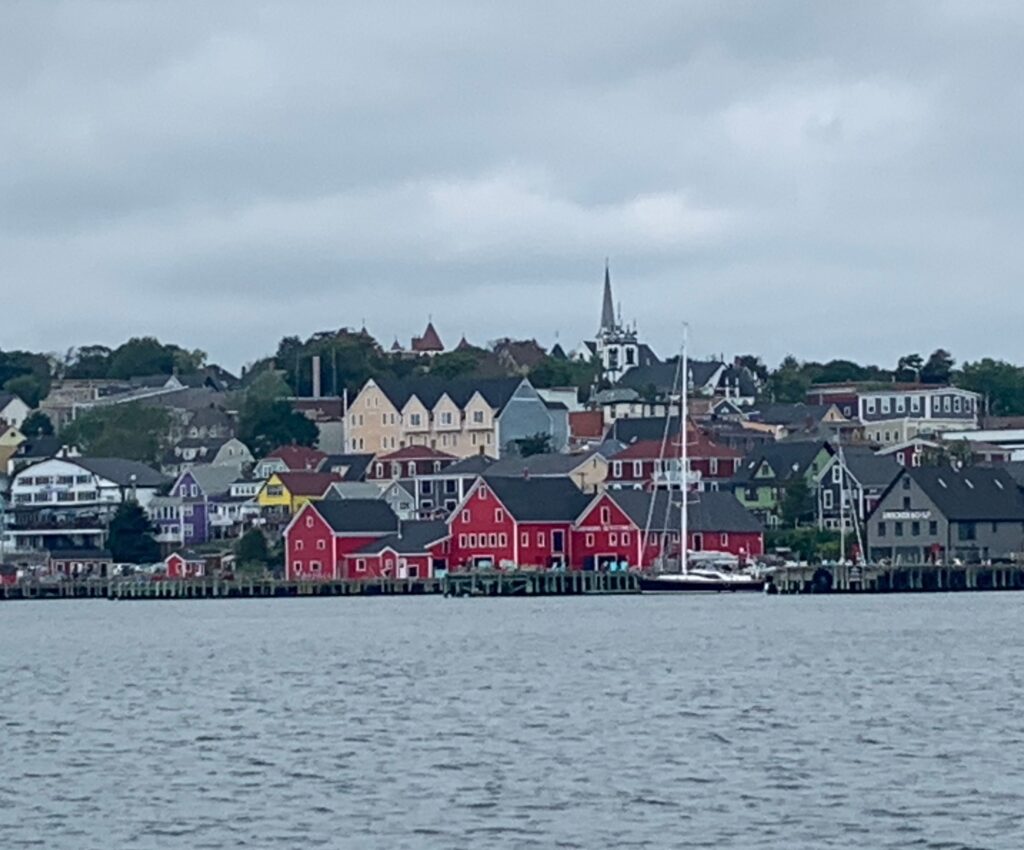
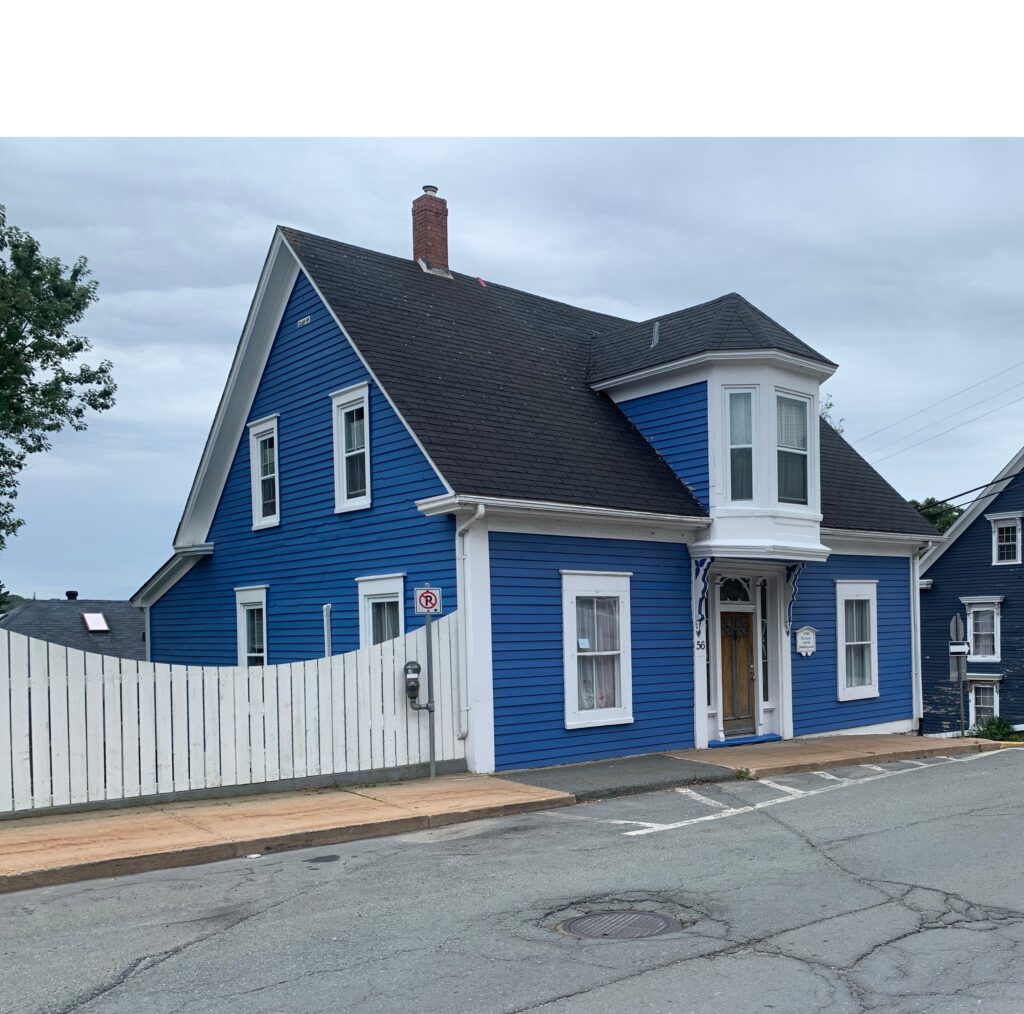
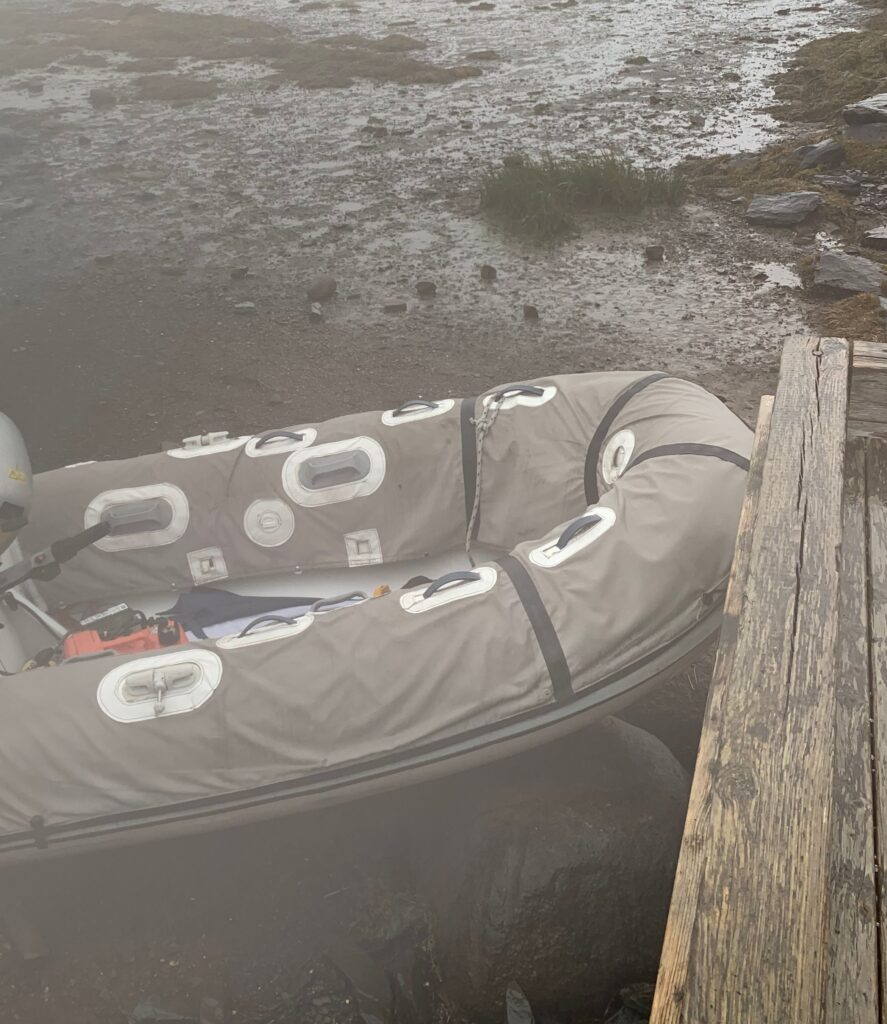
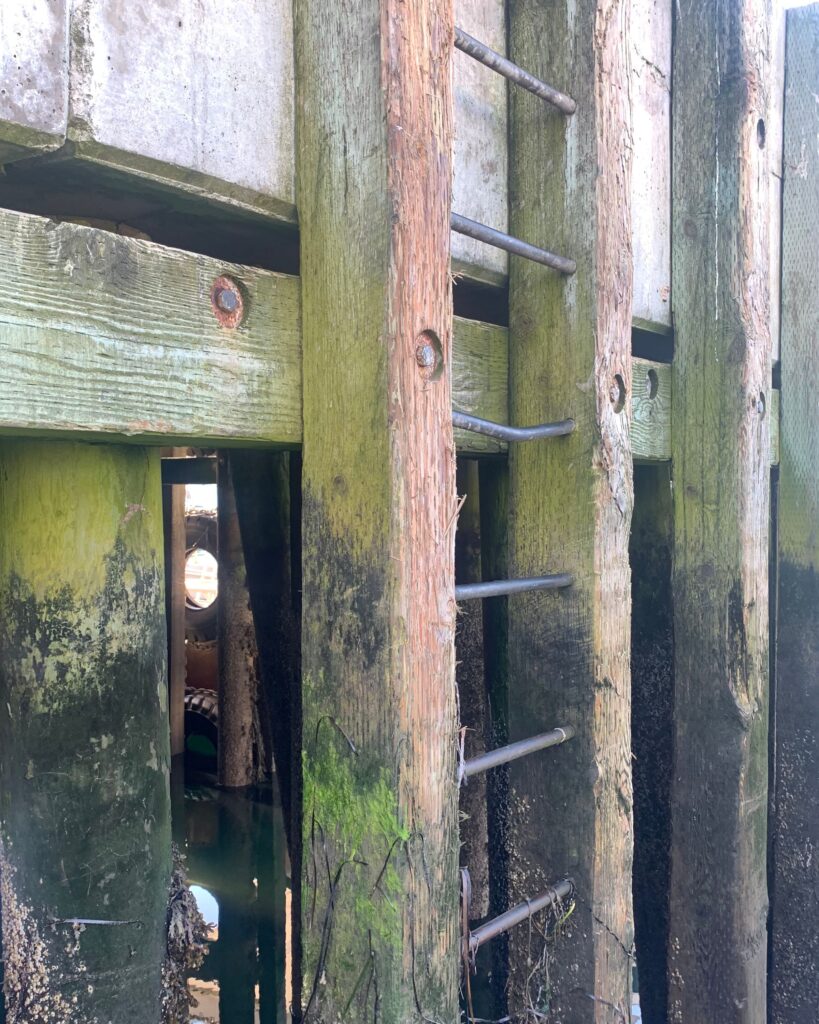
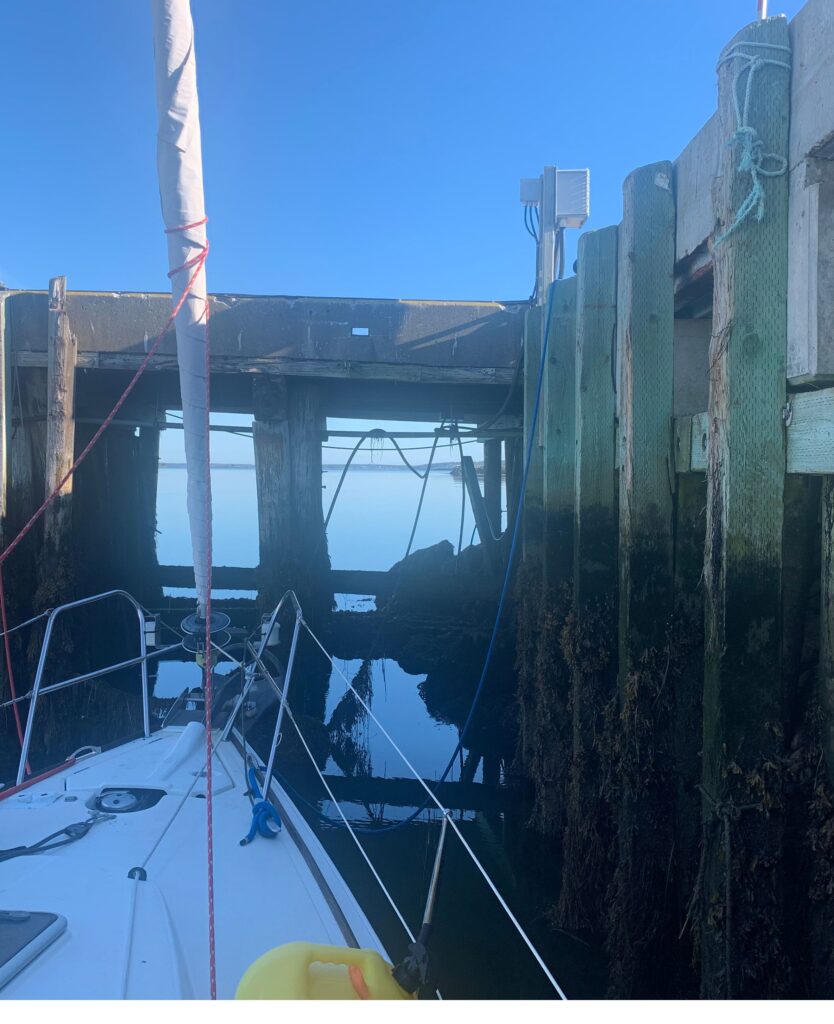
Lunenberg also provided a chance to meet some friends from Ontario, Peter and Zee, who moved to the area earlier this year. We met for lunch and they graciously drove us to a larger town to fill a propane tank and pick-up some provisions; however, when we returned to our docked dinghy, we learned another valuable lesson – just because there is a public dock, do not assume it will be usable in low tide. Our dinghy was settled on large rocks at least 20 feet from the water. Nothing to be done except wait the 5 hours until it could float again.. Peter and Zee brought us to their home, fed us, and then took us back and helped carry the dinghy the final 5 feet to the water.
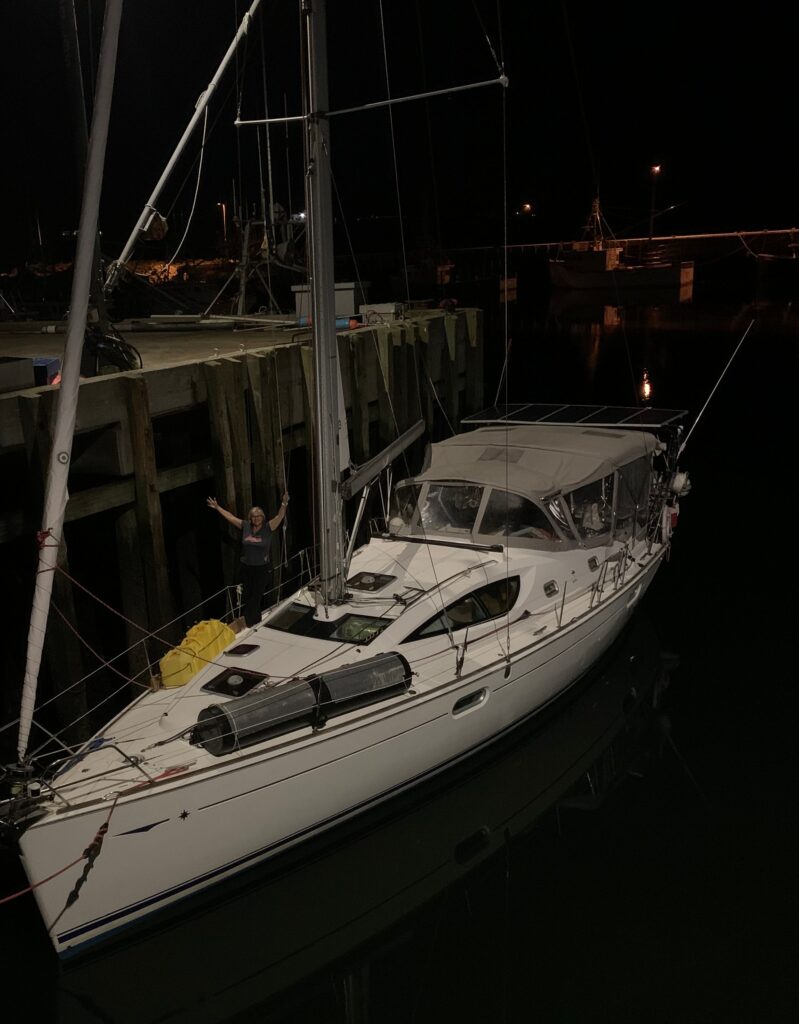
As August ended and September began, we felt the pressure as the seasons changed. We were still enjoying sunny days and blue skies, but nights were getting cold and the Atlantic will not wait for long – Fall was coming fast and we needed to move faster. As we moved southwest along the coast we began to plan another big crossing, across the Bay of Fundy, from Nova Scotia to Maine, USA. This would be another overnighter, with just the two of us on-board, dealing with some of the strongest ocean currents and craziest tides on Earth.
Thank you so much for writing this fabulous blog!
Thanks Andy!
So crazy that your fridge broke! Glad you were able to get it fixed 🙂
We were relieved!
Lots of adventures some good some bad. Enjoy Maine and the great food …lobster, my favourite . I hope you get to see some whales they will be heading south soon for the winter. . . Something like me. Look forward to your next post. Hugs Naireen
You sure bring it all to life!