
As we left Beaufort, North Carolina (pronounced BOW-fort) we returned to the “highway” and re-joined the very busy Intercoastal Waterway (ICW). Traveling the ICW, especially on a weekend, is not very different than travelling Highway 401 in Toronto. Boats – fishing boats, sailboats, mega yachts, pontoon boats – travel this waterway coming and going in all directions. Many are like us, cruisers heading south for winter or going north, heading back home, but most are locals enjoying a weekend on the water. The majority of these boaters are considerate and easy-going, hailing a slower boat on the VHF radio and requesting to pass and then slowing down to avoid making a big wake. We usually wave to each other as we pass, sometimes shout out something friendly, especially if the other boat is flying a Canadian flag. We often get a comment and a laugh about our boat name, Meshuggana, by someone who knows what it means (it means crazy person). And then there are those boaters who blast by full speed, creating a wake big enough to make anything not secured go flying and likely causing damage to the shoreline and docks. These boaters are often hailed on the VHF and called names that are not appropriate to print.
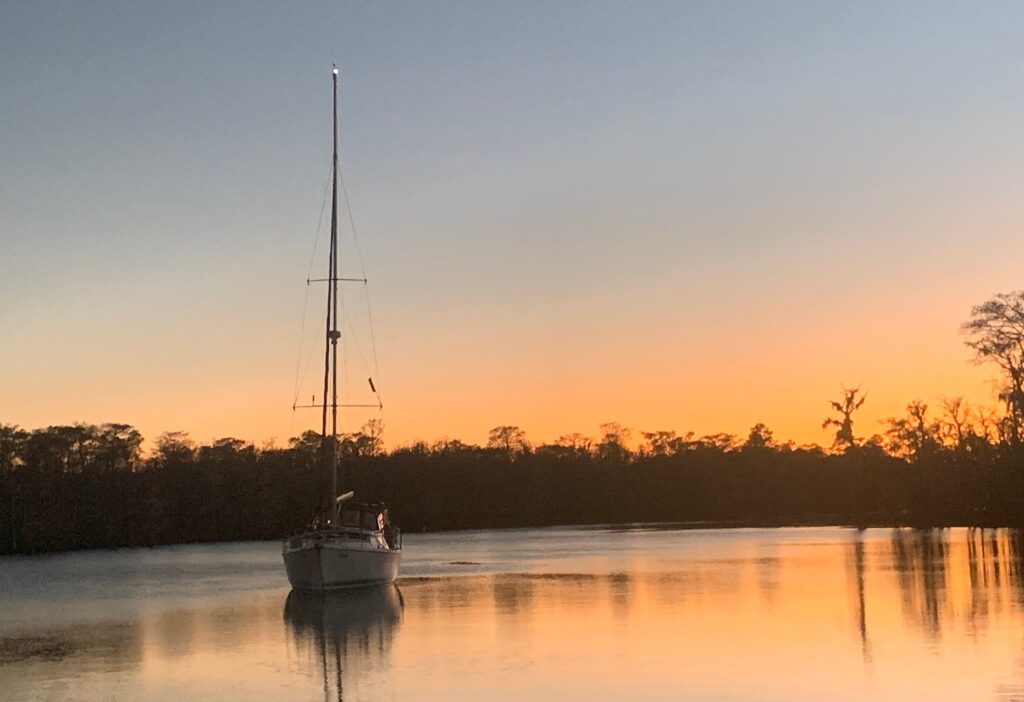
As the ICW becomes busier, the anchorages are becoming more crowded too. So far, we’ve been able to find safe and secure spots to drop our anchor every night, though sometimes we share space with many boats and need to be vigilant about calculating swing room – keeping a safe distance to other boats so as we swing with wind and currents, we don’t hit each other. Once anchored, we watch our surroundings for at least a half hour to make sure we are set well and maintaining good distance from neighbors.
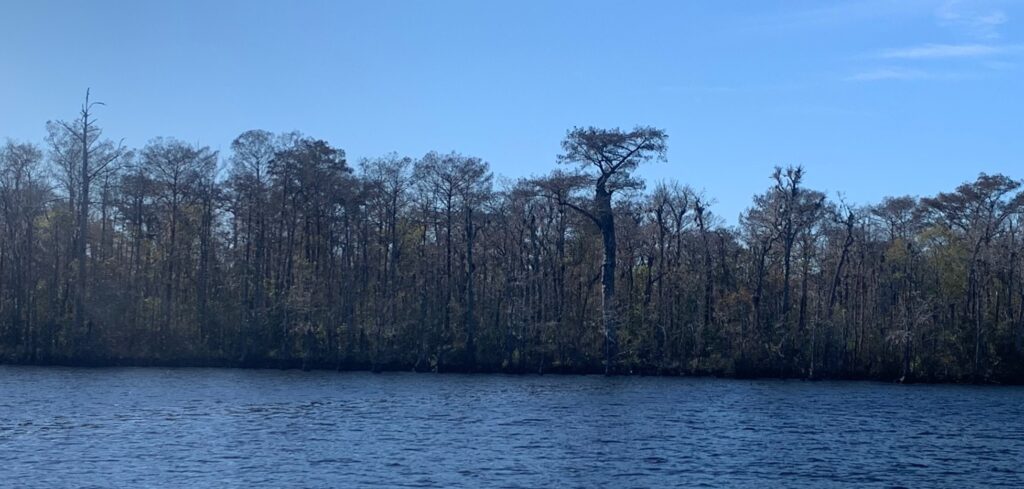
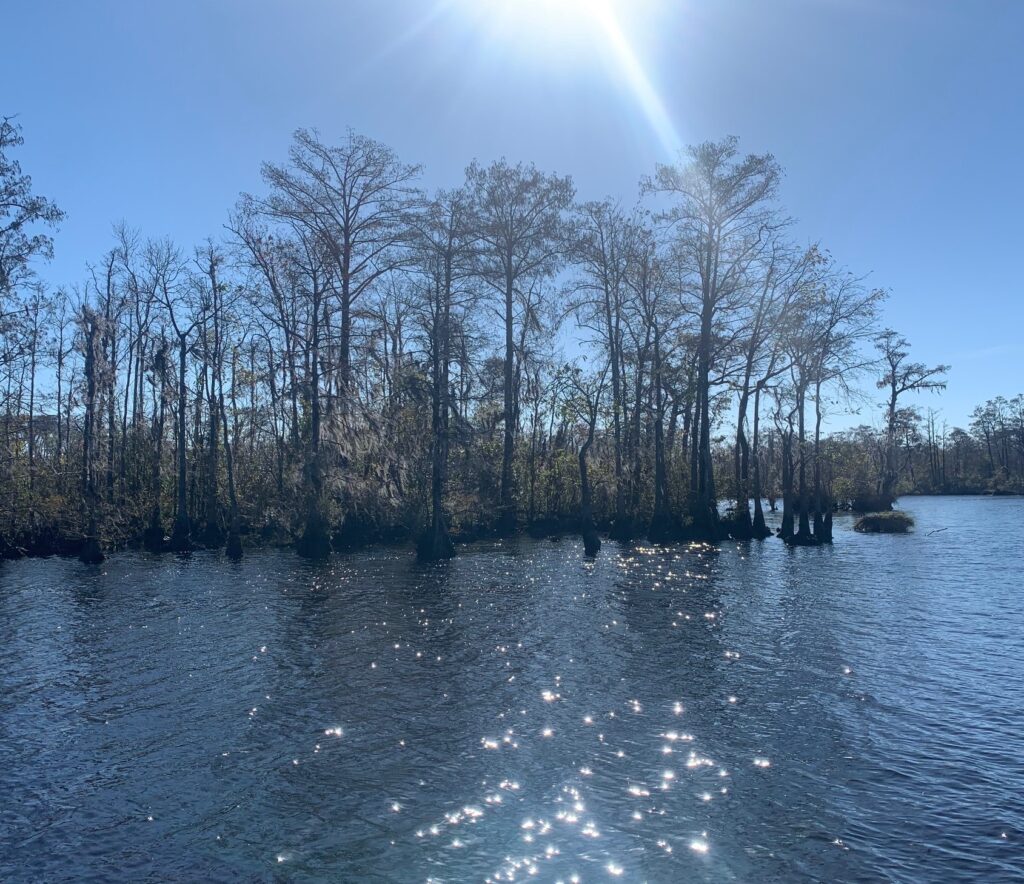
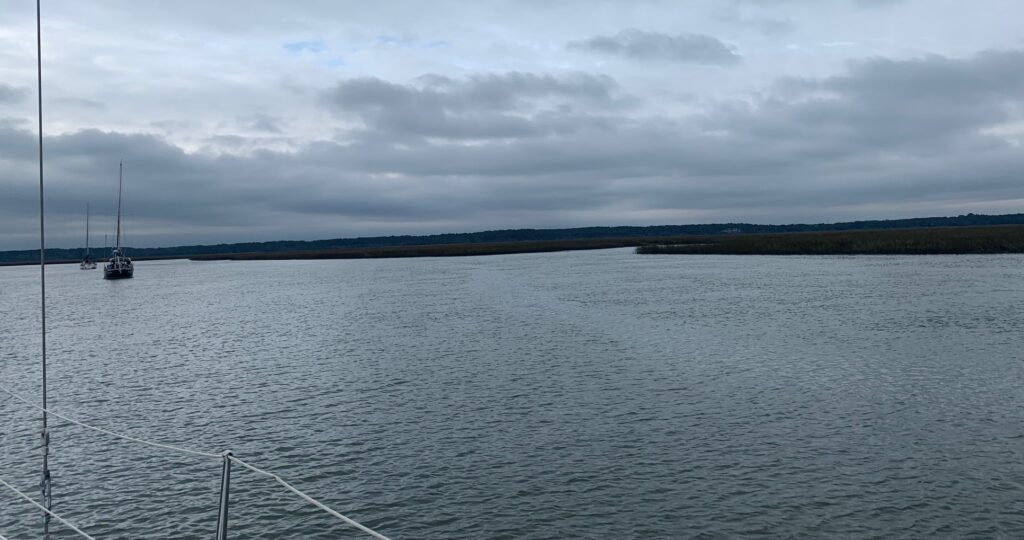
The anchorages along the ICW continue to be very different from what we are used to in the Great Lakes and we continue to learn more about tides and the crazy currents that accompany them. Mile Hammock Bay, NC is a huge, calm bay surrounded by forests (and Marine Corp Camp Lejeune); however, it is close enough the Atlantic to hear the waves breaking on the beach.
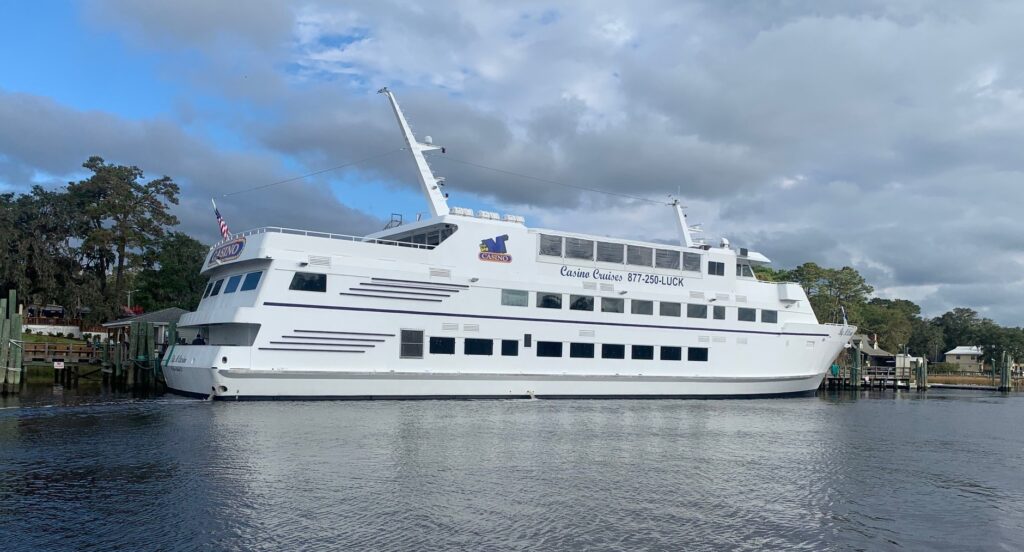
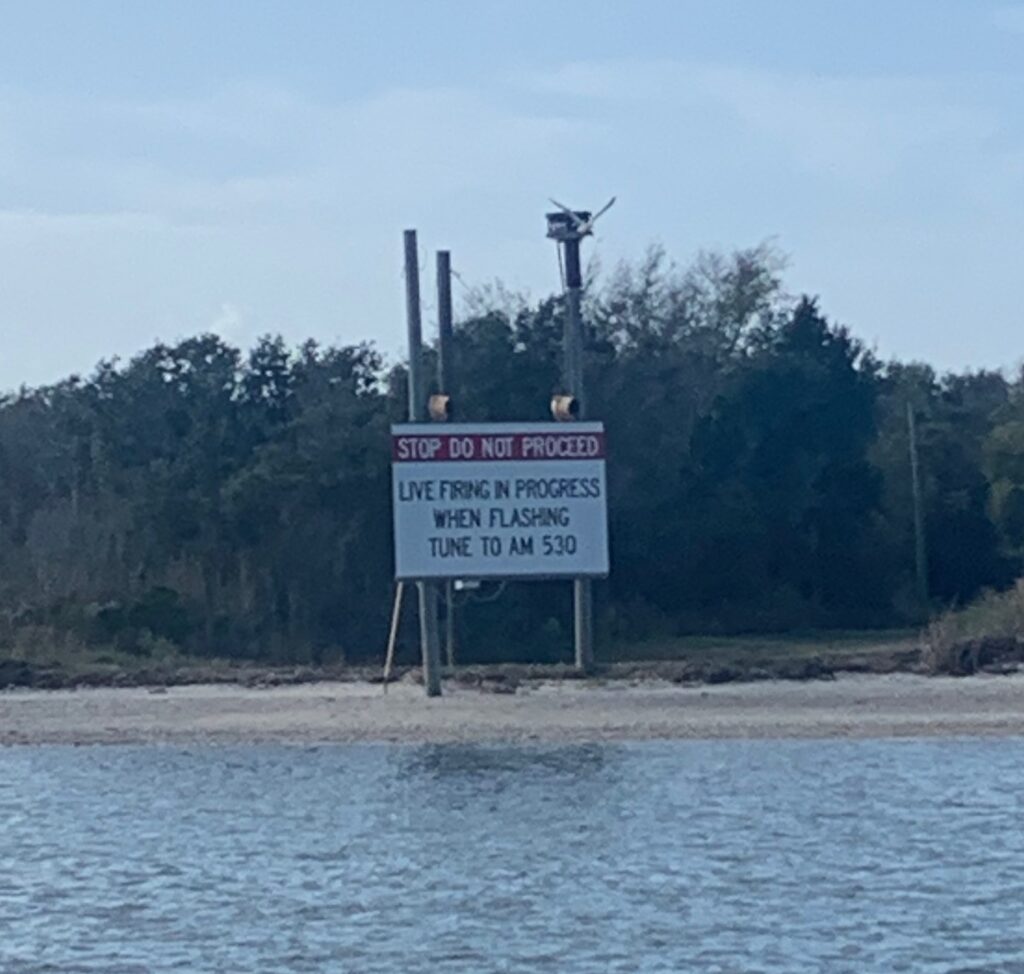
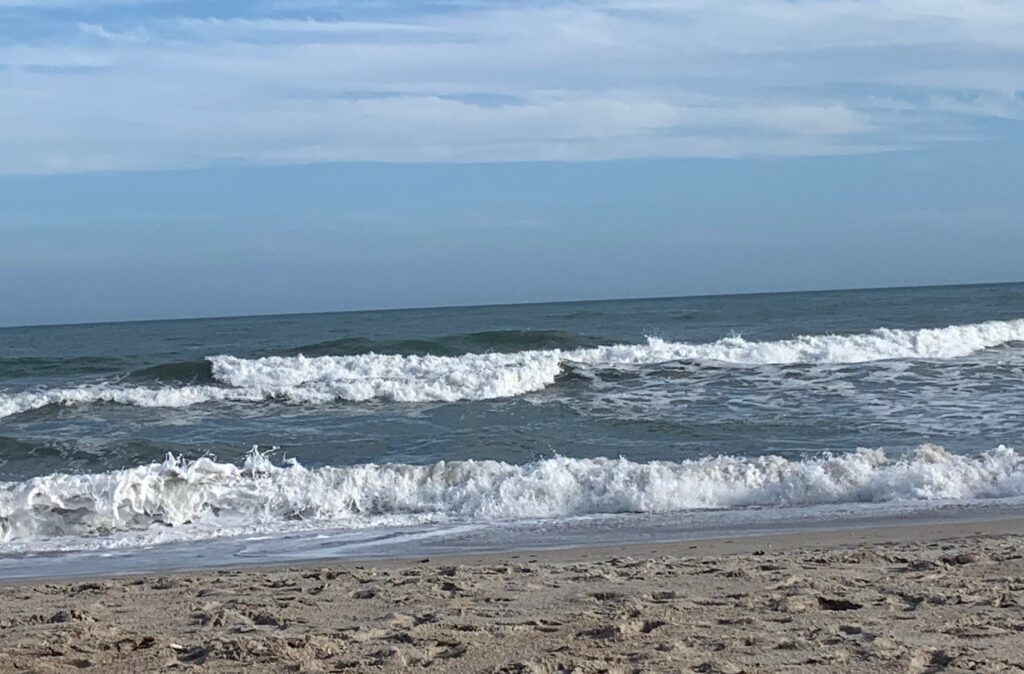
Wrightsville Beach is a bustling beach resort town with massive amounts of water traffic, creating constant wakes that rocked us from dawn to dusk. When the sun set and the boaters went home, the currents took over and swung us 360 degrees around the anchor. We did get off the boat for a few hours and enjoyed a sunny beach day, toes in the sand and playing in the surf, but could not swim because the ocean was already churning – Hurricane Nicole was on the way and this would be the last day for quite some time that we could breathe easy – our 3rd hurricane this season! (for those counting, we also had Fiona and Ian).
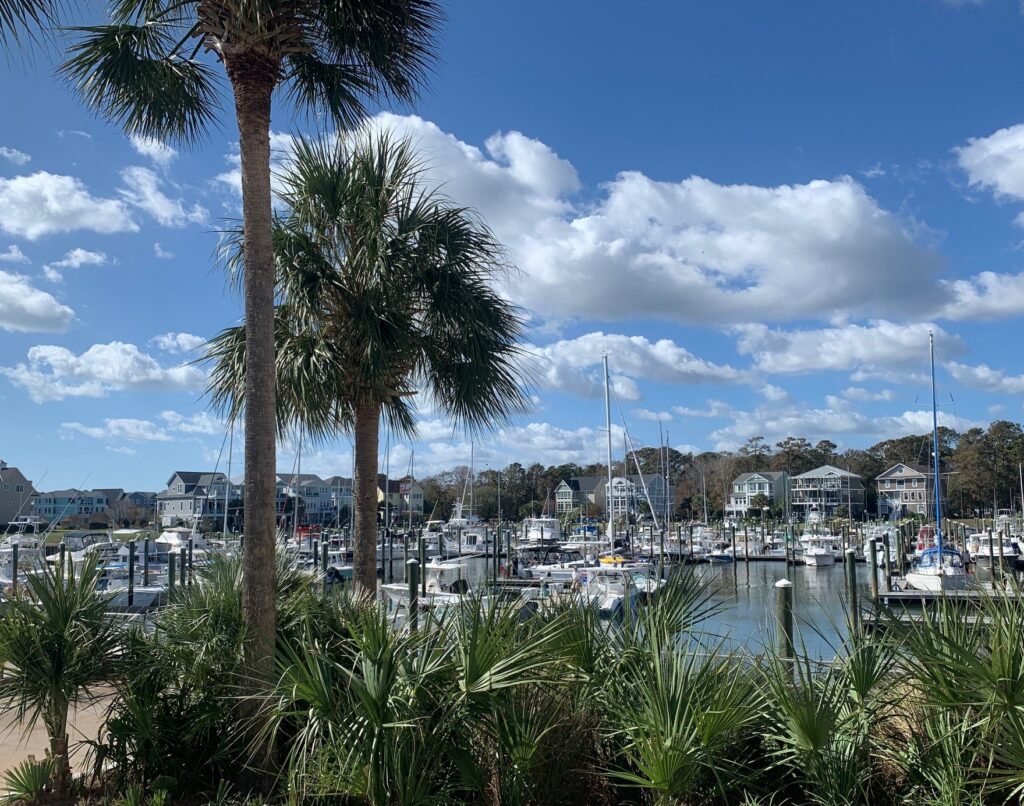
Our next stop was near Southport, NC where we secured a slip in the very well-protected St. James Plantation Marina. This marina is just off the ICW, down a narrow channel, surrounded on all sides by modern 3-storey condominiums. We tucked into a slip, tied off the boat in every direction possible and the marina staff, experienced with hurricanes, came by daily to inspect boats to insure everyone was properly secured. We were ready to meet Nicole!
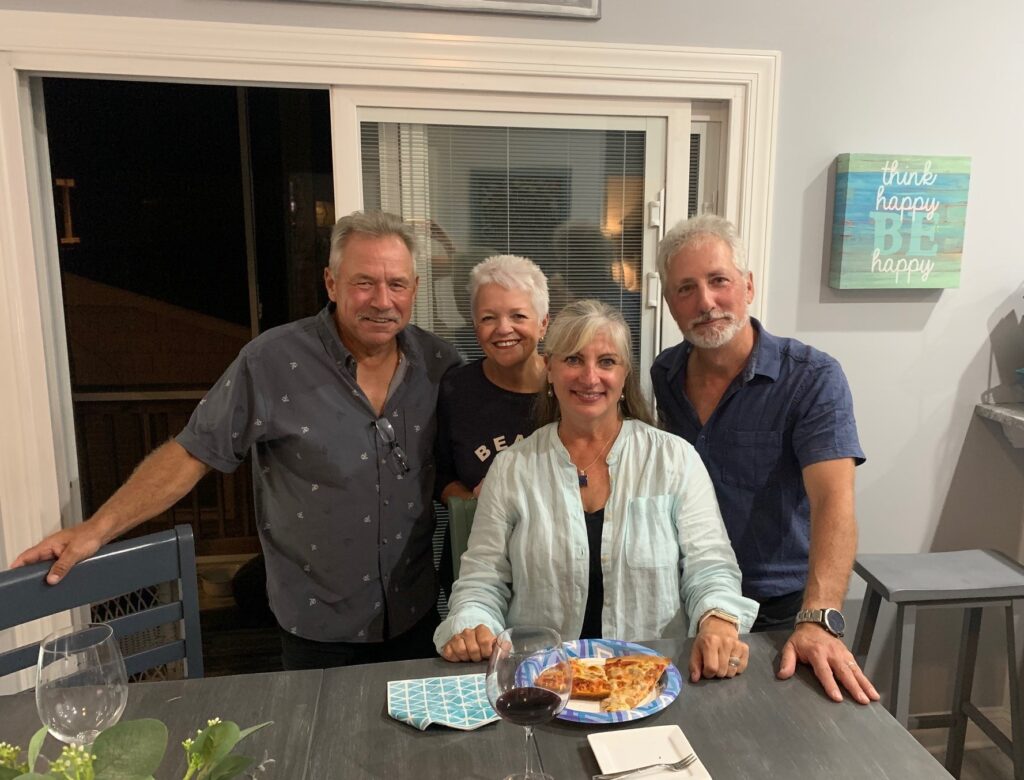
A fabulous bonus of this location was having close friends nearby – Pete and Nancy live on Oak Island, 15 minutes from the marina and graciously hosted us in their home and even lent us a car so we could get around for the few days we were there. During our 5-night stay in St. James, Nicole mercifully changed course and her damaging winds missed us completely. We were lucky again, and with our hearts full from spending time with Nancy and Pete and meeting some new friends, it was time to move on again. We were now halfway through November; hurricane season almost done and hopeful Nicole was the last one.
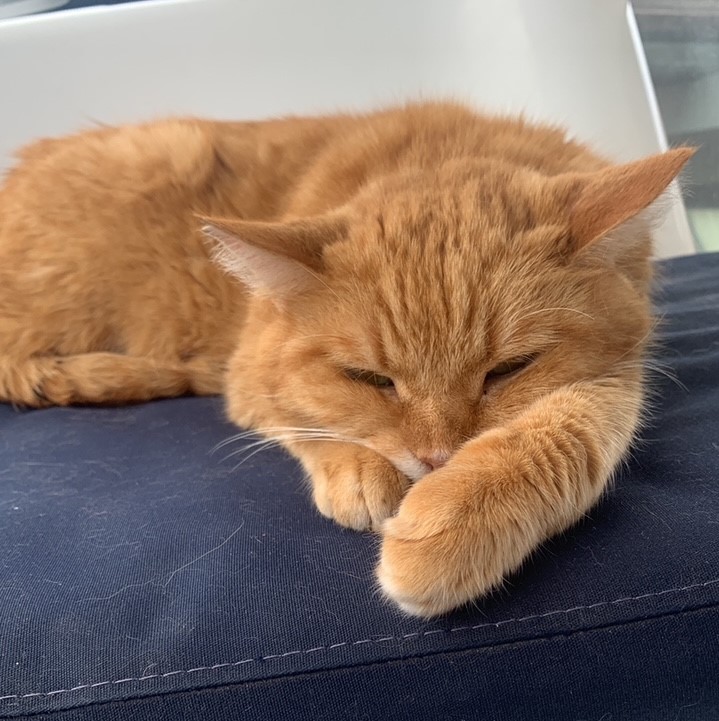
As we continued our journey into South Carolina, and we passed through one of the prettiest parts of the ICW. Much of the ICW here is surrounded by dense marshes and lush Cypress forests. We anchored in small coves with deep water, surrounded by the Cypress trees, dripping Spanish moss, listened to bird-song and watched the as the birds hunted for their dinner. Nights in these anchorages were peaceful as local boat traffic tends to stop at dusk, but the nights were getting cold. Some nights we had lows in the 30’s and since we can’t run a heater at anchor, we had to get creative to stay warm. One of the best solutions is to fire up the propane oven, bake something for dinner and then follow up with a batch of homemade cookies! Long underwear, heavy socks and Cat Stevens tunneling under the blankets made sleeping more comfortable too (he hates the cold and always finds the warmest spot in the boat).
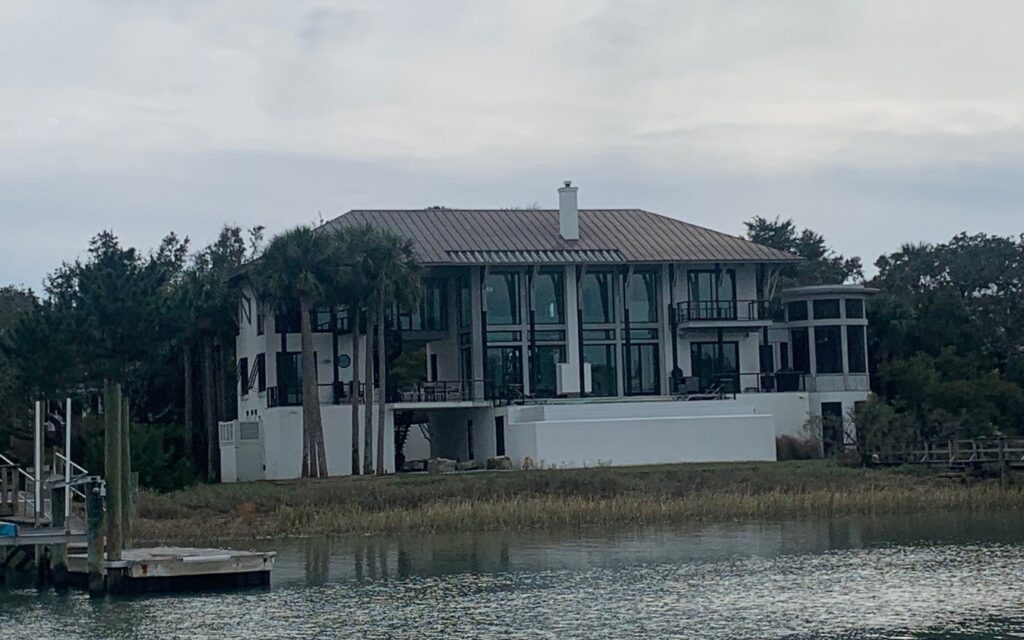
When we weren’t traveling through scenic South Carolina forests and marshes, we were surrounded by premier golf country. Myrtle Beach is well-known for its beach and golf resorts, and the ICW runs right through them. Many times we were tempted to shout-out “FORE” as we passed a golfer setting up a tee (but we didn’t), but perhaps most impressive were the mansions lining the waterway. Up until now we thought we’d seen some big homes, but the homes in Myrtle Beach are in a category of their own. Gargantuan homes with multi-level infinity pools, cascading waterfalls, private docks holding up to 8 boats and massive retaining walls (to keep them from falling into the water) that had to cost at least a half million dollars, stretch along the ICW for miles.
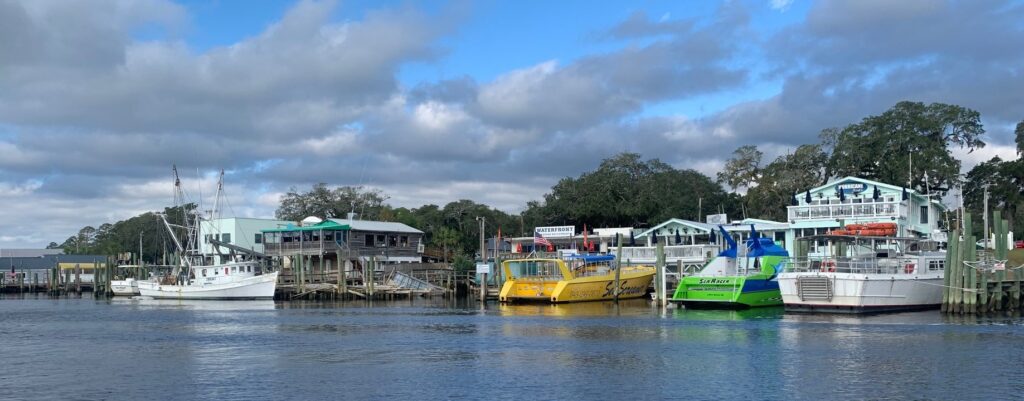
Georgetown, SC is a town of contradictions and was a memorable stop. As you enter the narrow harbour about a half mile off the ICW, the first thing you see is a steel plant billowing steam/pollution(?). It’s not pretty; however, we heard that Georgetown was a worth seeing so we continued further in. Then we noticed several derelict boats in the harbour, some still had people living on them, but others are clearly abandoned, half sunken and tattered. We maneuvered around them, going deeper into the harbour to find a good spot to drop the anchor.
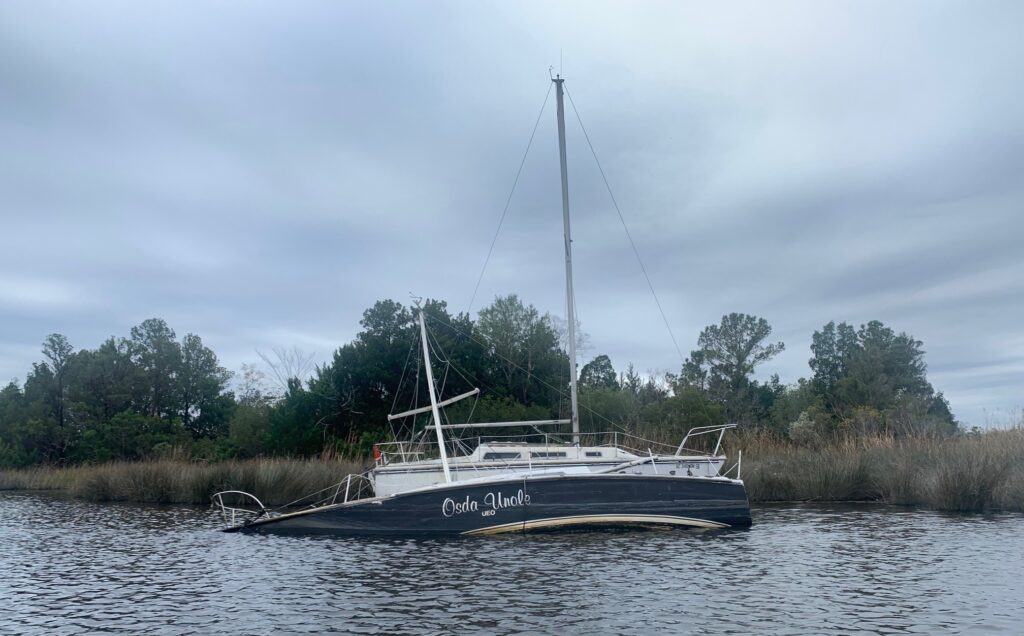
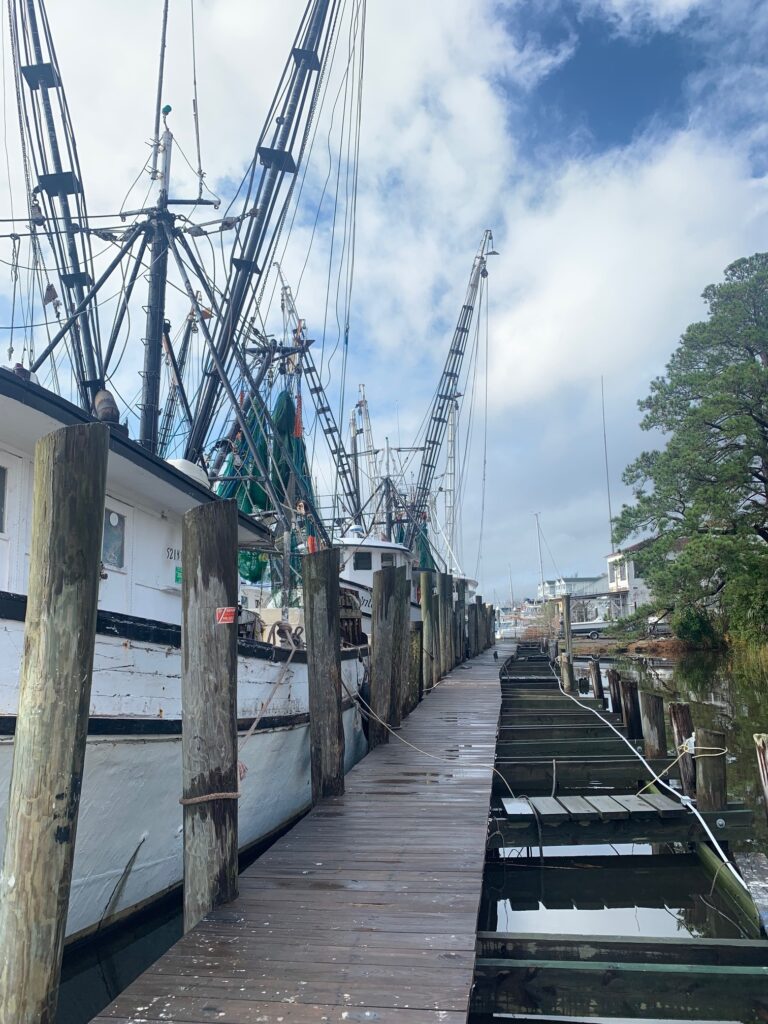
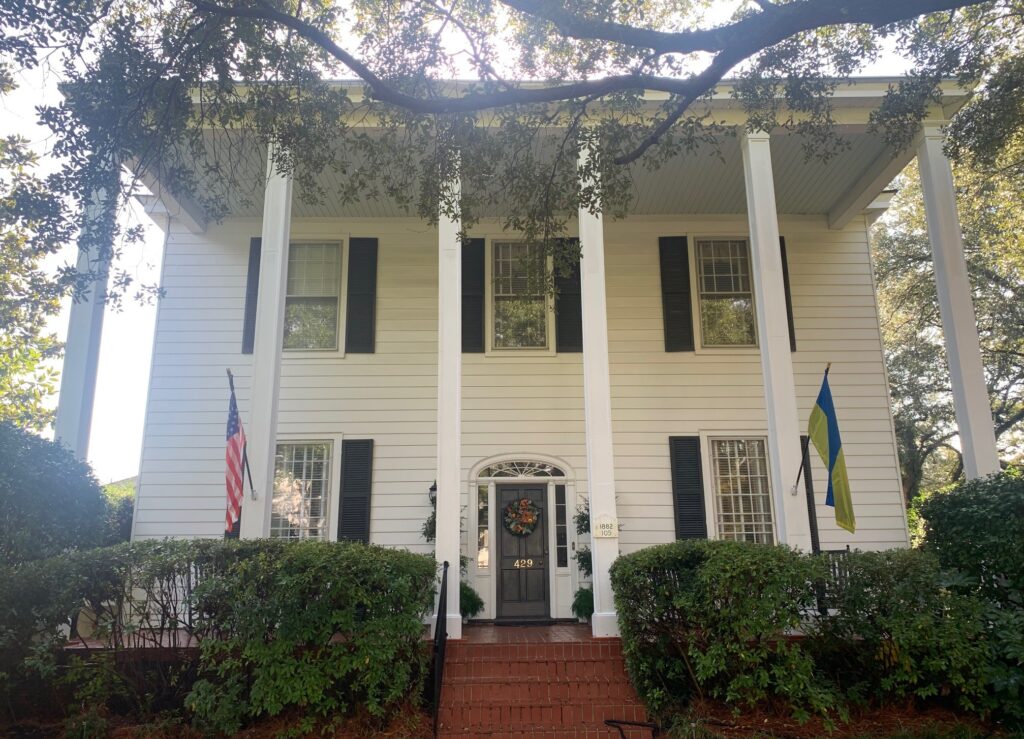
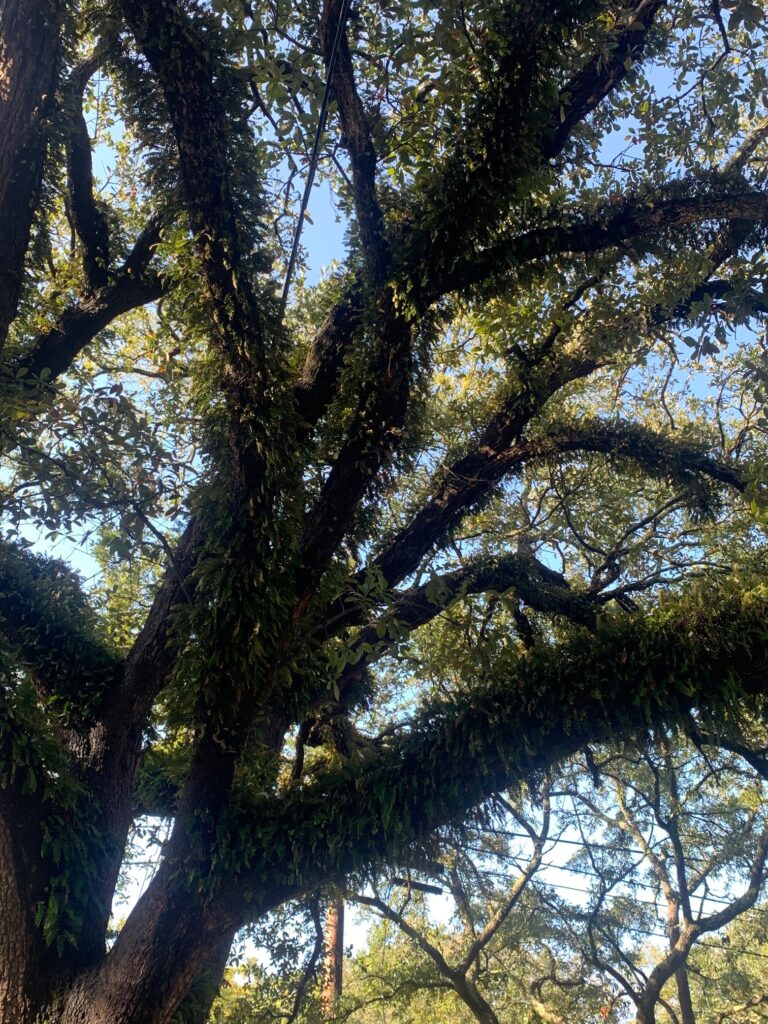
Then we saw the charming boardwalk along the town’s waterfront and went exploring. Judging from the number of closed storefronts, Georgetown has seen better days, but it still has several nice shops and restaurants on the main street as well as a really good maritime museum. But the best part of Georgetown are the surrounding streets, lined with majestic Carolina oak trees and beautifully restored and maintained colonial era homes. The Georgetown we found was not what we expected as we arrived, but we are very happy to have discovered this hidden gem.
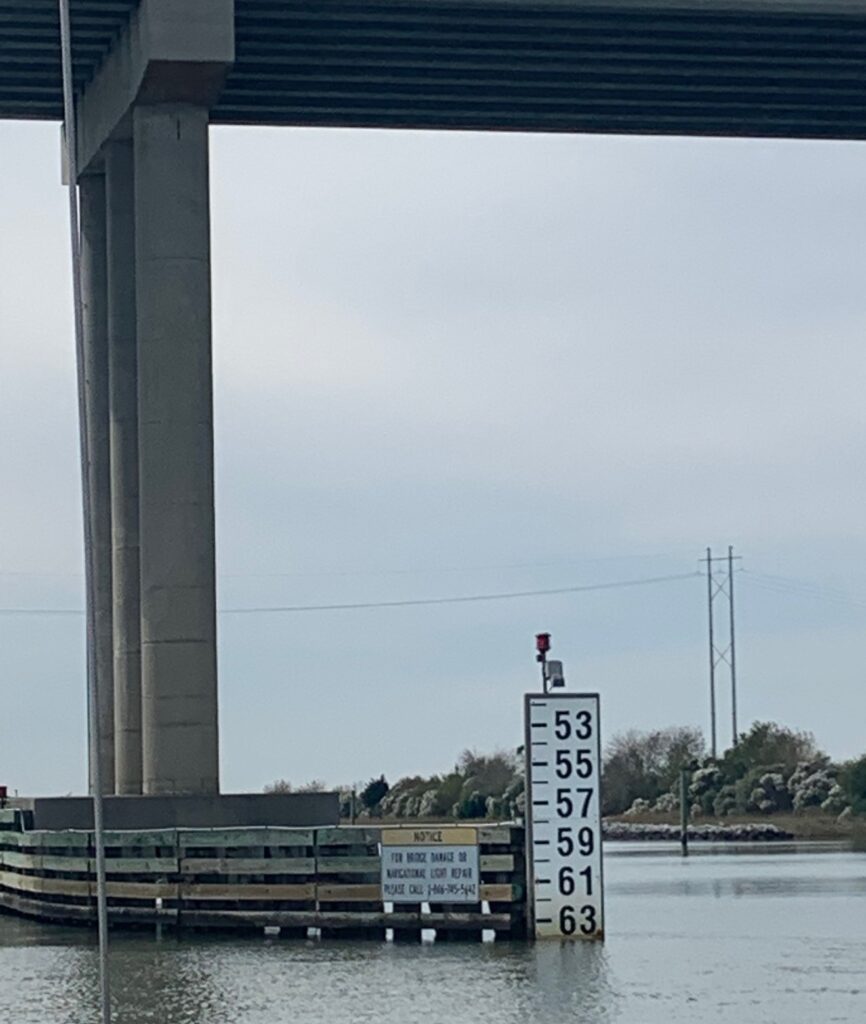
We rounded out our South Carolina journey in Charleston, but the last few miles of this trip required careful timing of tides and currents. A short distance from Charleston is an area called Isle of Palms. It’s a busy area with many modest homes, marinas and restaurants. It has two bridges and a nearly 3-mile stretch between the bridges known as The Shallows – a triple whammy for sailboats. 1) The first bridge is a fixed bridge, but instead of being the standard 65 feet high at low tide, it’s about 64 feet at low tide. Our “air draft” (the distance from the water to the very top of our mast and wind instruments) is 63 feet, and with a 6-foot tide in this area, timing the tide is critical to avoid scraping off our very important and expensive instruments. 2) The Shallows at low tide can drop to under 5 feet, and we need a bare minimum of 5’6” to get through, so shallows are best navigated at high tide. 3) The second bridge is a swing bridge and boats need to call the bridge operator on the VHF to request an opening. The operator then must lower road gates, ensure car traffic has stopped and then slowly swing open the bridge to allow boat traffic to move through it. To complicate things further, this particular bridge will not open during morning and afternoon rush hours or when wind exceeds 25 mph and there is a very strong current running through this area. So we needed to figure out at exactly what time the tide would be low enough to clear the first bridge and high enough to not run aground, it could not be from 7-9 am or 4-6 pm. The magic time turned out to be 1pm on November 20 – we made it!
Next up was fabulous Charleston, South Carolina and now one of our favorite cities!
Great that Nicole changed course. We just got the high winds and rain but we’re just on the very outer fringe of the tropical storm. When heading further south if you get a chance to visit Jeckle Island it is well worth the visit. It was once the summer home of the wealthiest USFamilies unti a German U Boat was sited off shore. Many of the homes have been restored and the Club is just gorgeous.
Take care and the weather here has been quite warm.
Hugs to both and an ear scratch for Cat Stevens