
Charleston, SC was up next on our itinerary, and I was psyched! I have heard so much about Charleston, from many people and all good…the architecture, the history, the food, the vibe… And Charleston did not disappoint!
We tied up in the small municipal marina that promises extreme currents, free laundry and close proximity to historic downtown – 2 out of 3 ain’t bad! Once securely tied up at the dock, we set out to see why this city has everyone so excited.
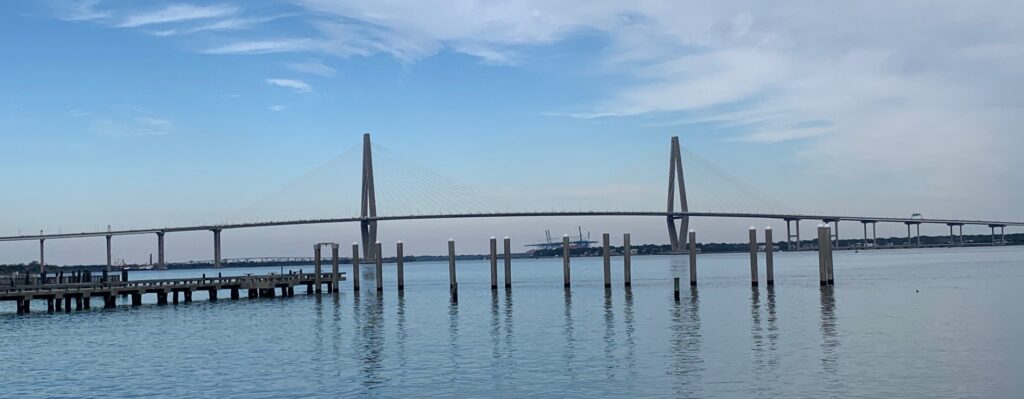
Once we passed the cruise-ship terminal, the charm of Charleston was obvious. A central marketplace spanning several city blocks has stalls selling trinkets, tea, Carolina rice, pricey leather goods and locally made and surprisingly expensive baskets – I chose a dinner-plate sized basket and promptly put it down after seeing the $250 price tag.
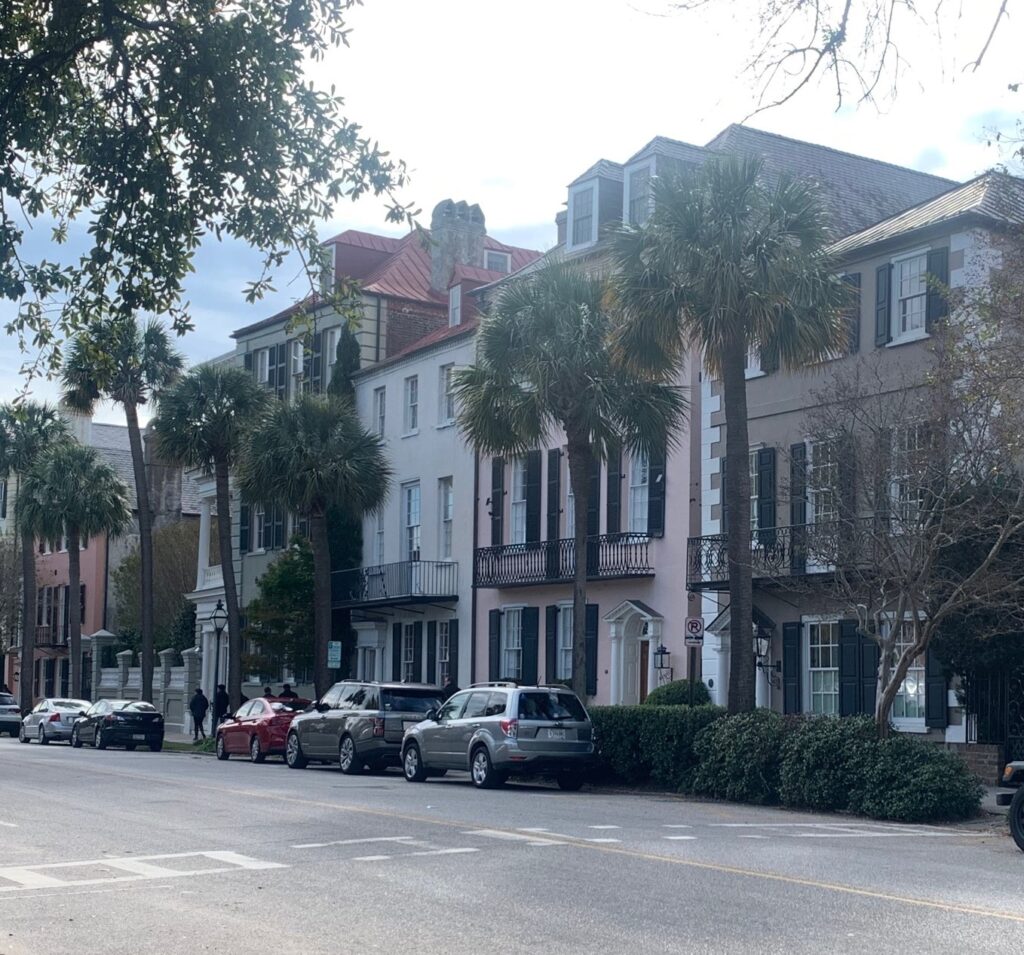
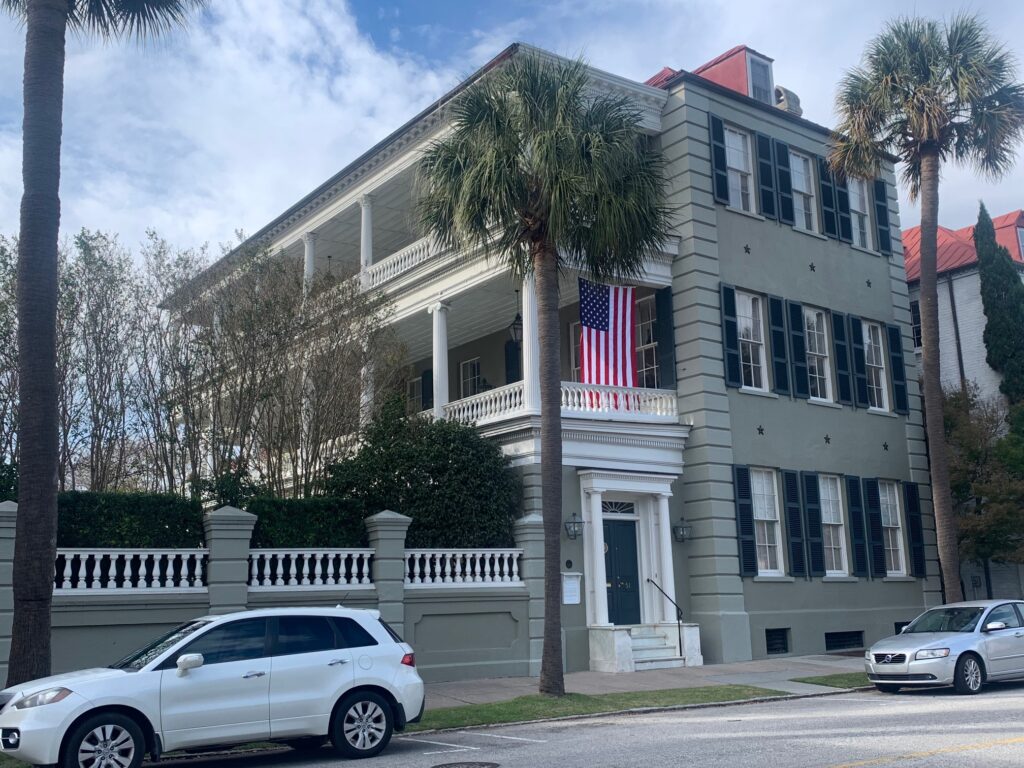
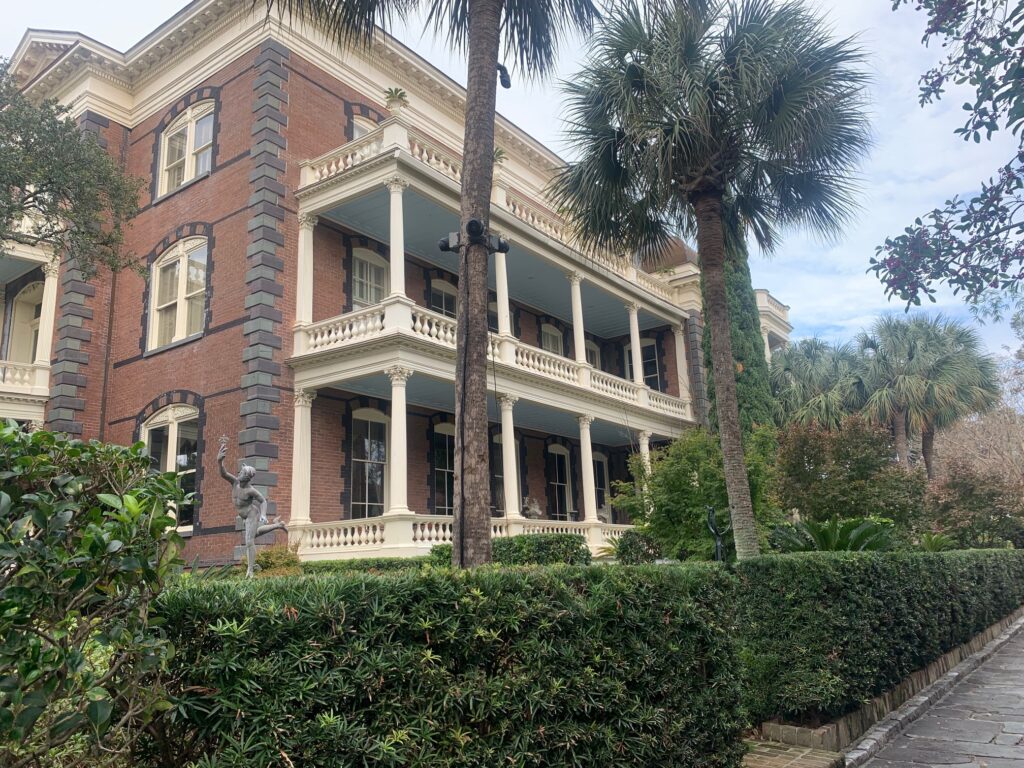
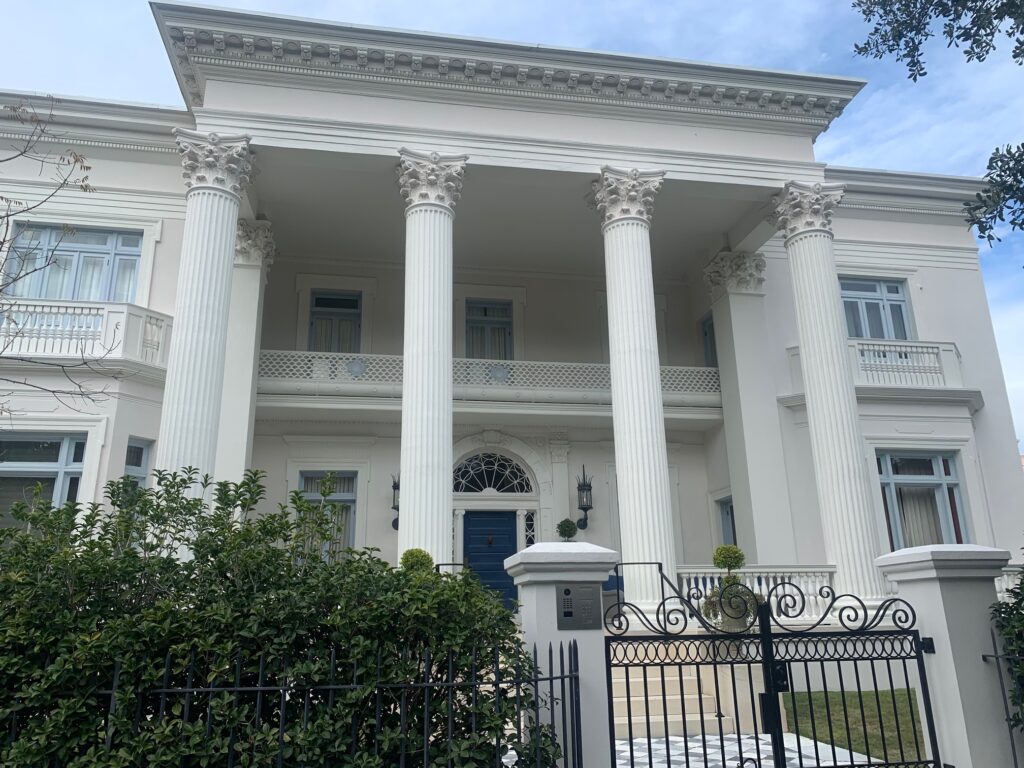
Surrounding the market are independent restaurants offering local specialties and small shops selling the work of local artisans. Two things stood out for me: old, elegant architecture beautifully preserved and the lack of chain-stores – no Dunkin Donuts, no Walgreens, not even a Starbucks in the historic core. We were there the week before Thanksgiving and Christmas lights and decorations were starting to go up, tempting us to stay up past bedtime to enjoy evening walks through the Charleston’s streets and neighbourhoods.
Charleston is well known for more than just its architectural beauty. Fort Sumpter, just a inside the harbour, was built to protect Charleston from the British during the War of 1812 and was federal property belonging to the Union (North). South Carolina was the first state to secede from the Union, and on April 12, 1861, the American Civil War began with the Battle of Fort Sumpter as the South Carolina Militia attacked the fort. One day later, the Union surrendered and removed their flag as fort commander Major Paul Anderson and his soldiers left the fort. The war raged on for four more years, leaving thousands dead, but as we all know, ended with victory for the Union. On April 14, 1865, the retired (and promoted) General Paul Anderson returned to the ruins of Fort Sumpter, to raise the very same flag he removed four years earlier. That flag was preserved and is on display in the fort’s museum.
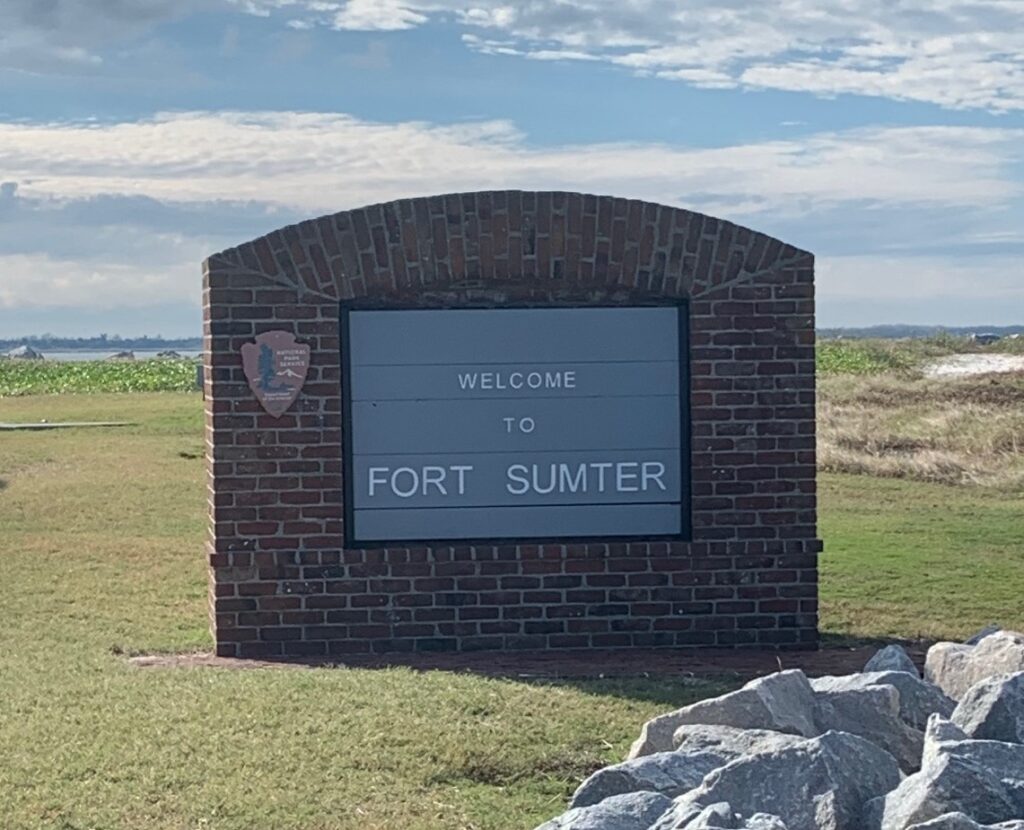
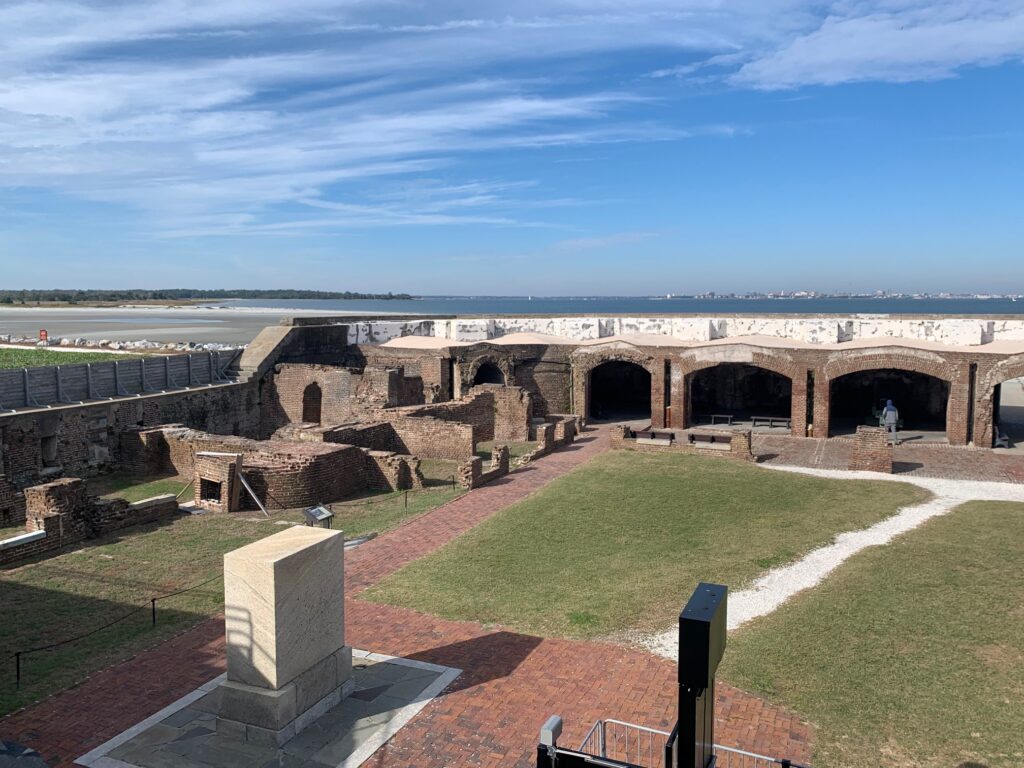
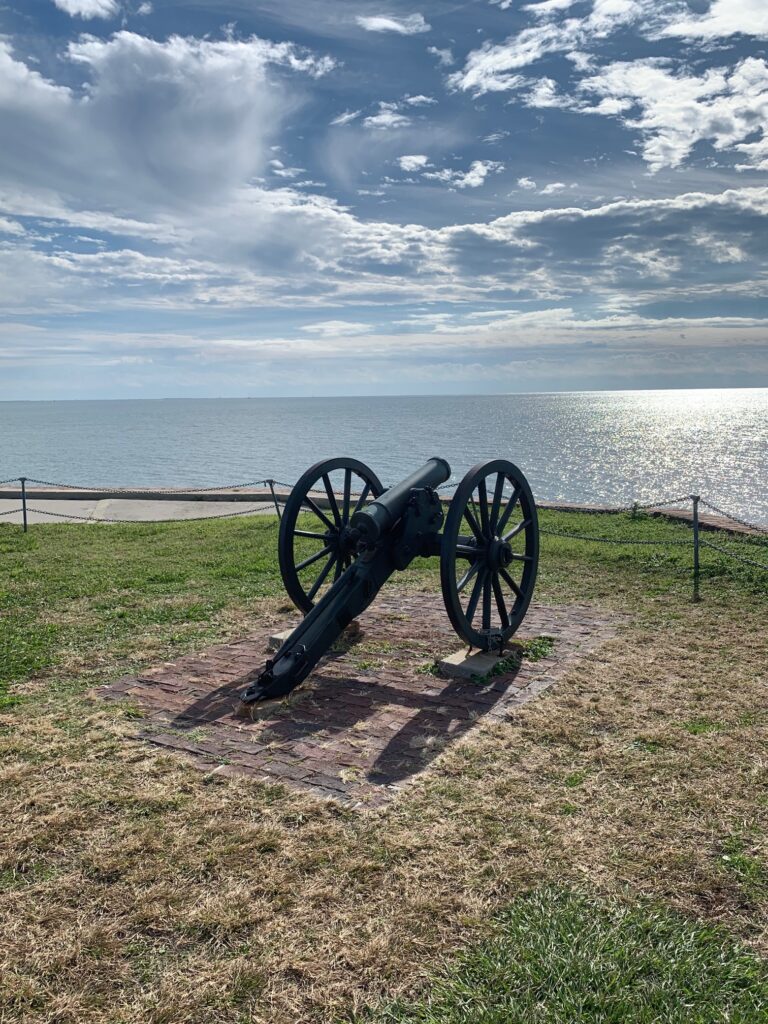
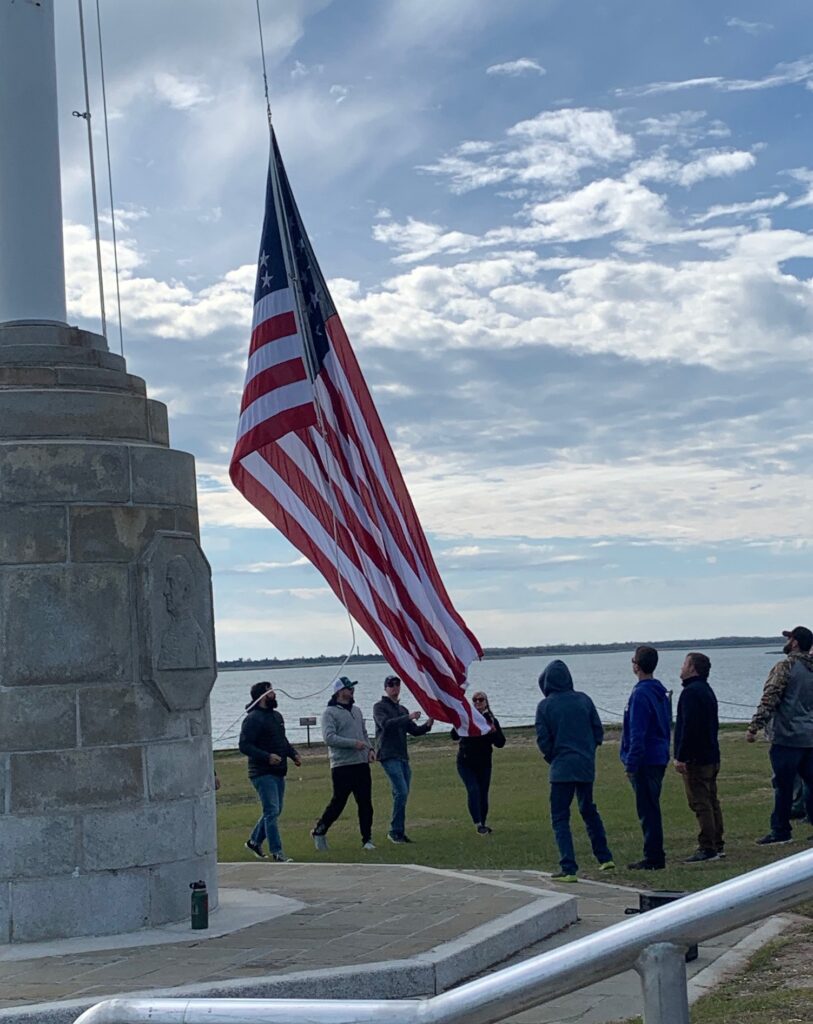
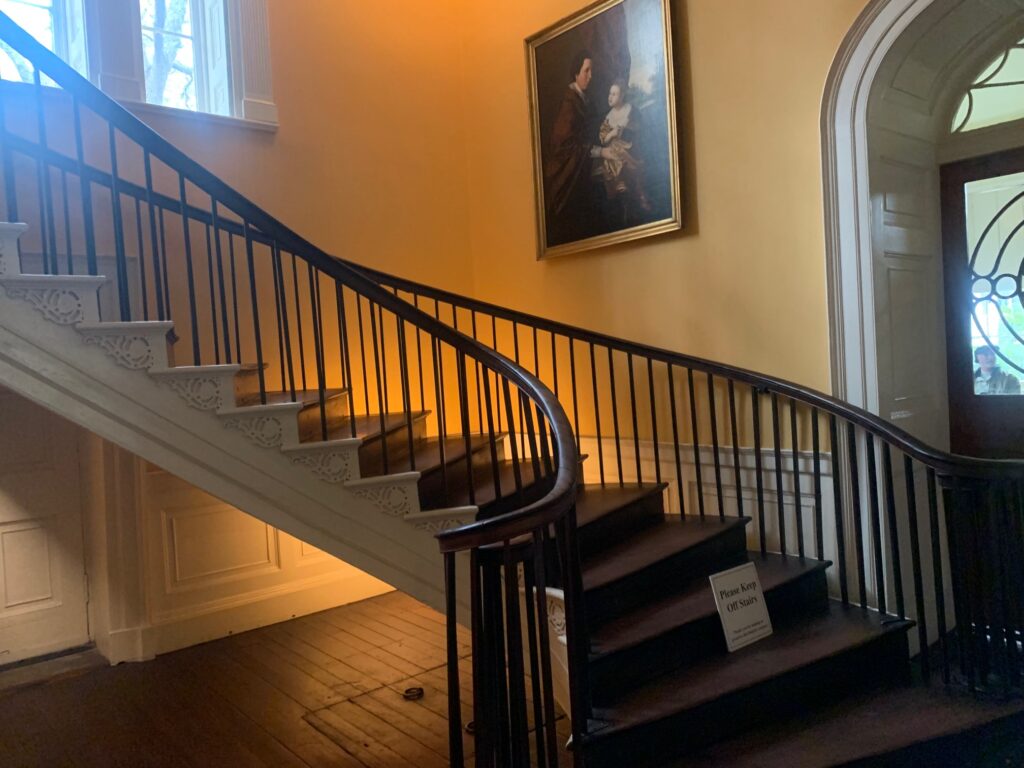
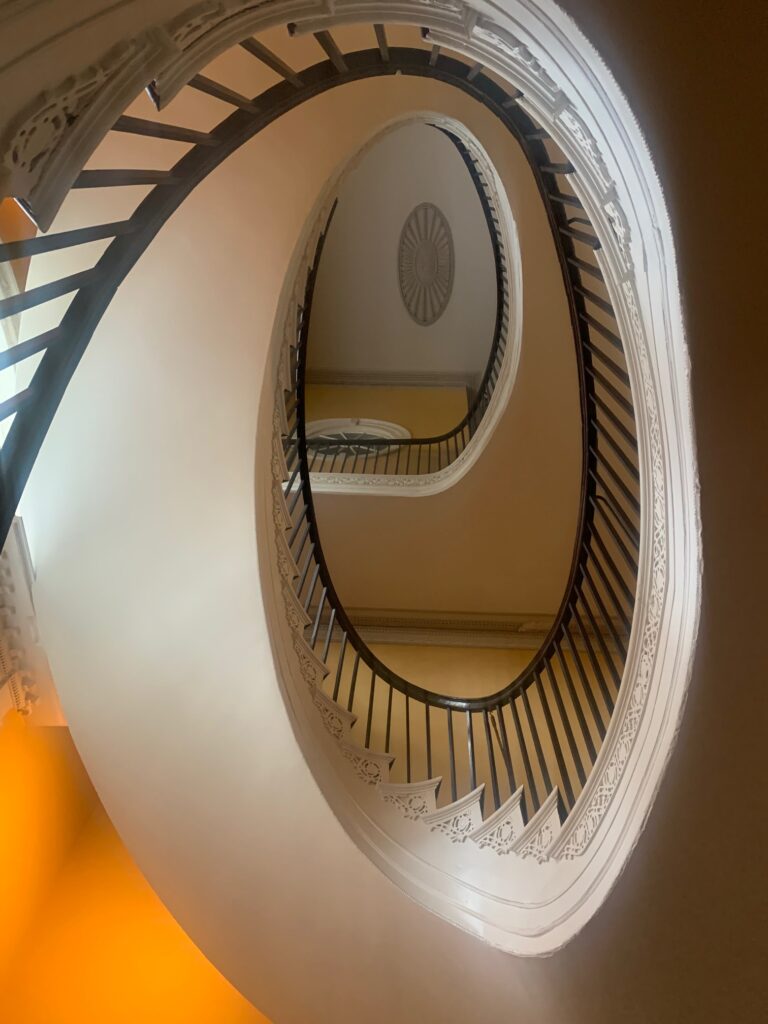
South Carolina and Charleston also have very dark history steeped in slavery. Charleston served as a hub for plantation business and the slave trade The staggering wealth of plantation owners is on display throughout the city with their lavish city homes, most preserved and some open for tours, as well as in the plantations themselves just outside the city. We toured the home belonging to Nathaniel Russell, a merchant and slave trader and owner of 18 enslaved people. The house was magnificent, built and decorated with one primary goal – to show off their wealth. Building was completed in 1809 – it has 24 carat gold wallpaper, mahogany doors and a spiraled 3-story freestanding staircase, supported only at the top and bottom. The house tour also took us through the living quarters of the enslaved people, a sobering contrast to how Nathaniel and his family lived.
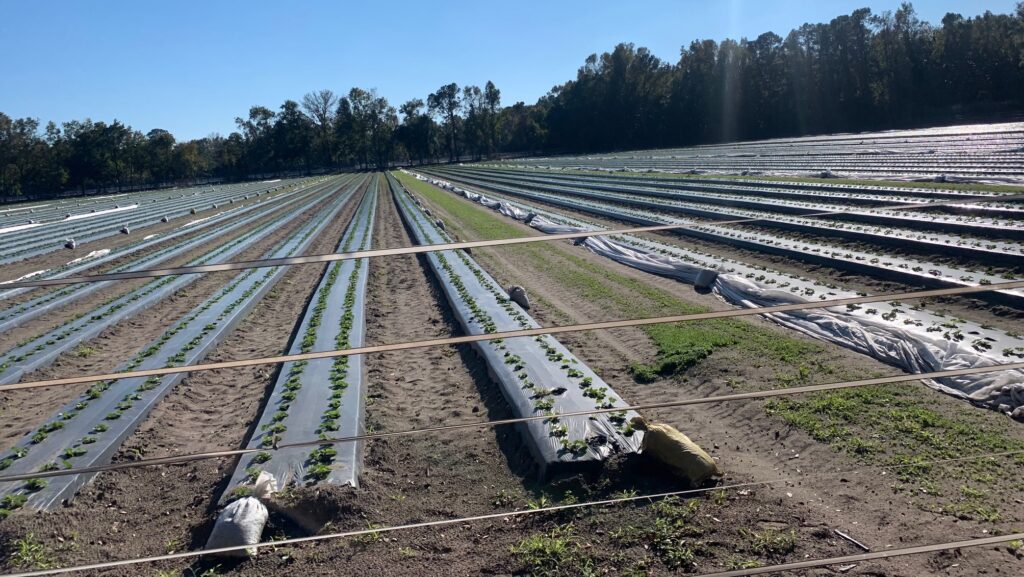
We rounded out our Charleston stop with a trip to the Boone Hall Plantation, now just a 30-minute Uber ride from downtown, but in its heyday, a several day journey through rivers and swamps. Boone Hall, one of America’s oldest plantations, has been in continuous operation for over 320 years, with its current biggest cash crop being “pick-your-own” strawberries. The planation is open for tours of its gardens, fields and manor house and is a fascinating walk-through history. In addition to tours, Boone Farm is available to rent for movie and TV production (North & South, The Notebook, just two movies filmed there) as well as private events. We saw two weddings while we were there, and with a minimum of $25,000 just to reserve space, you too can join the more than a year waiting list.
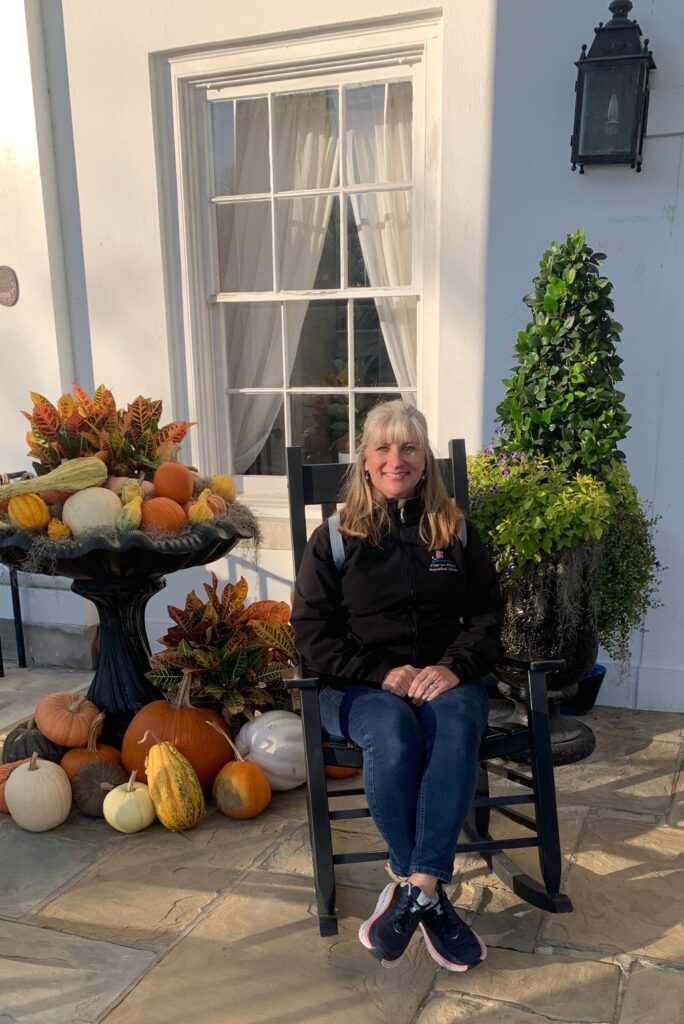
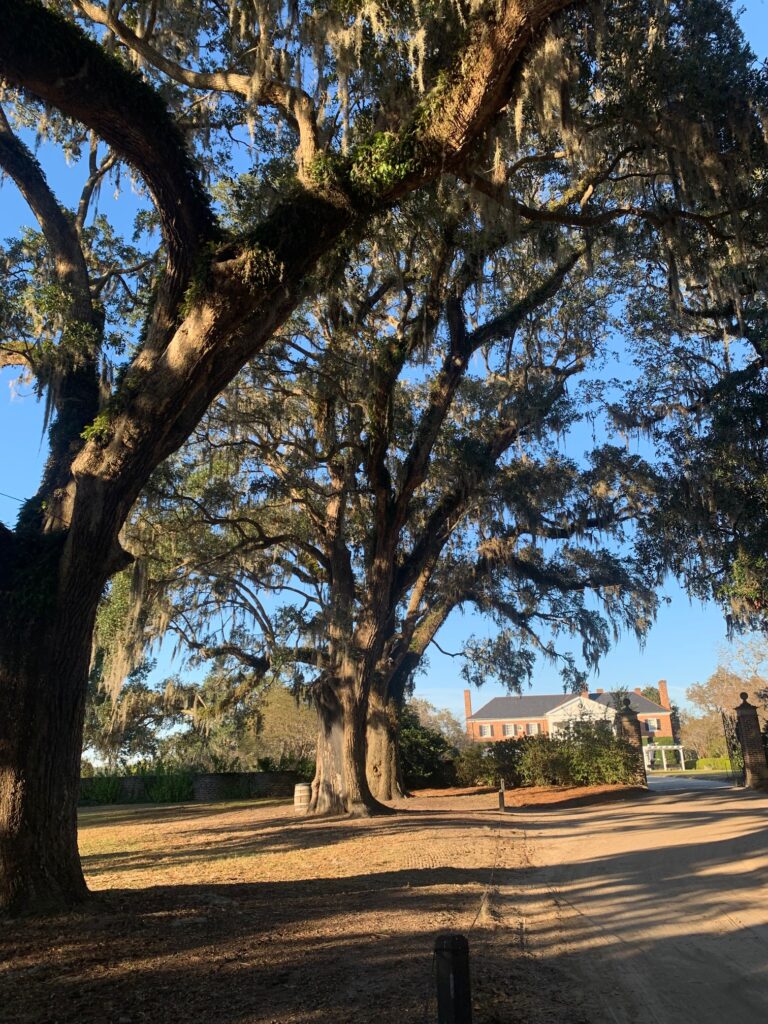
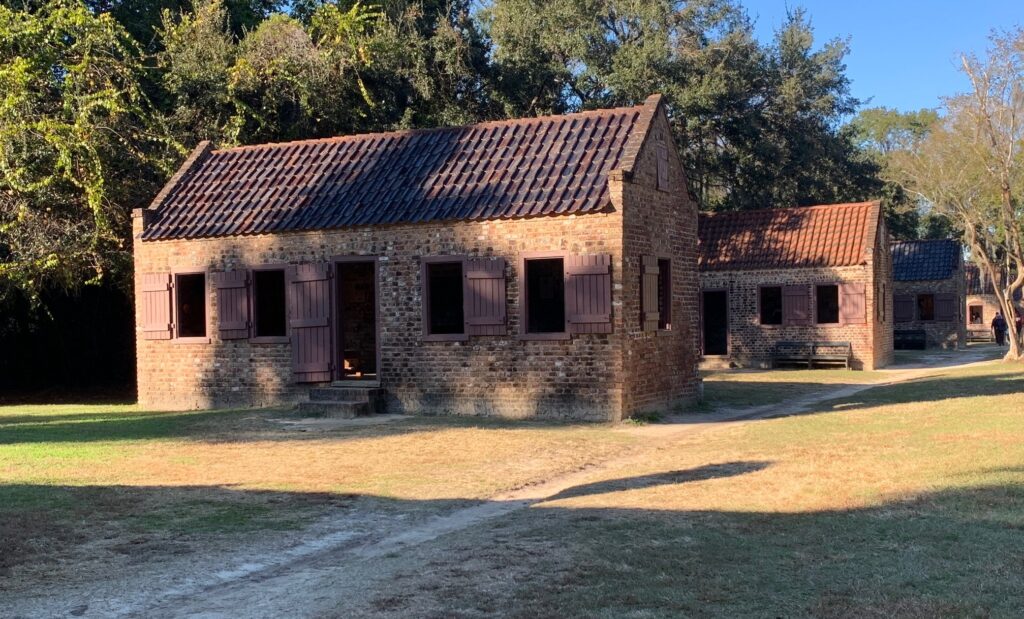
Boone Hall’s original owners were in the brick and cotton businesses and at its peak had almost 300 enslaved people living and working there. What is unique about this plantation are nine perfectly preserved cabins, built by enslaved people with castoff bricks. Each cabin is a mini museum, showing slave life on a plantation, from living space to the worship house. It was chilling and fascinating at the same time, displaying an appalling period in our country’s history, yet seeing how the enslaved people prospered with what little they had.
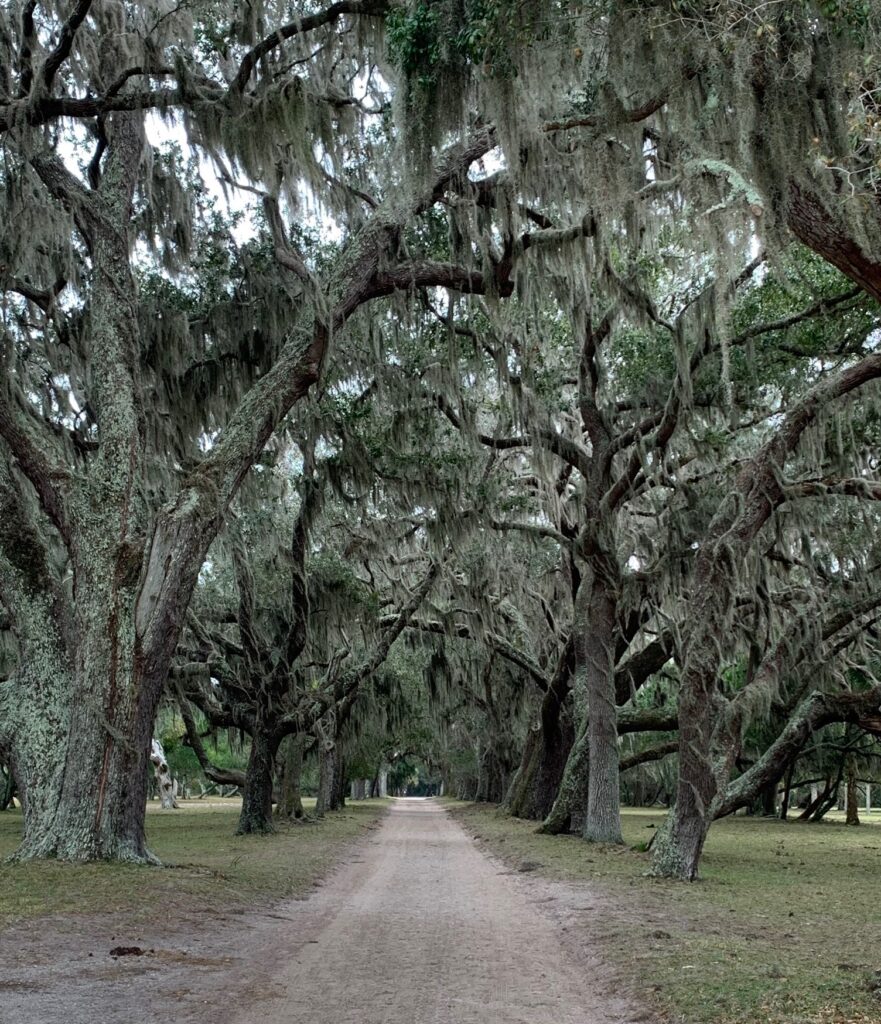
plantation manor has been used
in many films
Georgia was next after Charleston, and a dreaded part of the ICW. This stretch is notorious for big tides and shallow passages, so we decided to skip the ICW and take the outside route to Florida. We waited for the weather window and embarked on another overnight trip into the Atlantic.
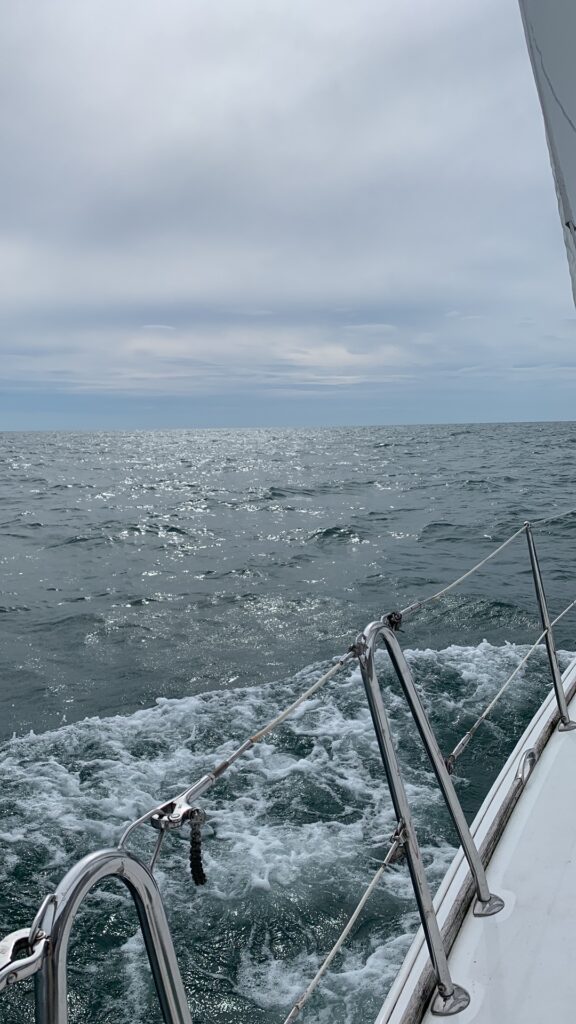
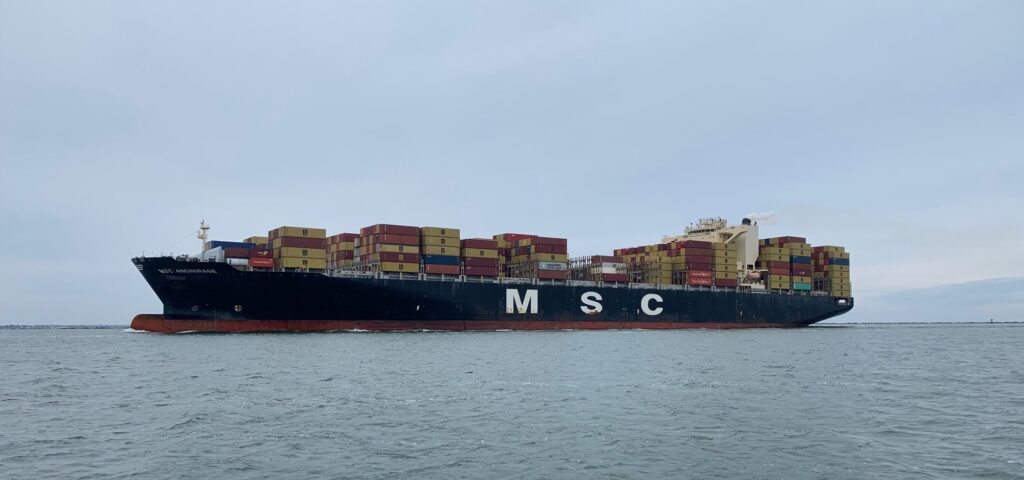
Sometimes you don’t always get what you want, but you need to take what you get. On the positive side, this passage had no storms and steady winds coming from behind; however, we also had big seas, at least 10-foot swells, making the journey lumpy and uncomfortable and little scary if you dare look out at the swells towering higher than the boat. All 3 of us resorted to taking sea-sick meds (a very rare thing for the 2 humans), and after 26 miserable hours, we arrived at the Georgia/Florida border exhausted, but unscathed. We took a right turn into Georgia, dropped anchor in front of Cumberland Island, and had a good long sleep.
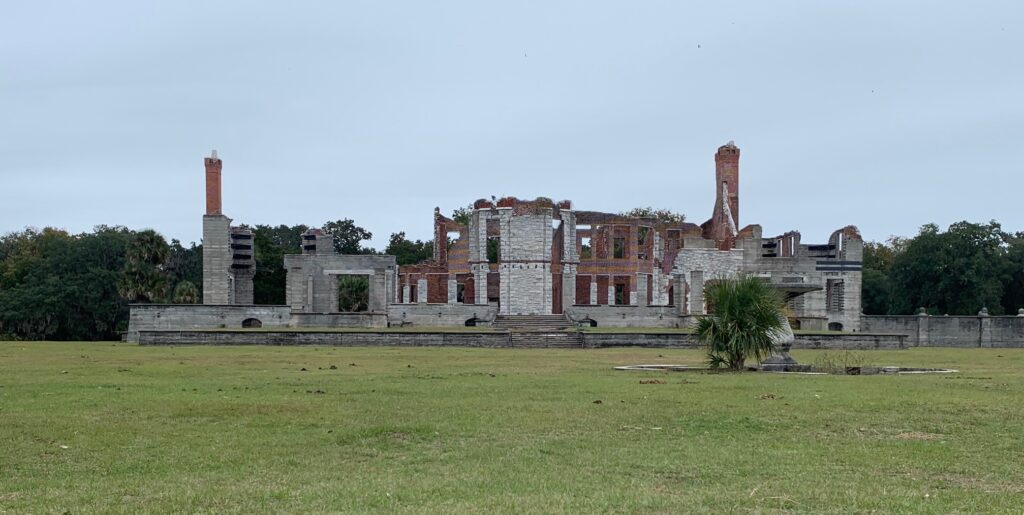
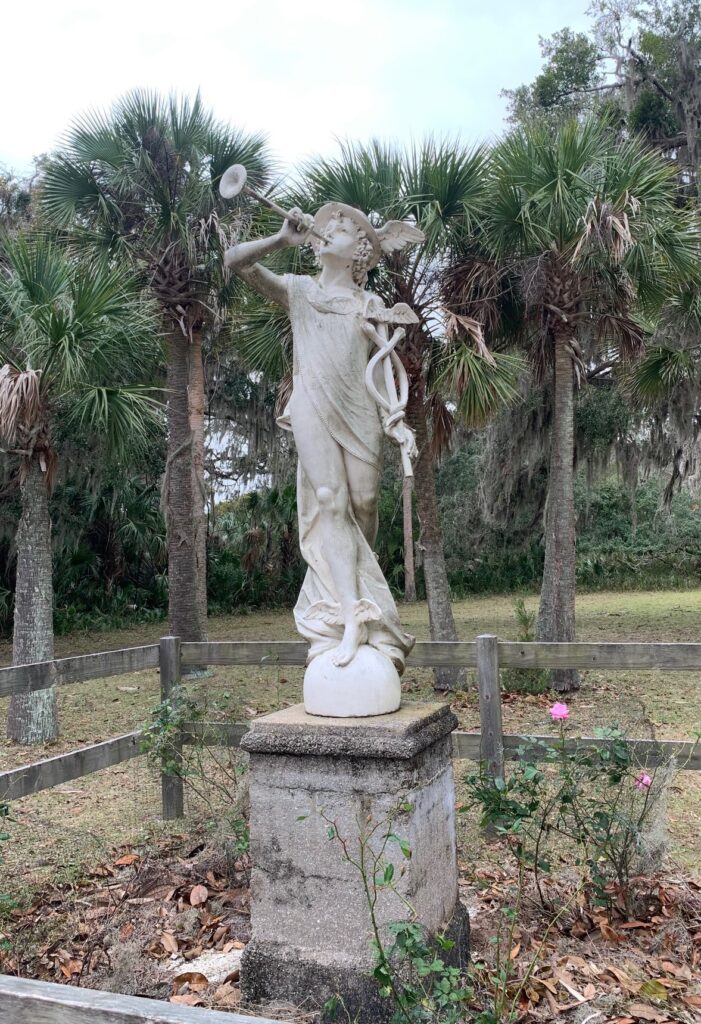
After recovering from our overnight journey, it was time to explore Cumberland Island. Cumberland Island/National Seashore is owned and managed by the National Park Service, but at one time had several plantations, including one owned by Thomas Carnegie (brother of Andrew). Dungeness, a 59-room mansion, was occupied by the Carnegie family until 1925 and then destroyed by fire in 1959. The ruins of the mansion are roped off, but the grounds and remains many of the other buildings on the property are open to the public.
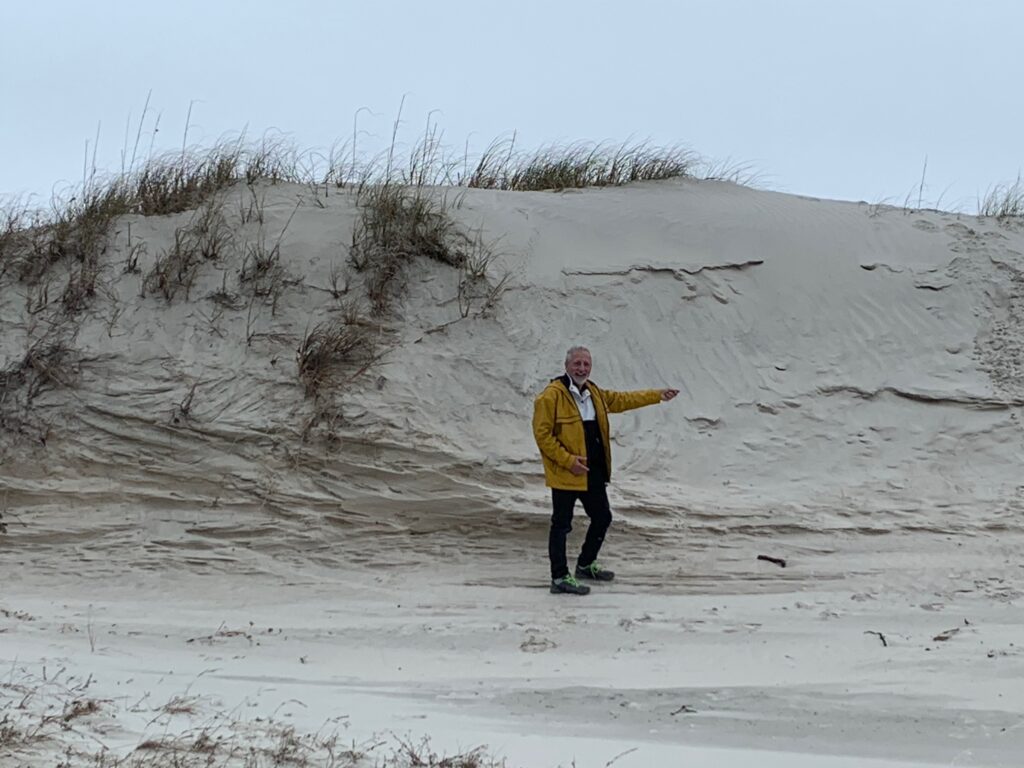
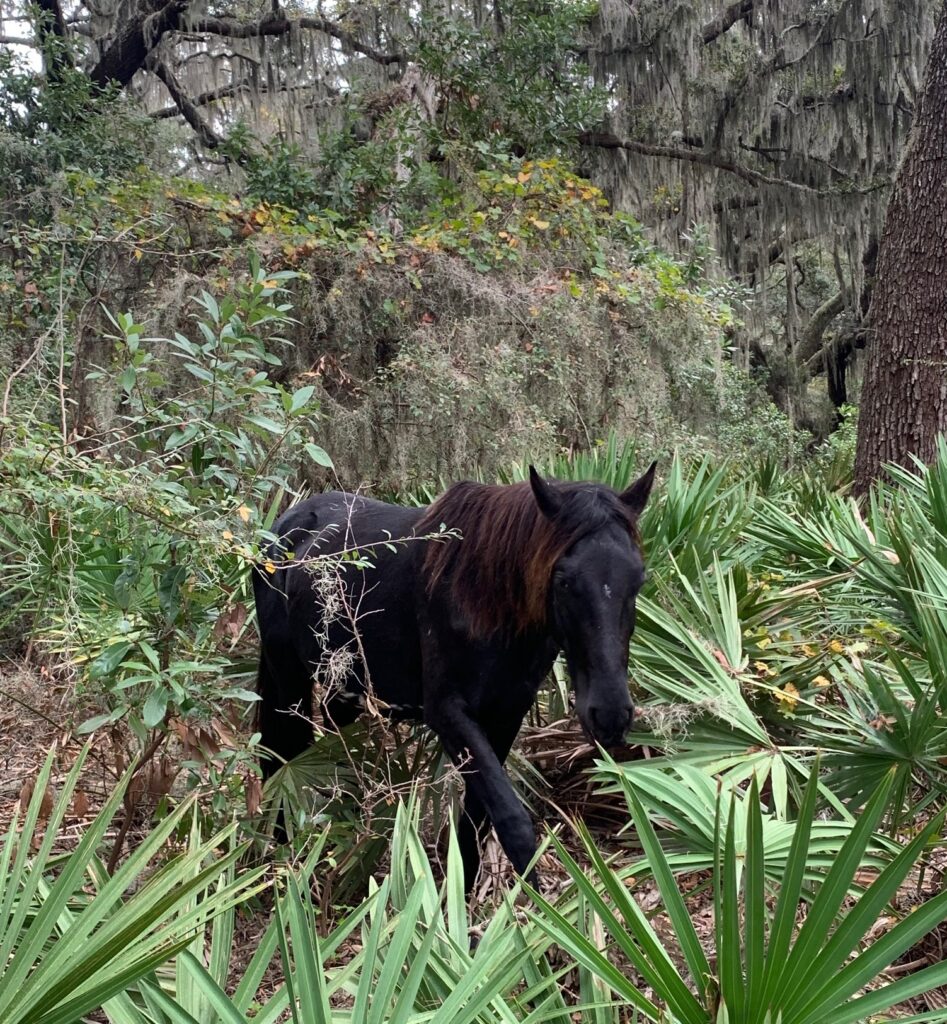
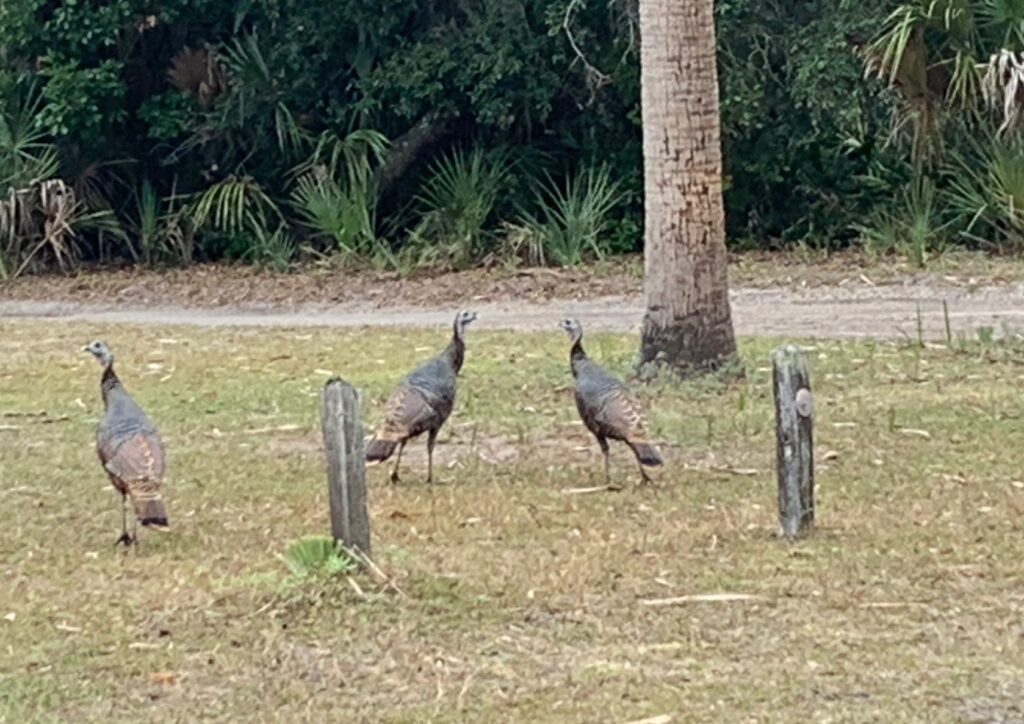
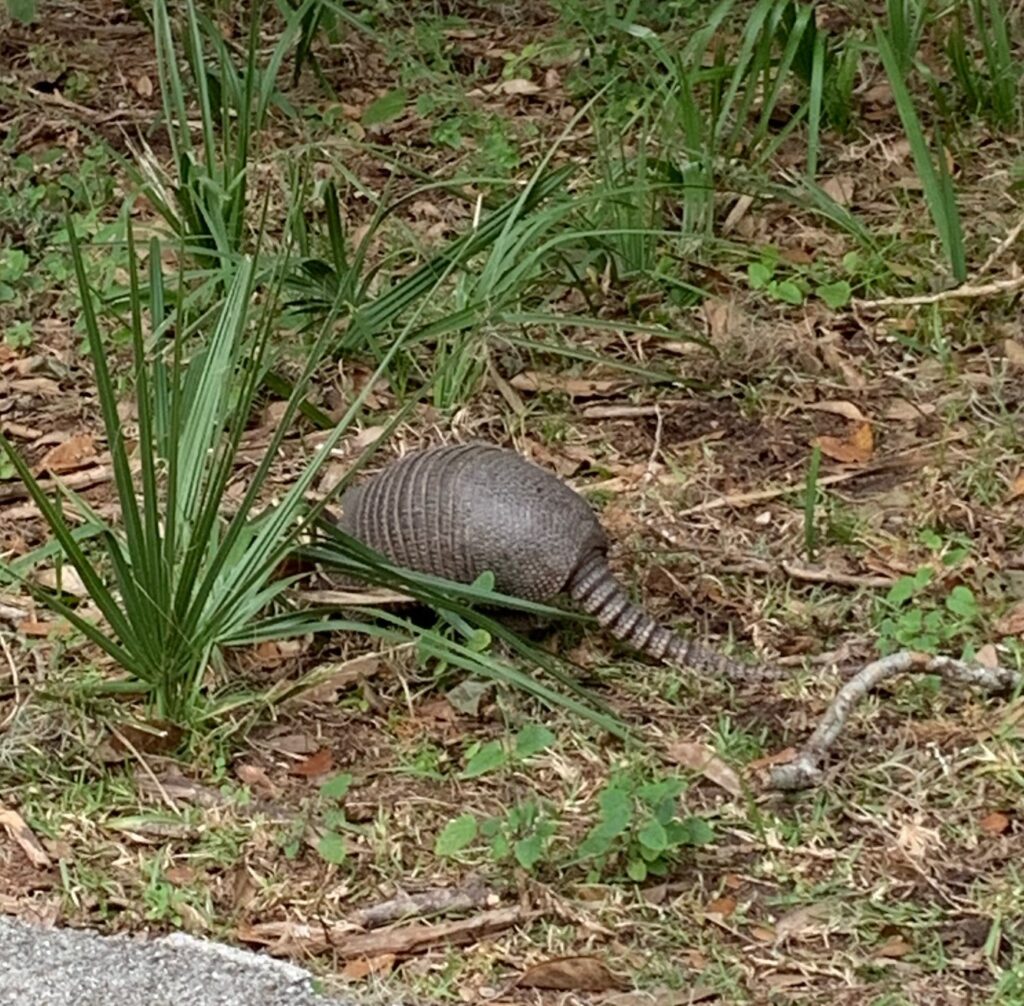
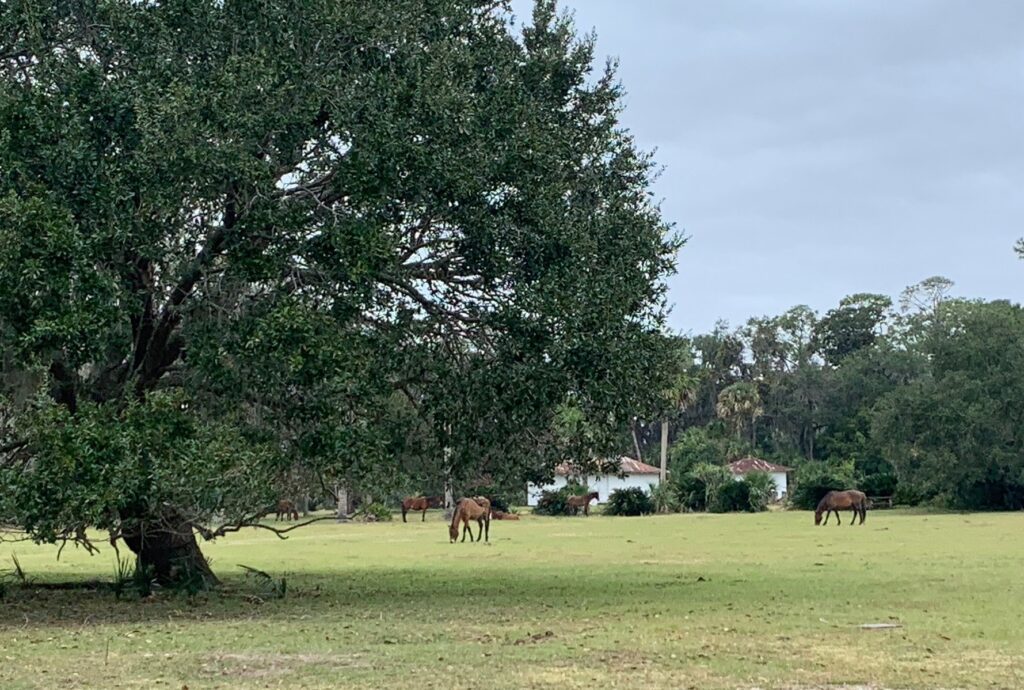
The best part of Cumberland is the wildlife, including feral horses. It’s estimated about 150 feral horses live on the island. We spotted a couple dozen horses and one even walked out onto the trail we were hiking, just a few feet in front of us. It’s prohibited to approach or engage with the wildlife, so we just waited for him to move on. Cumberland is home to many other creatures, and we met several wild turkeys and an armadillo.
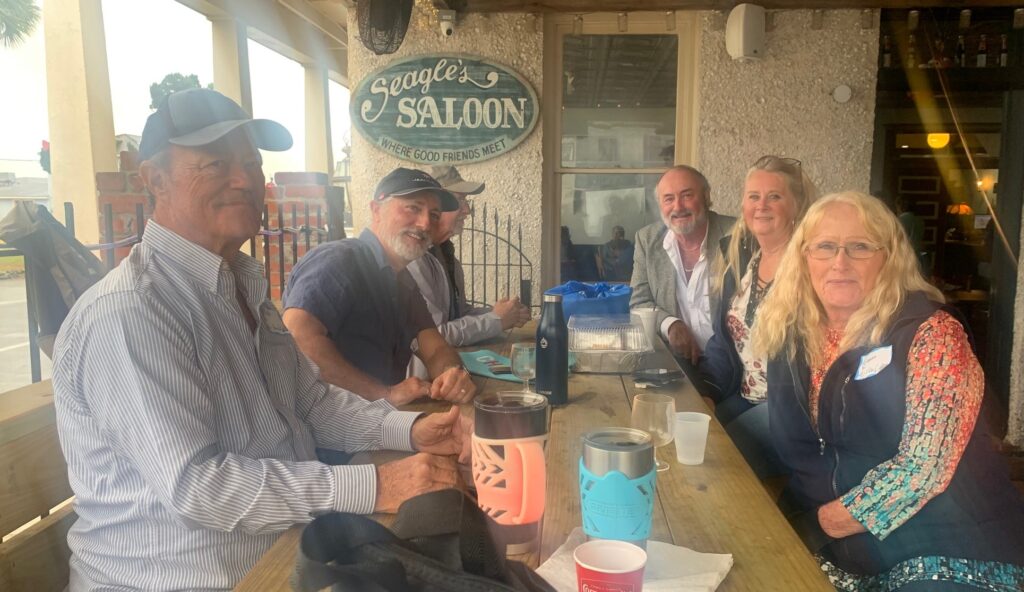
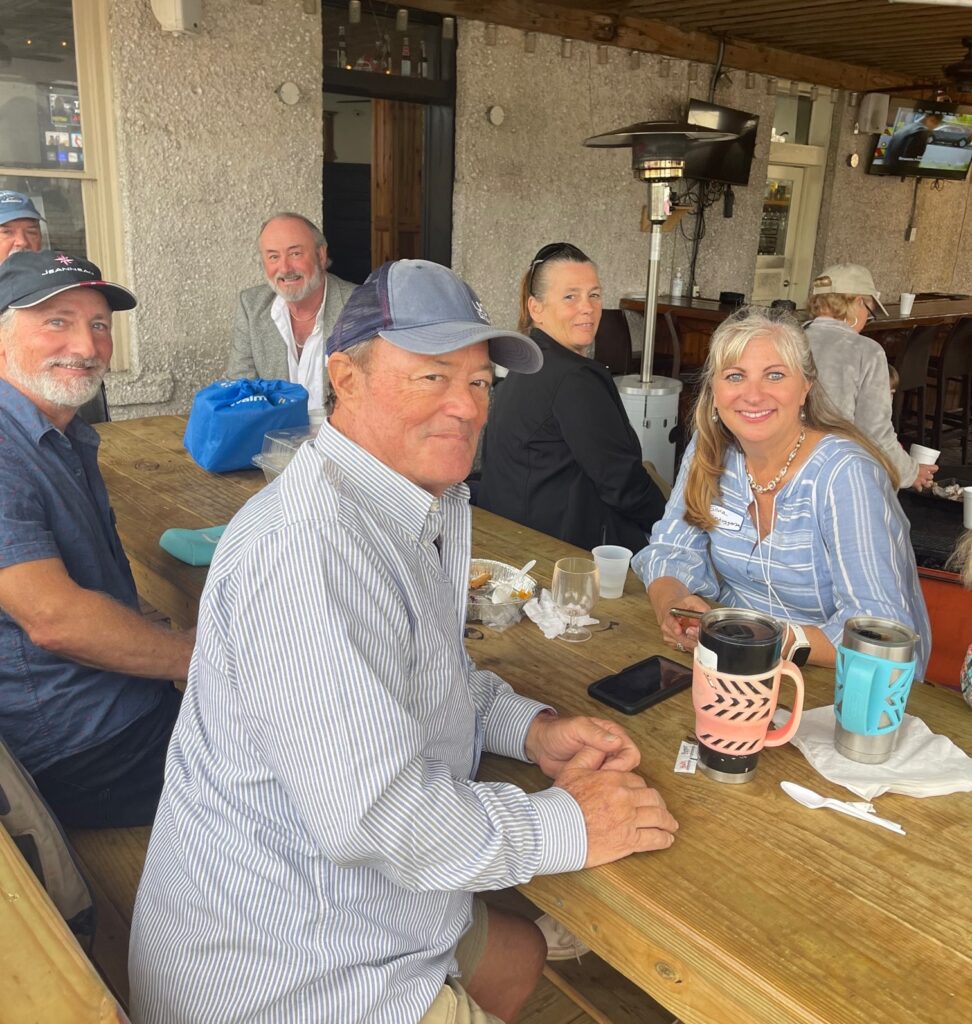
Thanksgiving was a day away and lucky for us we were just around the corner from one of the largest and best Cruisers’ Thanksgiving celebrations on the ICW. For years the residents of St. Mary’s, Georgia have been inviting cruising boats and their crew to come to their town and enjoy Thanksgiving dinner in the company of their hosts and other cruisers. Dinner is provided by the hosts and at a local restaurant, and celebrations go on all week. The atmosphere is lively and sociable, with daily events like Oyster Night and pancake breakfast, bringing together boaters sharing their journey. We enjoyed the holiday and comradery and made several new friends making the same journey south.
So interesting! And so well written. Thanks again for sharing your stories.
Thanks Nancy! I’m happy you are enjoying following our adventures.
Enjoying your travel blog. Brings back memories of Charleston and its stately charm. At Charleston we were camping on Tybee Island and a week after we left it was almost wiped off the map by Hurricane Bob.
Enjoy the warm weather. You earned it.
Anne and Gary Oliver
ABYC
Thank you! I’m glad you are enjoying following our adventures.